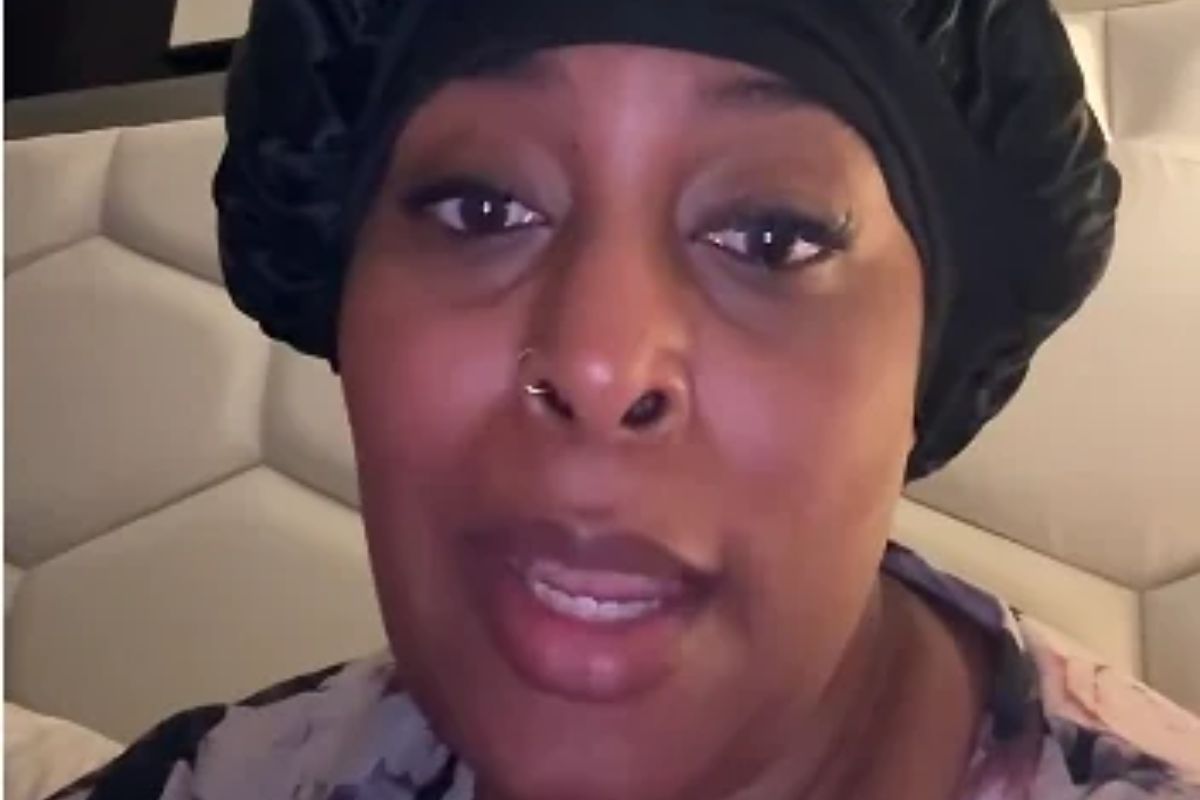
A mother of three girls is questioning what falling birth rates may mean for American schools. In a TikTok video, the woman behind @fashionablenerd connects school closures and shrinking enrollments to young women who seem less interested in marriage and motherhood.
She describes daughters and family friends in their late teens and twenties who talk about careers, business plans and financial independence. Dating, she says, has been frustrating for several of them. Their plans do not revolve around finding husbands or having children, a shift she sees as a break from the family arrangements older women around her once accepted.
Her observations are personal, but the demographic trend is measurable. Birth rates have fallen among younger Americans, and public-school enrollment has declined from its pre-pandemic level. The reasons behind an individual district’s enrollment losses, however, require a closer look.
Public schools are already feeling the enrollment squeeze
The National Center for Education Statistics recorded 49.39 million students in U.S. public elementary and secondary schools in fall 2024, down from 50.80 million in fall 2019. That is about 1.4 million fewer students, a 2.8% decline. The agency’s latest public-school enrollment table details the changes by state and jurisdiction.
Fewer students can leave districts paying to maintain buildings, buses and staff while serving smaller classes. As enrollment falls, the cost of operating each school can become harder to justify, particularly where several campuses are underused. Consolidation and school closures may then enter budget discussions.
The national total also hides sharp local differences. A district losing families faces a different situation from a fast-growing community adding students. The federal figure confirms a broad decline; it does not establish why a particular school is closing.
Birth data show fewer births among younger women
The latest national figures give part of the mother’s theory support. The National Center for Health Statistics recorded 3,612,012 U.S. births in 2025, slightly below the 3,628,934 births in 2024. The general fertility rate fell from 53.8 to 53.2 births per 1,000 females ages 15 to 44, according to the agency’s 2025 birth report.
Age-specific figures make the shift clearer. Between 2024 and 2025, birth rates fell 7% among teenagers ages 15 to 19, 6% among women ages 20 to 24, and 4% among women ages 25 to 29. Rates rose among women ages 30 to 44, suggesting that some childbearing is happening later.
A smaller number of births can eventually mean smaller kindergarten classes, followed by thinner elementary-school cohorts. The effect takes years to move through the education system. It also varies by place, so national birth figures cannot explain every closure decision.
For some young adults, parenthood is no longer the default

The mother believes younger women have stronger boundaries around relationships. She recalls older generations tolerating infidelity and men maintaining relationships and children with multiple women, and argues that the young women she knows are unwilling to accept similar arrangements.
Her account reflects the women in her circle, while a Pew Research Center survey offers a wider view of the choices some Americans are making. In 2024, Pew surveyed 770 adults ages 18 to 49 who had no children and said they were not too or not at all likely to have them. Among this group, 57% said not wanting children was a major reason; 44% wanted to focus on other things, including careers or interests; and 36% cited the cost of raising a child. The Pew report found that 24% cited not having found the right partner.
The gender gap was notable: 64% of women in the group said they did not want children, compared with 50% of men. The findings do not describe all young women, and they do not prove that poor dating experiences are causing lower fertility. They do show that parenthood is no longer an automatic goal for many adults who already expect to remain child-free.
Fewer students do not automatically mean immediate closures
Falling birth rates are one factor districts have to consider, but enrollment totals alone cannot identify the cause of a local decline. Families moving between districts and choosing private, charter or home-based education can also change the number of children enrolled in a particular public system.
A November 2026 Stanford analysis by Thomas S. Dee and Jaymes Pyne found that average enrollment per public school fell by about 18 students, or 3%, after the pandemic. Yet more than 80% of districts operated the same number of schools in 2024 as in 2019. One in four schools had at least 15% fewer students than before the pandemic, according to the Stanford research summary.
The gap matters because school closures involve more than student counts. A building with fewer pupils may still anchor a neighborhood and serve families who rely on nearby classrooms. District leaders must weigh those community effects against the financial pressure of maintaining underused facilities.
A generation is making its own calculations
The mother sees the young women around her building lives around work, education and independence, without treating marriage or children as required milestones. National survey findings suggest that her observations fit a broader change among some younger adults, although the reasons vary and not every young woman shares the same priorities.
Fewer births can eventually mean fewer students entering schools, putting pressure on districts built for larger cohorts. Young women, however, are not responsible for sustaining school populations through motherhood. The more useful question for school leaders is how to adapt to changing enrollment while preserving the services families still need.
Her video has placed two issues side by side: a public-school system adjusting to fewer students and a generation reassessing the timing, cost and value of parenthood. The trends intersect, but neither can be explained by one decision or one group of women.