A restaurant-goer who trims the tip when service falls short got a firm answer from etiquette columnist Miss Manners this week. In a column published Nov. 23, 2026, she said diners should stop thinking of a tip as a reward or a punishment, and that even a server who hovers, interrupts and grabs plates too early should still receive the expected minimum.
The question, and the pushback it drew from Miss Manners, lands just as holiday dining-out season ramps up and tipping debates heat up at tables across the country.

The Diner’s Case for Trimming the Tip
According to the column as published by the Anchorage Daily News, the letter writer asked Miss Manners for her opinion about withholding part of a gratuity for poor service.
The writer compared tipping to a workplace promotion. An employee who wants a raise, the reader argued, has to show competence and motivation, and a server who does not perform to a certain level should not be rewarded for a lack of effort. The reader drew one line, saying a long wait for food is a kitchen problem and should not count against the server. The letter also argued that employers should be required to pay a living wage rather than just the minimum wage.
It is a familiar argument, and reading the room at a restaurant is a skill of its own, as lists of restaurant red flags and dining-out blunders make clear.
Miss Manners: A Tip Is Not a Reward or a Punishment
Miss Manners agreed with the reader on the wage point, then turned the argument around. Everyone, she wrote, “should stop thinking of a tip as a reward or, if withheld, a punishment.” The diner’s own wages, she noted, are not reduced on a bad day at work or after dealing with unhappy clients.
Instead, she said, indignation belongs with the system that keeps menu prices down by making part of the staff’s pay voluntary for customers. She pointed out that paying the menu price plus a tip comes to the same thing as paying a higher price with no tip, and she criticized the idea that customers might be pleased to be able to stiff the workers.
The custom itself puzzles plenty of visitors. American-style tipping is a staple on lists of odd American traditions that confuse the rest of the world, and the Wikipedia overview of gratuities notes that, under U.S. Department of Labor rules, tipped employees can be paid $2.13 an hour in direct wages as long as tips bring them up to the federal minimum wage.
Holiday season adds its own tipping questions beyond the dinner table, from household help to service workers, covered in this guide to holiday tips for housekeepers, nannies and dog walkers.
Even the Plate-Grabbing Waiter Gets the Minimum
Miss Manners said she had no problem with the reader’s practice if it meant leaving a basic tip for any service and adding a bonus when pleased. But she drew a firm floor under that. Even the waiter who “interrupts the patrons’ conversation, leans over everyone to serve, and grabs plates before everyone has finished eating should receive the expected minimum,” she wrote.
Diners who are unhappy still have another option. Miss Manners told the reader that complaining about poor service is fair game, though it would be only fair to take the circumstances into account. Clearing plates while others are still eating is a common gripe, and habits around plates come up in other ways too, such as the diners who stack their own plates at restaurants.

What the Expected Minimum Looks Like
Miss Manners did not name a percentage in this column. For a benchmark, the Emily Post Institute’s tipping guide lists 15 to 20 percent of the pre-tax bill for sit-down wait service and 10 percent for buffet service. It lists 15 to 20 percent of the tab, or $1 to $2 per drink, for bartenders, and says there is no obligation to tip for takeout, though 10 percent is suggested for extra service such as curbside delivery or a large order.
Those benchmarks sit against a broader shift. The Wikipedia overview of gratuities notes that since the 2020s, some argue there is a growing expectation for customers to tip more often and at higher rates, driven in part by digital payment screens and changing service-industry norms. That pressure is part of why questions like this reader’s keep landing in advice columns, especially during the holidays, when families book big group dinners and restaurants are at their busiest.
Miss Manners’ answer leaves room for generosity on top of the baseline, but not below it. A diner who is delighted can add a bonus. A diner who is disappointed can complain about the service. Either way, the server still gets the expected minimum.
A Second Letter About the Butter Dish
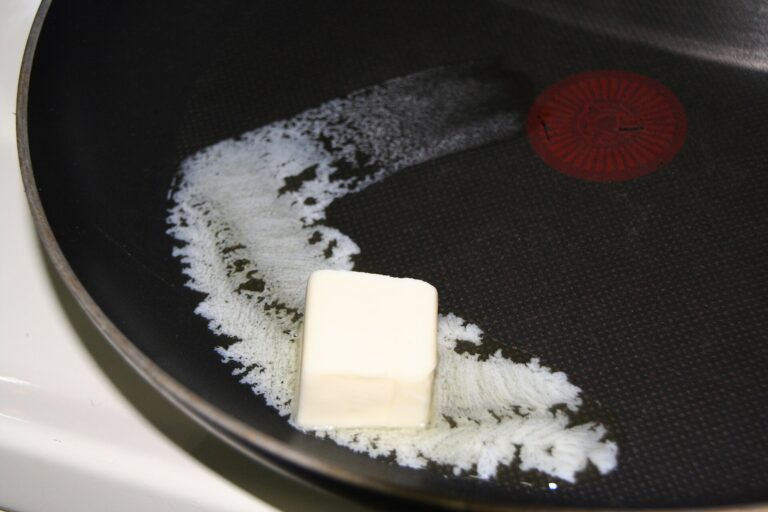
The same Nov. 23 column, also carried by ArcaMax, took on a smaller table question. A reader who received a cut-glass butter dish made for a quarter-pound stick asked whether to unwrap the butter and whether to serve it cold or at room temperature.
Miss Manners answered by naming what is improper: leaving the wax wrapper on so guests cannot cut a piece, and serving butter so hard that it flies off the dish. “Miss Manners does not believe in booby-trapping people who are trying to eat,” she wrote.
Miss Manners is the pen name of Judith Martin, who began writing the advice column in 1978. The column is now written with her children, Nicholas Ivor Martin and Jacobina Martin.
This article was produced with AI assistance and edited for accuracy against the sources linked above.
Image: Shreveport-Bossier Convention and Tourist Bureau – CC BY 2.0/Wikimedia Commons