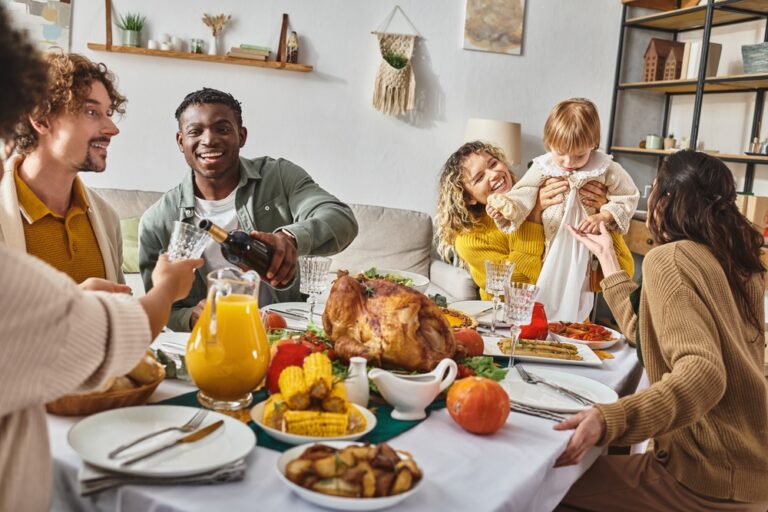
In a lot of families, Thanksgiving has two dishes nobody is allowed to skip: the sweet potatoes with the toasty marshmallow lid and the green bean casserole with the crunchy fried onions. Someone always asks for the recipe, and someone always says it came from Grandma.
The real stories are a bit more commercial. Marshmallow-topped sweet potatoes first showed up in a 1917 cookbook written to sell marshmallows, according to Smithsonian magazine, and green bean casserole was created in 1955 by Dorcas Reilly in Campbell’s test kitchen in Camden, New Jersey. Here is how those 2 company recipes became family heirlooms.

1917: A marshmallow company needed a reason to buy
Sweet potatoes were on American tables long before marshmallows were. Smithsonian magazine notes that sweet potato recipes appear in Amelia Simmons’s American Cookery as early as 1796, and that the oldest candied yam recipe it cites dates to 1889.
Marshmallows were the newcomer. Smithsonian credits Angelus Marshmallows, the company behind Cracker Jack, with bringing mass-made marshmallows to Americans in 1907. A decade later, the company was still trying to get them into everyday home cooking, so it hired Janet McKenzie Hill, founder of the Boston Cooking School Magazine, to develop recipes. Her 1917 booklet included fudge, hot cocoa and the first documented recipe for mashed sweet potatoes topped with marshmallows.
Cracker Jack itself is a story of its own; the caramel corn snack was famously sold with a prize inside, according to Wikipedia’s Cracker Jack history. Sweets like these sit high on lists of foods boomers loved with a passion, and many families can trace their holiday menus back through a few generations, as this look at Thanksgiving milestones before 1900 shows.
How the marshmallow lid stuck around
The idea worked. Fannie Farmer published a glazed sweet potato recipe in 1918, Smithsonian notes, and sweet, candied sweet potatoes settled in as a standard side. Wikipedia’s entry on candied sweet potatoes describes the dish as often served in the United States on Thanksgiving, made with sweet ingredients such as marshmallows, brown sugar, maple syrup or molasses, while a casserole version is often finished with a brown sugar and pecan topping instead.
Marshmallows themselves were a novelty in many homes at the time, which is why a company had to show cooks what to do with them. Recipes in brand booklets, on box tops and on product labels did a lot of that teaching in the early 1900s, and many of those recipes quietly became family standards.
That split still divides tables. Some families swear by the marshmallow layer, toasted until it puffs and browns at the edges. Others prefer pecan streusel and consider marshmallows a dessert in disguise. Debates like that are part of the fun, and they land on plenty of lists of odd American traditions that confuse the rest of the world, where a vegetable topped with candy is hard to explain.
1955: Dorcas Reilly’s ‘Green Bean Bake’
Green bean casserole came almost four decades later. According to Wikipedia’s green bean casserole history, Dorcas Reilly created it in 1955 while working in the home economics department at Campbell’s Soup Company in Camden, New Jersey. The recipe was developed for an Associated Press feature that called for a quick, easy dish built from pantry staples: green beans, Campbell’s cream of mushroom soup and French fried onions. Campbell’s had been making cream of mushroom soup since 1934.
The dish was first printed on soup cans as “Green Bean Bake.” It became a Thanksgiving staple in the 1960s, after Campbell’s put the recipe on its label, which places it squarely in the era of the groovy slang of the swinging ’60s. Convenience cooking was booming then, the same wave that gave households the Swanson TV dinner in 1954.

The woman behind the casserole
Reilly was more than a one-recipe wonder. According to her Wikipedia biography, she was born in 1926 in Woodbury, New Jersey, earned a home economics degree from Drexel University in 1947 and joined the Campbell’s Test Kitchen in 1949 as one of its first full-time employees. She later managed the test kitchen and developed hundreds of recipes, including a tomato soup meatloaf, a tuna-noodle casserole and a sloppy joe-style dish called the “souperburger,” before retiring in 1988.
In November 2002, Reilly donated the original recipe card for green bean casserole to the National Inventors Hall of Fame in Akron, Ohio. She died in 2018 at 92, and she is still remembered as the “Grandmother of the Green Bean Bake.”
How big the 2 casseroles are today
As of 2020, Campbell’s estimated that green bean casserole was served at about 20 million American Thanksgiving dinners each year, according to Wikipedia, and the company said its online recipe was viewed about 4 million times on Thanksgiving Day alone. Campbell’s has also estimated that around 40% of its cream of mushroom soup sales go into some version of the dish.
Neither side dish began in a grandmother’s kitchen. One was a marketing booklet for a candy company, and the other was a quick recipe for a news feature. But a century of holiday dinners turned them into exactly what families say they are: recipes handed down, argued over and always made in the same dish.
For cooks planning this week’s menu, the originals are still simple. The 1955 casserole needs green beans, a can of cream of mushroom soup and fried onions on top. The marshmallow sweet potatoes need little more than mashed sweet potatoes, a bag of marshmallows and a hot oven, just as Janet McKenzie Hill wrote it up in 1917.
This article was produced with AI assistance and edited for accuracy against the sources linked above.
Image: Willis Lam – CC BY-SA 2.0/Wikimedia Commons