A Louisiana man is drawing attention after a TikTok clip in which he says his family excluded him from his grandmother’s funeral. He claims he had already said goodbye to her that morning, then accused a man of abusing his grandmother over a house and pushing her after learning she had left her estate to him.
He also suggests relatives wanted a public spectacle, gesturing toward several Corvettes as he criticizes the display around the funeral. He insists his grandmother loved him first, which he believes explains her decision.
The allegations are serious, and the clip does not prove them. It does not show the will, establish who owns the house, identify the accused man, or provide a police report, court filing, or response from relatives. A viral accusation can expose an issue worth examining, but it cannot settle what happened.
A funeral can become another family battleground
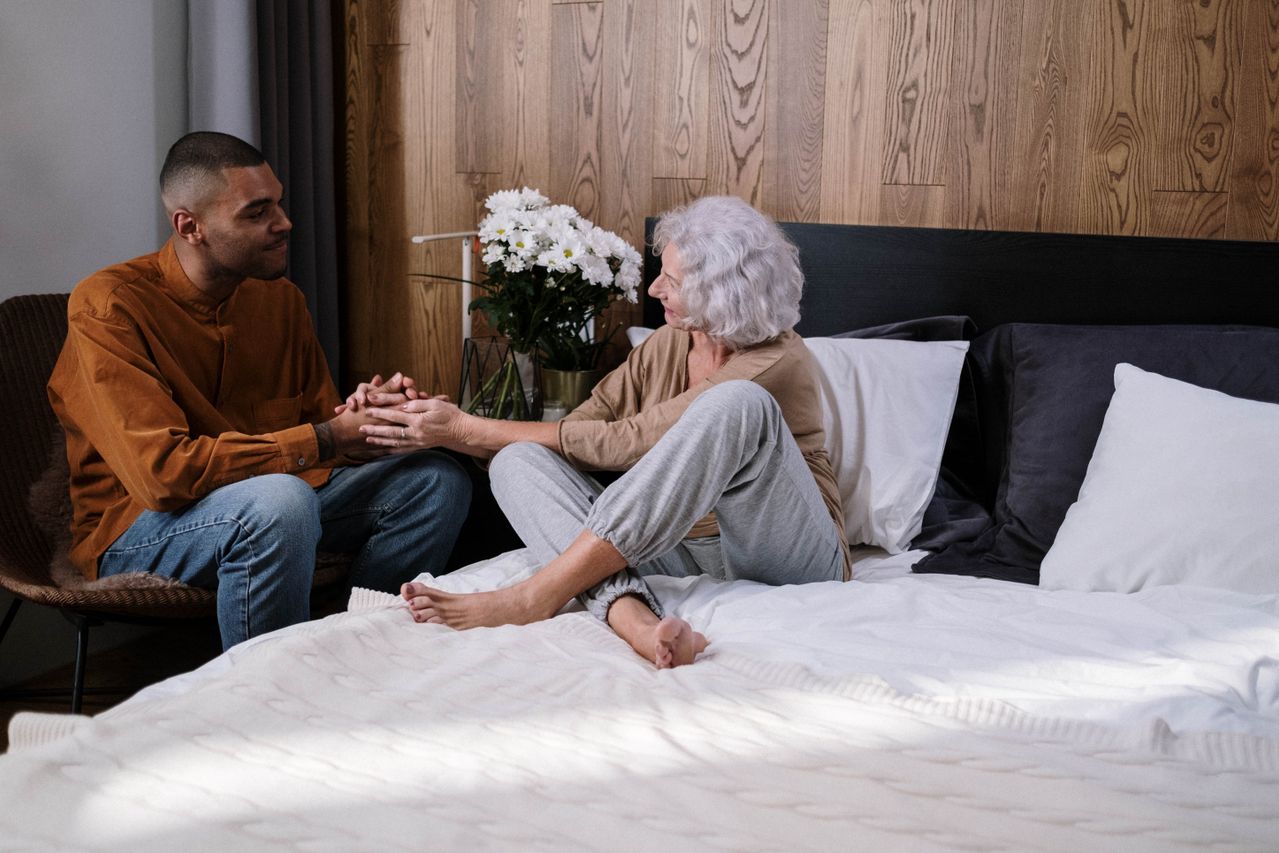
Image Credit: Ron Lach/Pexels
Being left off a funeral guest list can be a brutal form of rejection. Yet funeral access and inheritance rights are separate questions. Exclusion from a service does not decide who inherits, and being named in a will does not automatically give someone control over funeral arrangements.
An uncomfortable family pattern deserves attention: relatives can begin treating an older person’s home as a future family asset long before that person has died. Conversations about who deserves the property and who should receive a share can turn the homeowner into a caretaker of something everyone else has already mentally divided.
A grandparent remains entitled to make decisions about property, relationships, and final wishes. Disappointment does not create ownership, and family history gives relatives no veto over a competent adult’s choices.
The ugly possibility is that an older relative becomes an inheritance container while still alive, then a funeral becomes a public loyalty test after death.
A will matters, but it is not a magic document
Louisiana recognizes handwritten and notarized wills, with different formal requirements. A handwritten, or olographic, testament must be entirely written, dated, and signed by the person making it. A notarial testament must be written, dated, and executed before a notary in the presence of two witnesses, with the required signatures.
A will can also be challenged. Louisiana Civil Code Article 1479 allows a donation made through a will to be declared null if evidence shows undue influence impaired the person’s free choice so severely that someone else’s wishes replaced the donor’s own. A relative being close to the deceased, receiving a large inheritance, or upsetting other heirs does not by itself establish undue influence.
Louisiana has forced-heirship rules, too. They protect certain first-degree descendants who are 23 or younger when the person dies, along with certain adult descendants permanently unable to care for themselves or manage their estates because of mental incapacity or physical infirmity. Grandchildren do not automatically qualify simply because they are grandchildren; representation rules and family circumstances matter.
The house may not pass through the will
A will does not necessarily control every asset.Life insurance, annuities, IRAs, and pension benefits may pass directly to named beneficiaries under account terms rather than through a will. The Louisiana State Bar Association explains that such assets can pass outside the succession process.
That makes the house a key unanswered question. Whose name is on the deed? Was the property transferred before the grandmother died? Does the will cover it? A person can be named in a will and still face a legal process before property is transferred.
Louisiana succession is the process for settling a deceased person’s estate and transferring ownership. Depending on the circumstances, it can involve validating a will, identifying assets and debts, and obtaining documents needed to transfer property. The loudest relative at a funeral does not decide the legal outcome.
Allegations of elder abuse deserve more than online applause
The accusation that someone pushed an older woman over a house is especially serious. The Centers for Disease Control and Prevention says abuse, neglect, and exploitation affect about one in 10 older adults who live at home. Physical abuse can include pushing, while financial exploitation can involve misuse of an older person’s money or property by someone they trust.
The Department of Justice lists sudden changes to wills or financial documents, unexplained property transfers, forged signatures, and pressure to sign over assets among warning signs of financial exploitation. Those signs do not prove abuse in this case. They show why concerns should be documented and reported instead of turned into family entertainment.
If the allegations are true, the question extends beyond who inherited the house. Was the grandmother safe? Did she control her finances? Did anyone pressure her to change her plans? If the allegations are false or incomplete, the accused person and family also deserve not to be convicted by a social-media clip.
The paperwork should be clear while people are alive
Families postpone conversations about wills, deeds, powers of attorney, and beneficiary designations because they feel uncomfortable. Silence can leave relatives arguing over documents they barely understand after the person who made the decisions is gone.
Older adults should choose who helps them, who receives their property, and who can access financial information. A trusted person should never use that access to take control. Clear records, independent legal advice, and updated beneficiary information can reduce confusion later.
Louisiana residents who suspect abuse or exploitation of someone aged 60 or older can contact the state’s Elderly Protective Services. The agency investigates reports involving abuse, neglect, exploitation, and extortion.
The man in the video says his grandmother chose him and that his family is angry about it. The legal answer will depend on the documents and evidence, not the cars outside a funeral or the confidence of anyone telling the story online. An inheritance should reflect an older person’s wishes, not become a prize relatives fight over while that person is still vulnerable.