A federal judge has dismissed most of Minnesota’s challenge to President Donald Trump’s transgender-related executive actions, narrowing a legal battle over Title IX, school sports and the federal government’s power to pressure states into changing their policies.
U.S. District Chief Judge Eric Tostrud concluded that several of Minnesota’s claims could not move forward because federal agencies had not yet taken final enforcement action against the state. The decision gives the Trump administration an important legal victory, but it stops well short of settling the entire dispute.
One especially costly question survived. Minnesota can continue fighting over whether the administration may threaten that approximately $2.9 billion remains in federal funding as part of its effort to enforce its interpretation of Title IX.
That means the courtroom fight has become smaller, but potentially more consequential.
Judge Says Minnesota Has Not Yet Suffered the Harm It Claims
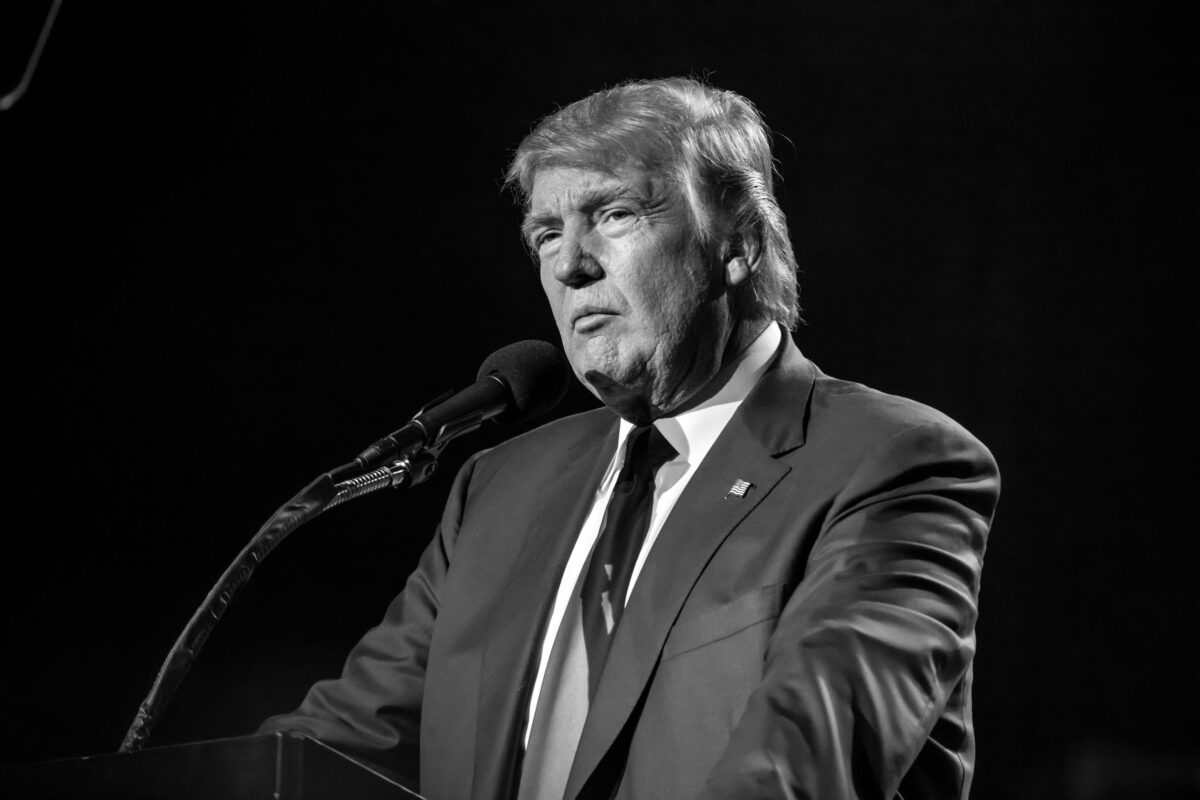
Minnesota went to court after the Trump administration moved to enforce a definition of sex based on biological sex across federal policy, including school athletics.
The state filed its federal lawsuit in April 2025, arguing that the administration could not force Minnesota schools to abandon protections for transgender students through executive orders and threats to federal education money.
One of Minnesota’s arguments involved the Administrative Procedure Act, the federal law that controls how agencies create and implement rules and other government actions.
Tostrud found a major timing problem with that argument.
“Minnesota will not face legal consequences unless and until a hearing is held in which the relevant agency finds that Minnesota is not in compliance with Title IX, or a court finds, in a civil enforcement action, that Minnesota is not in compliance with Title IX,” the judge wrote.
He then made the point even more directly.
“Neither event has occurred here. The Findings themselves impose no legal injury on Minnesota.”
That reasoning shaped much of the decision. Federal investigators and agencies may have challenged Minnesota’s policies and warned of consequences. Still, the judge found that those steps did not amount to the final agency action Minnesota needed to challenge under that portion of federal law.
The distinction prevents the ruling from becoming a blanket declaration that every Trump administration demand is legal. Instead, much of Minnesota’s case failed because the judge concluded that the state had gone to court before certain threatened consequences were finalized.
Billions in Federal Money Change the Equation
The funding claim presented a different problem.
Tostrud allowed Minnesota’s challenge involving billions of dollars to continue because the threat of losing federal funding created a more concrete injury for the state.
The Justice Department has said Minnesota’s Department of Education receives more than $3 billion from the federal departments of Education and Health and Human Services. Federal officials argue that accepting such money comes with an obligation to comply with Title IX.
Minnesota disputes the administration’s interpretation of what compliance requires.
The remaining claim raises a particularly important legal issue: whether Minnesota had clear enough notice when it accepted federal money that the funding could later depend on excluding transgender girls from female athletic programs.
That question reaches beyond one dispute over school sports. Federal funding is one of Washington’s strongest tools for influencing state policy, but courts have long wrestled with the limits of conditions attached to that money.
For Minnesota, the stakes are no longer theoretical if billions of dollars could ultimately be placed at risk.
Supreme Court Ruling Shifted the Title IX Debate
The administration also entered this stage of the case with a major Supreme Court decision behind it.
In June 2026, the Supreme Court ruled that Title IX allows separate sex-based teams and upheld laws in West Virginia and Idaho that restricted participation on female sports teams based on biological sex.
Tostrud cited that decision while considering Minnesota’s challenge. The judge said the Supreme Court’s conclusion that “sex” under Title IX refers to biological sex offered “at least some support” for the Trump administration’s interpretation.
Still, the Supreme Court ruling left an important question unanswered.
The justices decided that states may establish female athletic categories based on biological sex. They did not decide that every state must adopt the same policy or that the federal government may automatically withhold money from states that choose a different approach.
That gap is now central to Minnesota’s fight.
Minnesota law has protected gender identity in education for decades, and state officials maintain that schools must follow those protections unless a court determines otherwise. The state’s protections cover gender identity, and its high school athletics policies have allowed transgender students to participate consistent with their gender identity.
The administration takes the opposite view, arguing that Title IX’s protection against sex discrimination requires female sports and certain facilities to remain separated according to biological sex.
A Second Lawsuit Keeps the Fight Moving

Even with most of Minnesota’s challenge dismissed, another major case is already moving through federal court.
The Justice Department filed a separate lawsuit in March against the Minnesota Department of Education and the Minnesota State High School League, alleging that their transgender-inclusive policies violate Title IX.
That case approaches the dispute from the opposite direction.
Instead of Minnesota asking a court to limit federal enforcement, the federal government is asking a court to declare Minnesota’s policies unlawful. The administration also wants the state to change its rules governing transgender participation in girls’ sports.
Federal officials argue that allowing transgender girls to compete in female sports can deny other female athletes equal opportunities, affect competitive fairness and raise privacy concerns in sex-separated facilities.
Minnesota officials frame the dispute around discrimination and state civil rights protections. Attorney General Keith Ellison has maintained that an executive order cannot simply erase Minnesota law or force schools to discriminate against transgender students.
Those competing positions explain why the litigation has lasted far beyond the initial executive orders.
The Court Narrowed the Case, Not the National Debate
Monday’s ruling gives the Trump administration a meaningful victory because several of Minnesota’s challenges are now off the table.
But the central conflict is far from finished.
The federal funding claim remains alive. The Justice Department’s separate enforcement lawsuit remains pending. Courts may still have to decide how Title IX applies when federal policy and state protections point schools in opposite directions.
The fight also comes as transgender participation in school sports continues to divide states across the country. Some states have adopted restrictions based on biological sex, while others continue to protect participation based on gender identity.
Minnesota’s case may eventually answer a question with consequences well beyond athletics: how much power does the federal government have to use federal funding to force states to adopt one interpretation of civil rights law when those states have written different protections into their own laws?
For now, the judge has narrowed the battlefield without resolving that larger struggle.