Some people happily order extra pineapple on their pizza, while others would rather skip dinner altogether than eat a slice. For one Italian chef working in Australia, however, the controversial topping became part of a workplace dispute that ultimately cost him his job.
Davide Tamburella, a Sicilian chef who worked at La Costa Restaurant and Bar in Brisbane, Australia, was dismissed on May 20, 2026. Management cited his refusal to prepare pizzas topped with ham and pineapple.
The story attracted international attention in November after Australia’s Fair Work Commission made a decision. However, this workplace disagreement involves more than a few pieces of tropical fruit.
A Pizza Order That Turned Into a Workplace Dispute
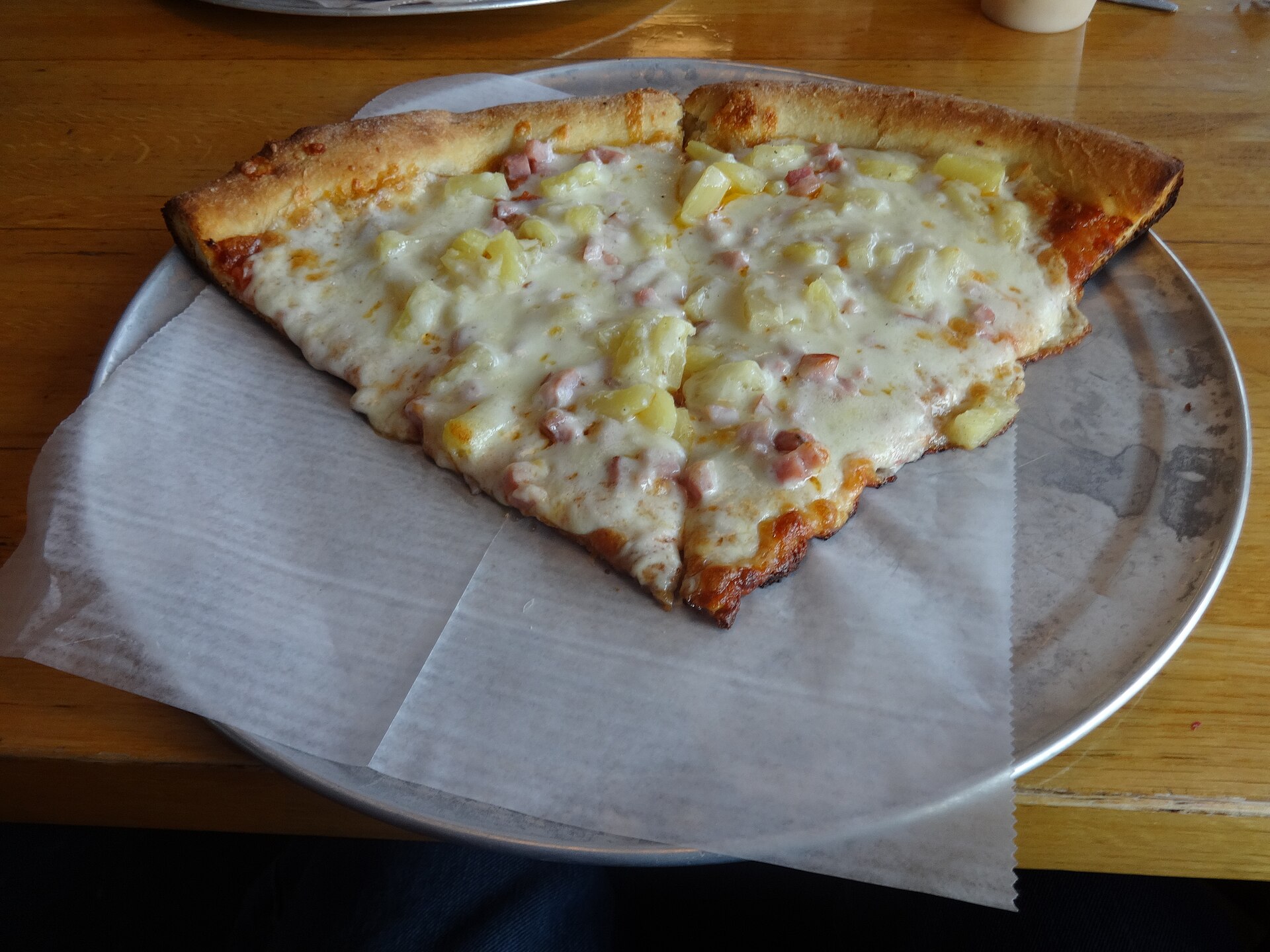
Most restaurant kitchens are accustomed to unusual customer requests. Someone wants extra cheese, another person wants their sauce on the side, and someone else wants a combination of ingredients that makes the chef question their career choices.
For Tamburella, pineapple was a step too far.
According to the BBC, the chef acknowledged refusing to prepare pineapple pizzas on three occasions over four years.
Restaurant managing director Elliot Ingram explained that a customer celebrating a birthday had requested ham-and-pineapple pizzas. The customer was reportedly paying for an event worth more than 15,000 Australian dollars.
Tamburella’s objections went beyond personal taste. He reportedly considered putting pineapple on pizza offensive to his Italian culinary heritage.
What might seem like a harmless dinner request to the average customer represented something much more personal to the chef.
The Restaurant Says Pineapple Wasn’t the Only Problem
Although the pineapple controversy makes for an entertaining headline, restaurant management maintains that several other factors contributed to Tamburella’s dismissal.
Speaking to Australia’s ABC News, Ingram explained that the disagreement over pizza toppings contributed to the decision, but it was not the sole reason.
Management also raised concerns about the chef’s professionalism, inappropriate language, communication with colleagues, leadership and ability to follow workplace directions.
Ingram also pointed out that the restaurant was operating in Australia, where customers may have different expectations regarding Italian food.
“But at the end of the day we’re not in Italy, we’re in Australia,” he told ABC.
From the restaurant’s perspective, accommodating a reasonable customer request was part of running a hospitality business. Tamburella, meanwhile, viewed the situation through the lens of culinary authenticity.
The Chef Believes Pineapple Was an Excuse
Tamburella offered his side of the story during a November 12 interview with Italian newspaper La Stampa.
He said disagreements over authentic Italian cooking had happened before, including discussions about adding cream to carbonara.
However, he maintained that he had previously accepted certain compromises, including chicken Alfredo and using a separate pizza dough that could accommodate a wider variety of toppings.
The chef also described a pizza-making masterclass that took place while he was absent because of a hand injury.
He believed the pineapple disagreement was being used as an excuse to dismiss him. He also alleged that his workplace injury may have contributed to the decision, something restaurant management denied.
“I chose to remain authentic and faithful to Italian cuisine,” Tamburella told La Stampa, according to an English translation of his interview.
What Happened When the Chef Challenged His Dismissal?
Tamburella took his employment dispute to Australia’s Fair Work Commission, but his application was submitted too late.
According to The Sydney Morning Herald, the application missed the filing deadline by 28 days.
The chef cited several circumstances behind the delay, including stress, difficulties related to his injury, gathering documents and concerns about his employer-sponsored immigration process.
Commissioner Jennifer Hunt ultimately found insufficient exceptional circumstances to justify extending the deadline.
Importantly, the commission did not determine that refusing to put pineapple on pizza was sufficient grounds for dismissal. The application was rejected because of its timing, not because the tribunal ruled on whether the dismissal was lawful.
In other words, the tribunal did not settle the pineapple debate.
Hawaiian Pizza Isn’t Actually Hawaiian
Here’s something that might surprise even the biggest pineapple pizza enthusiasts: Hawaiian pizza has Canadian roots.
Sam Panopoulos, a Greek immigrant living in Canada, is widely credited with popularizing the modern Hawaiian pizza in 1962 at the Satellite Restaurant in Chatham, Ontario.
He experimented with canned pineapple to see how its sweetness would work alongside savory ingredients. The name reportedly came from the brand of canned pineapple he used.
What started as a culinary experiment eventually became one of the most recognizable and divisive pizza combinations in the world.
Not bad for something that began with a can of fruit and a little curiosity.
Not Every Italian Chef Hates Pineapple on Pizza
Traditional Italian pizza-making carries considerable cultural significance. In 2017, UNESCO recognized the art of Neapolitan pizza-making as intangible cultural heritage.
Classic pizzas such as Margherita and Marinara rely on relatively simple ingredients and established preparation methods.
However, not every Italian chef believes pineapple should be permanently banned from the kitchen.
In 2024, renowned Naples pizza maker Gino Sorbillo introduced a pineapple pizza featuring smoked cheeses and twice-cooked pineapple. He aimed to challenge culinary prejudices.
Italian pizza maker Franco Pepe has also experimented with pineapple, serving it cold and wrapped in prosciutto.
These creations show that respecting culinary traditions and experimenting with new flavors don’t have to be mutually exclusive.
Another Restaurant Once Charged £100 for Hawaiian Pizza
Tamburella is hardly the first culinary professional to express frustration with pineapple pizza.
In January 2025, Lupa Pizza in Norwich, England, listed a Hawaiian pizza for £100 on Deliveroo as a humorous way of discouraging customers from ordering it.
Celebrity chef Gordon Ramsay has also publicly expressed his dislike of the topping, while former Icelandic President Guðni Th. Jóhannesson once joked about banning it.
Apparently, few pizza toppings inspire quite as much drama.
Where Is the Italian Chef Now?
La Costa Restaurant and Bar closed in July 2026 after its lease expired. Its management attributed the closure to operating costs rather than the pineapple controversy.
Meanwhile, Tamburella has moved on professionally. CNA reported that he became head chef at Don Gino in Brisbane’s West End.
He subsequently confirmed that he had found employment at a restaurant where he felt comfortable and believed Italian culinary values were respected.
Ultimately, his experience raises an interesting question about the balance between culinary integrity and customer satisfaction.
Should chefs have the freedom to refuse requests that conflict with their culinary principles, or should paying customers have the final say?
Perhaps the easiest solution is to check the menu before ordering. After all, dinner shouldn’t have to end in an employment tribunal.