The turkey is resting, the gravy is almost there, and a mother-in-law has just walked into the kitchen with opinions about the stuffing. For a lot of couples, that small moment is where the holiday starts to wobble.
A Psychology Today guide lists 9 in-law problems that put the most strain on couples, and it puts the pushy mother-in-law at the top: the most typical complaint is an overbearing, pushy mother-in-law who ignores boundaries. The list runs from pressure to have children to money lending and personality clashes, and every one of them has a way of showing up at the dinner table.
The Pushy Mother-in-Law Tops the Complaint List
The guide, written by relationship writer Yvonne K. Fulbright, Ph.D., and published by Psychology Today on Oct. 14, 2013, leans on the work of Cambridge University psychologist Terri Apter. According to Apter, three out of four couples “experience significant conflict with their in-laws,” and the bond between a mother-in-law and a daughter-in-law is the trickiest of all.
Apter’s book on in-laws, reviewed by Publishers Weekly, drew on interviews with 150 volunteers in the U.K. and the U.S. Fulbright notes that the book found over 60 percent of women describe a poor relationship with their partner’s mother, compared with just 15 percent of men. Daughters-in-law in her research used words such as “strained,” “infuriating” and “simply awful.”
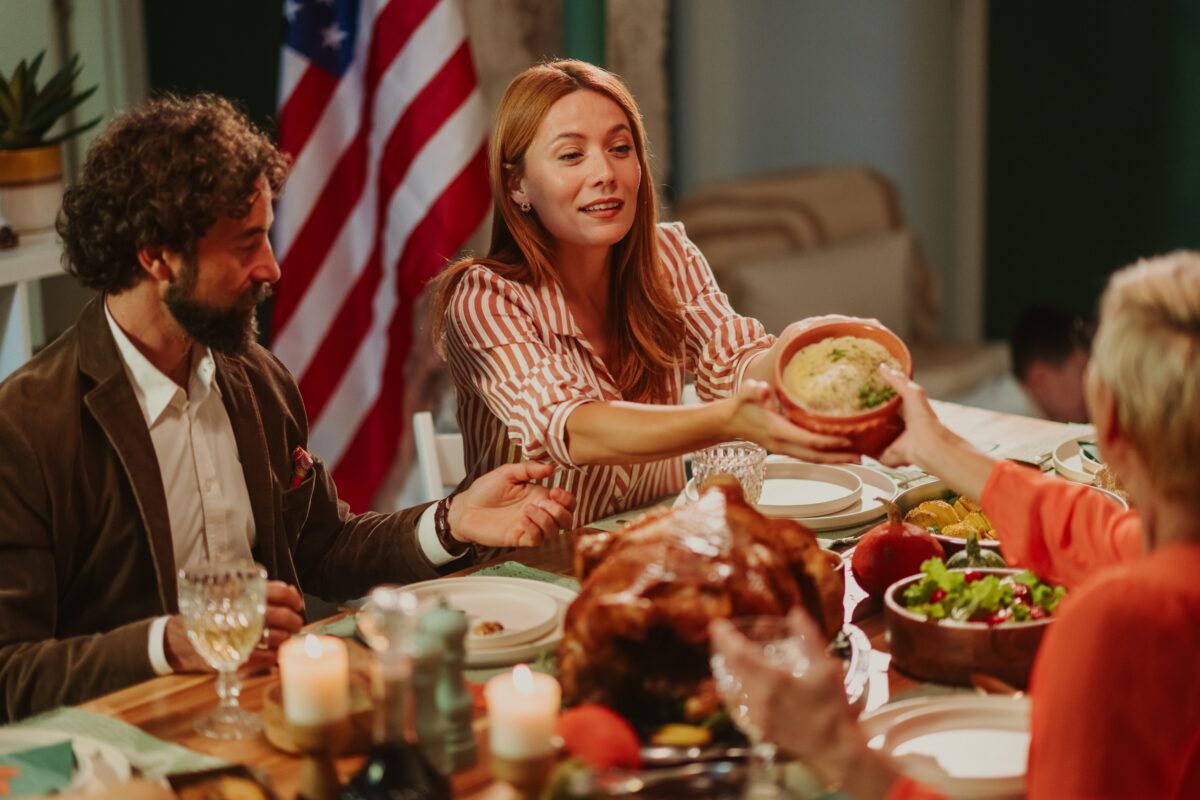
The single most common complaint, Fulbright writes, is that mothers-in-law are overbearing, pushy and disrespectful of boundaries. Anyone who has watched a guest quietly re-season a pot on someone else’s stove knows the type. The holiday season brings plenty of odd American traditions, and a second cook hovering over the host’s roasting pan is one of the most familiar.
Problems 1 Through 3: Babies, Authority and the Take-Charge Cook
1. Pressure to have children. Fulbright calls this the number-one source of tension between a woman and her in-laws. It tends to surface between the main course and dessert, often in front of a full table.
2. Older relatives holding on to authority. Some parents keep trying to run the household their grown child now shares with a spouse, from the seating chart to who carves the bird. Some of the old manners still help on both sides, and Frenz Hub’s etiquette tips for a perfect houseguest read like a checklist for visiting parents, while a rundown of Emily Post’s holiday houseguest rules covers the same ground.
3. A know-it-all or take-charge mother-in-law. This is the in-law who rearranges the pantry, reorders the menu or brings a “better” version of the host’s signature side. Clear roles help here, and a guide to setting up kitchen zones before Thanksgiving dinner shows how giving each helper a defined station keeps cooks from colliding.
Problems 4 Through 6: Approval, Child-Rearing and Clashing Personalities
4. A parent who believes no one is good enough for their son or daughter. In a separate Psychology Today essay, Apter describes a parent’s “conspicuous and continual assessment” of a child’s spouse as the bedrock of many in-law conflicts. At a holiday meal, that can look like steady commentary on the cooking, the house or the guest list, which is why so many of the unspoken rules of a successful marriage come down to spouses backing each other up.
5. Conflicting ideas about raising children. Whether the grandchildren get seconds of pie, sit at the kids’ table or skip the green beans can turn into a referendum on parenting. A roundup of four things families share about their Thanksgiving traditions is a reminder that every household brings its own version to the table.
6. Personality clashes. Some people simply rub each other the wrong way, and a long afternoon in a warm kitchen does little to help.

Problems 7 Through 9: Money, Tradition and the Wedge
7. Money lending. Loans between generations can leave both sides keeping score, and the bill for a big holiday grocery run can reopen the subject.
8. Pressure to conform to religious or cultural norms. Holiday meals carry deep family meaning, from the grace said before eating to the dishes that must appear every year. Many families treasure those customs, and a calm question about what matters most usually goes further than a debate over the menu.
9. A parent trying to drive a wedge between the couple. Fulbright lists this last, and it is often the hardest to name out loud. It can be as quiet as praising one spouse’s cooking while ignoring the other’s.
Keeping the Peace at the Holiday Table
Fulbright’s main advice is for couples to act as a united front, agree on limits ahead of time and let the spouse whose parents are involved take the lead in talking to them.
Utah State University Extension’s guide to preparing for holidays with the in-laws suggests a private “code” word a spouse can use when a conversation needs rescuing or someone needs to step out for fresh air. It also recommends including in-laws in the planning, since everyone can contribute, whether that means carving the turkey or bringing the paper plates.
NPR’s Life Kit offered a kitchen-specific fix in its guide to common in-law issues. New York-based therapist Moraya Seager DeGeare described a mother-in-law who wants to bring a dish the host does not like. Instead of turning it down, she suggested accepting it and simply adding another dish alongside it.
Leftovers, Not Grudges
A long, tense meal has a practical side effect: food sits out while everyone talks. The U.S. Department of Agriculture’s leftovers guidance says cooked food must go into the refrigerator within 2 hours, keeps there for 3 to 4 days or in the freezer for 3 to 4 months, and should be reheated to 165 degrees Fahrenheit.
Handing a mother-in-law a labeled container of turkey on her way out the door will not fix every item on the list of 9. It does end the day on a generous note, and with three in four couples reporting real friction, a calm goodbye at the door counts as a holiday win.
This article was produced with AI assistance and edited for accuracy against the sources linked above.
Image: Marjory Collins, photographer for Farm Security Administration – Public domain/Wikimedia Commons