A head of iceberg lettuce is one of the quiet constants of the grocery cart. It goes into burgers, tacos and the wedge salad at the steakhouse, and most shoppers toss one in without a second look at the price tag. In October, that habit got a little more expensive.
Iceberg lettuce averaged $1.962 a pound, or about $1.96, in U.S. cities in October 2026, up 19.9% from $1.636 in September, according to the Bureau of Labor Statistics. That was the biggest one-month jump among the foods in the BLS average retail price table, ahead of romaine at 5.4% and field-grown tomatoes at 4.6%.

The October Numbers
The figures come from the BLS table of average retail food and energy prices for the U.S. and the Midwest, which tracks the city average price of everyday items month by month. Iceberg rose by about 33 cents a pound in a single month, from $1.636 to $1.962.
The rest of the salad bowl moved up too, just not as fast. Romaine climbed 5.4% to $3.490 a pound, from $3.312. Field-grown tomatoes rose 4.6% to $2.084 a pound, from $1.992. Ground chuck also rose, up 3.9% to $6.733 a pound.
Few vegetables carry as much grocery-cart history as iceberg, a fixture of the American salad bowl for generations and a regular on lists of the foods boomers loved with a passion. That familiarity is exactly why a near-20% jump in one month stands out.
Put another way, 2 pounds of iceberg that cost about $3.27 in September cost about $3.92 in October. It is not a budget breaker on its own, but it adds up for families already watching every line on the receipt, and it lands just as shoppers price out the holiday meal. A state-by-state look at what Thanksgiving dinner costs in 2026 shows how quickly those small increases stack.
What Drove Produce Prices Up
The lettuce jump showed up in the broader inflation numbers as well. Retail Dive reported on Nov. 12 that food-at-home prices rose 0.4% in October from September, the largest monthly increase in grocery inflation since April, based on Consumer Price Index data from the BLS. Fresh vegetable prices rose more than 2%, and lettuce prices in the CPI leapt almost 8%.
Fuel was a big part of the story. Retail Dive noted that diesel averaged $6.13 a gallon at the time, up 60% from a year earlier, and that higher fuel costs were pushing up what it takes to grow and move food. The U.S. Energy Information Administration shows the national diesel average eased to $5.937 a gallon on Nov. 16, still more than $2 above a year ago.
For shoppers who want to soften the blow, it helps to know which things are actually getting cheaper and shift a little of the budget their way. A few clever frugal living habits can also make room for the items that have gone up. Before heading to the store, the fridge and freezer checks worth doing before a Thanksgiving shop help avoid buying duplicates of produce already on hand.
What USDA Expects for 2026
Federal forecasters had already flagged vegetables as a category to watch. The USDA Economic Research Service food price outlook forecasts fresh vegetable prices to rise 5.8% in 2026, with a forecast range of 4.8% to 6.8%. That is one of 7 food-at-home categories expected to grow faster than their 20-year average. By comparison, ERS expects food-at-home prices overall to rise 2.3% in 2026 and all food prices to rise 2.8%, so vegetables are running well ahead of the grocery bill as a whole.
The same outlook shows how jumpy prices are further up the chain. Farm-level fresh vegetable prices rose 37.3% from August to September 2026, ERS reported, and were 29.6% higher than a year earlier. The agency notes that farm-level vegetable prices can swing widely with weather, production and the seasons.
A Lettuce Named for the Ice It Rode On
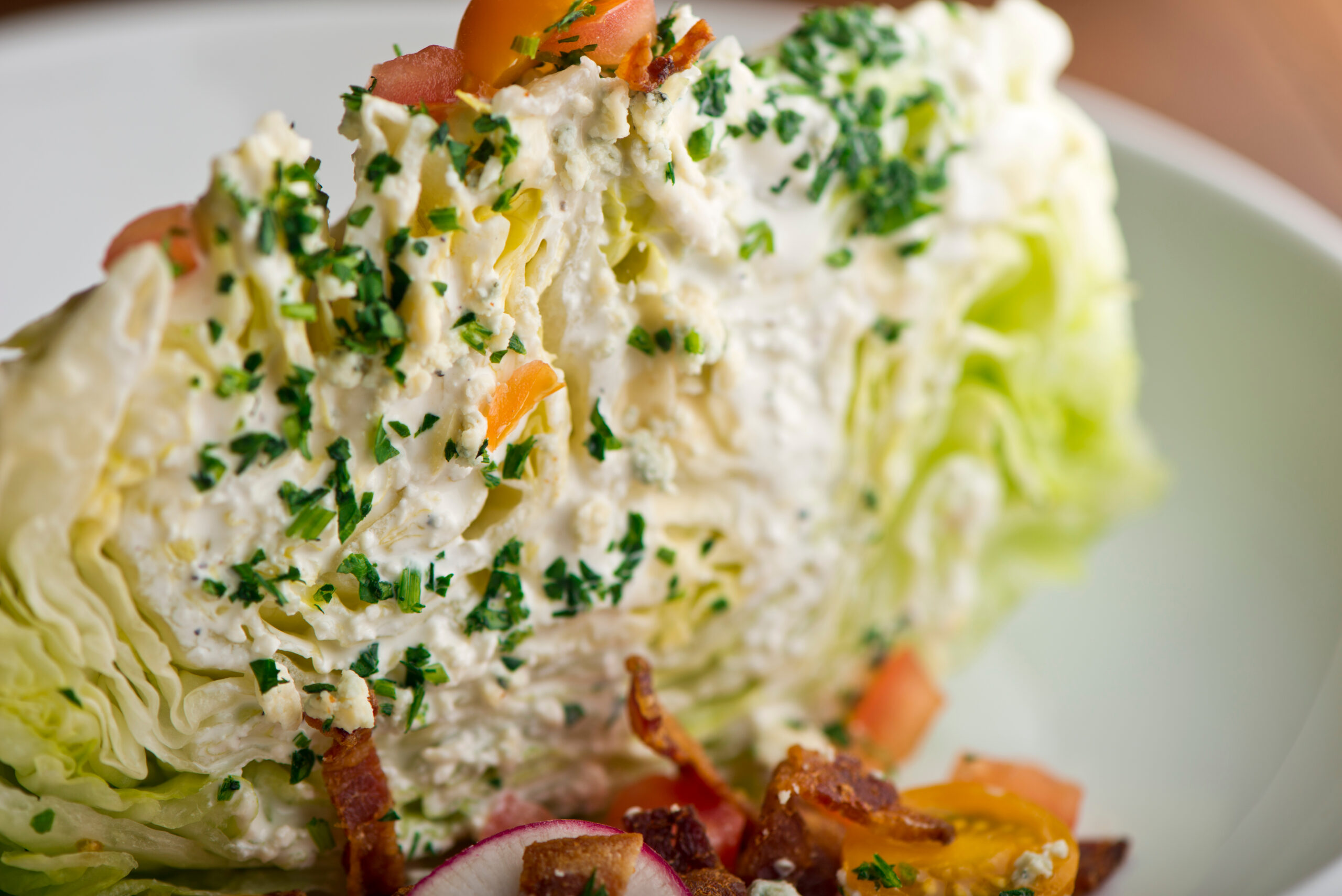
Iceberg has been an American staple for well over a century. It was introduced in 1894 by Burpee Seeds and Plants, and it got its name from the way it was shipped, with heads packed on crushed ice, according to its Wikipedia entry. In the early 20th century, it was grown in summer at high altitudes in Colorado and Idaho, and in spring in Arizona and California’s Imperial Valley, and it quickly became the most common lettuce in the Western U.S.
That long run explains why the crunchy head still shows up on so many plates, from diner burgers to the wedge salad. Restaurants lean on it for the same reasons home cooks do: it holds its crunch under hot fillings, it shreds neatly, and a single head goes a long way.
How Shoppers Can Stretch the Salad Budget
When one item jumps, the simplest move is to compare. Romaine still costs more per pound than iceberg even after the October spike, at $3.490 versus $1.962, so iceberg remains the cheaper choice for shredded toppings and big family salads.
It also pays to plan around what is already in the crisper drawer before a big grocery run, so a second head of lettuce does not end up next to a first one that is still perfectly crisp. Store flyers and weekly specials are worth a look as well, since the shelf price on any given week can sit above or below the national average.
Prices can turn back down as quickly as they rose. For now, the October data shows iceberg at $1.962 a pound, the steepest monthly climb on the BLS food list, and a small but real bump for anyone building a salad for the holiday table.
This article was produced with AI assistance and edited for accuracy against the sources linked above.