For many couples, the holiday menu is the easy part. The harder part is the seating chart, the side-dish politics and the moment a mother-in-law asks, once again, why the stuffing is not made the way it used to be.
Utah State University Extension’s Christina Pay offers 3 ways couples can prepare for holidays with the in-laws: establish boundaries, manage expectations and try a team approach. Her team approach includes a very practical idea: give relatives a real job, such as carving the turkey or bringing the paper plates.

Why In-Law Holidays Feel Different
Pay, an extension assistant professor, lays out the advice in a Utah State question-and-answer column titled “Preparing for Holidays with the In-Laws.” She opens with a line from marriage researcher John Gottman, a professor emeritus of psychology at the University of Washington, who said in a 2001 CNN interview that “every marriage is a cross-cultural experience regardless of whether people are from different or the same cultures.”
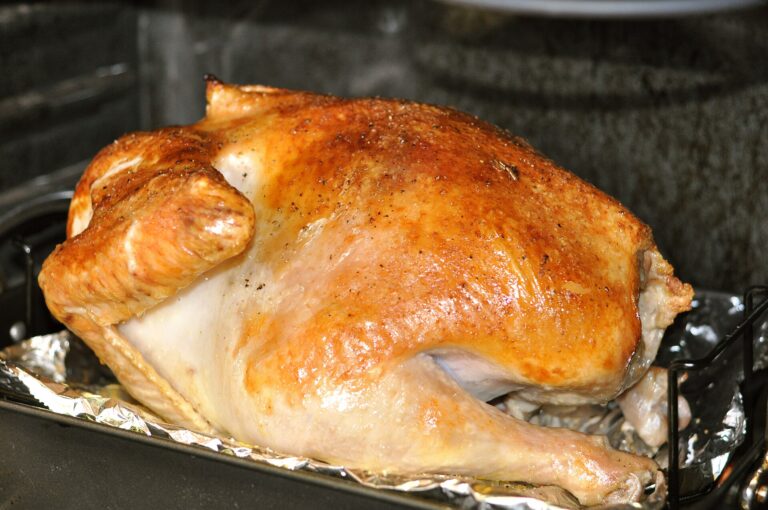
That idea lands hardest at the holiday table. Each spouse grew up with a particular turkey, a particular pie and a particular way of passing the gravy. When 2 families meet over one meal, those habits collide, and the Thanksgiving dinner, a large meal generally centered on a roasted turkey, becomes the stage. Plenty of couples will recognize the scene from a list of what families argue about at Thanksgiving dinner.
Pay’s point is that a little planning before the doorbell rings keeps the day about the food and the people rather than old frictions. That kind of planning also protects the host’s energy, a theme explored in a guide on enjoying the holidays without arriving at January in pieces, and it gives visiting relatives clear cues, much like these simple etiquette tips for a perfect houseguest. Her 3 steps follow.
1. Establish Boundaries, Including a Code Word
Pay’s first step is for spouses to talk privately about the things that make either one uncomfortable at family gatherings. She suggests agreeing on a “code” word. When a conversation turns awkward, saying it signals the other spouse that a rescue is needed, or that it is time to step outside for some fresh air.
The key, Pay writes, is being on the same page and ready to back each other up, while keeping the conversation respectful and constructive. A code word works just as well in a crowded kitchen as in the living room: it can be the cue to fetch more ice, check the oven or start the dishes together. Couples who want more on the quiet rules of a long partnership can browse unspoken rules of a successful marriage from married men.
2. Manage Expectations at the Table
The second step is about realistic expectations. Pay reminds readers that in-laws are not the same as a person’s own parents, and she recommends looking for common ground instead of focusing on differences. Nobody at the table is perfect, she adds, which makes it easier not to take every comment personally.
The holidays lean hard on tradition, so expectations can run high. A mother-in-law who has hosted for decades may have firm opinions about the cranberry sauce, and a list of mother-in-law habits that can frustrate daughters-in-law shows how common those clashes are. Many of those customs look curious from the outside, too, as a roundup of American traditions that confuse the rest of the world makes clear.
AARP’s guide to old family dynamics at the holidays adds a food-focused twist on the same idea: talk ahead of time. Its tips for parents include asking grown children directly whether they want “a big dinner” this year and whether it is fine to invite the neighbors. AARP also warns against assuming tastes never change, noting that an adult son may no longer eat the peanut butter and jelly sandwiches he loved as a kid.

3. Try a Team Approach, From Carving to Paper Plates
Pay’s third step is the one that headlines her column: include the in-laws in planning. “Everyone appreciates feeling included,” she writes, and she encourages couples not to be afraid to ask for help. Each relative may have a skill or game to share, and her examples are refreshingly concrete: carving the turkey, bringing the paper plates or leading an icebreaker.
Handing a father-in-law the carving knife does 2 things at once. It takes a big job off the host’s list, and it gives a guest a visible role in the meal. The same goes for a sister-in-law who brings her famous rolls or a brother-in-law in charge of drinks. Spreading the work around also means the host gets to sit down and eat the meal, which is the whole point of gathering.
AARP’s guide also cautions against choosing sides in family disagreements, a habit it says can make conflict worse. A shared job in the kitchen is a gentle way to keep everyone pulling in the same direction.
Remembering Who Raised the Spouse
Pay closes with a reminder that tends to soften even the toughest holiday: in-laws raised the person their son- or daughter-in-law married. When the gravy is lumpy or the jokes fall flat, she suggests looking across the table at the spouse and remembering that the in-laws “must have done something right.”
The relationship built through marriage, which the law calls affinity, does not come with a manual. For many families, though, it comes with a turkey, a stack of paper plates and a few relatives ready to help. Pay’s 3 steps simply turn that help into a plan.
This article was produced with AI assistance and edited for accuracy against the sources linked above.
Image: Marjory Collins, photographer for Farm Security Administration. – Public domain/Wikimedia Commons