Imagine walking into Goodwill hoping to find a great pair of Levi’s jeans or a Nike hoodie at a bargain price. You search through the racks, check the shelves, and browse the clothing section, but the best finds seem harder to spot. Now imagine hearing that some valuable donated items might be identified and sent to online auctions before regular shoppers ever get a chance to buy them. That claim is currently stirring debate among thrift shoppers, bargain hunters, and people who donate to Goodwill.
The story gained attention after a November 23, 2026, NewsBreak article from Vinyl and Velvet discussed a video by YouTube creator Chance Dubinick. His February 26 video, titled Goodwill Just Got Exposed… BAD, claimed that a leaked employee booklet showed workers how to identify valuable brands and direct certain items toward online sales. However, one important detail matters: the booklet has not been independently authenticated, and the available reporting does not establish that Nike hoodies and Levi’s jeans are specifically targeted by a nationwide policy.
How the Goodwill controversy started
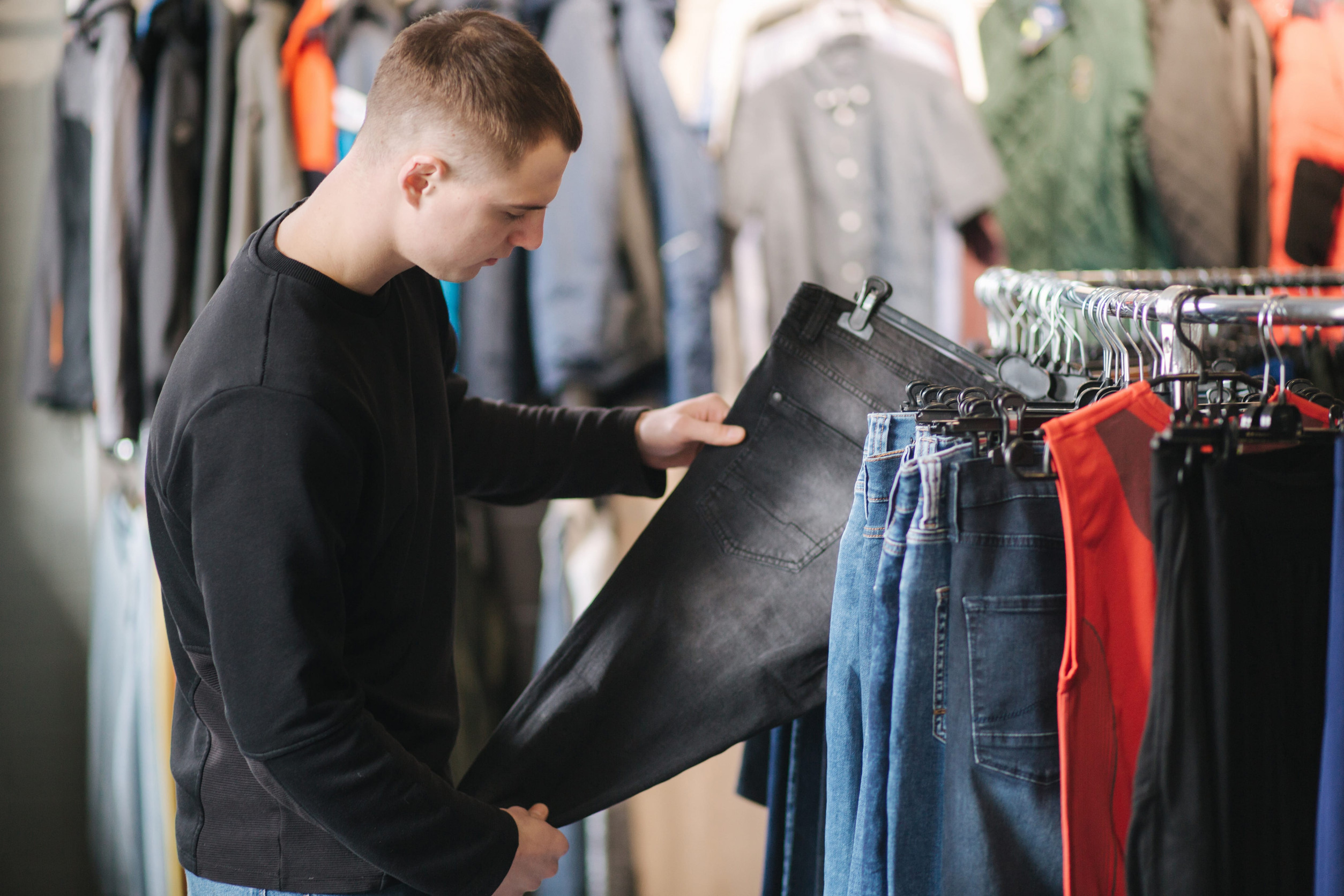
Dubinick’s video centers on an alleged employee training booklet from a Goodwill organization in Houston, Texas. According to his account, the document guides employees to recognize valuable brands and send selected merchandise to online auctions instead of placing everything on regular store racks.
The NewsBreak article repeats this claim and uses Nike and Levi’s as examples of clothing that could attract attention. It also mentions an estimated value of around $30 for certain items. However, that figure comes from Dubinick’s remarks and is not supported by verified sales records or actual listings.
The research also includes no publicly verified copy of the alleged booklet. That makes it difficult to establish exactly what employees were instructed to do or how widespread the practice might be.
Still, the discussion raises a question many thrift shoppers have probably considered: What happens to the best donations after they enter the sorting process?
Goodwill does sell donated items online
Online resale is not a new practice at Goodwill. The organization operates ShopGoodwill, an auction website where participating locations sell donated merchandise to online buyers.
According to ShopGoodwill, individual Goodwill organizations list their own items. More than 135 organizations participate, so a single national store policy does not control online selling.
Some locations also operate e-commerce departments that identify merchandise suitable for online buyers. Goodwill of Southern California’s 2024 audit confirms that donated goods are made available through physical stores, clearance centers, and e-commerce operations.
This means the general practice described in the viral story is plausible. Goodwill locations can sort donations and choose different selling channels. However, that does not prove the specific allegations about Nike hoodies, Levi’s jeans, or the document’s authenticity.
Why some donated clothes never reach the regular racks
Not every donated item has the same resale potential. A basic T-shirt, a vintage jacket, and a collectible pair of shoes may attract very different buyers.
Online auctions allow sellers to reach people specifically searching for certain brands, unusual clothing, collectibles, and other items that might be difficult to sell in one physical store.
For example, someone looking for a particular vintage clothing style might be willing to compete with other buyers online. A local shopper browsing a crowded rack might never recognize the same item’s value.
ShopGoodwill also operates differently from a traditional central warehouse. Items are shipped from the Goodwill location that listed them, and that location sets its own shipping and handling costs.
Buyers should watch for these additional charges. Shipping, handling, and the final auction price can make an item considerably more expensive than its opening bid suggests.
The $30 question is not as simple as it sounds
One detail attracting attention is the suggestion that certain donated clothing items could be worth around $30.
But what does that amount actually represent?
It could refer to an estimated resale value, a possible selling price, or simply an example of an item that employees might consider valuable. The available reporting does not establish which one applies.
No verified Nike hoodie or Levi’s listings connected to the alleged booklet show a $30 selling price.
This distinction matters because an item’s original retail price doesn’t necessarily reflect its secondhand value. Condition, size, age, demand, and authenticity can all influence what buyers are willing to pay.
A pair of jeans that looks expensive in a shopping mall might attract little interest at an online auction. Meanwhile, an older jacket in excellent condition could attract several competing bidders.
Without actual completed sales, the $30 estimate should not be treated as a confirmed figure.
Goodwill says its sales support community programs

There is another side to this discussion. Goodwill is a nonprofit network, and donated merchandise helps fund employment services, job training, and other community programs.
Goodwill is made up of more than 150 independent organizations. Each operates with a degree of independence, meaning its finances, retail operations, and programs can differ from those of another affiliate.
For example, Goodwill of South Carolina reported approximately $64.9 million in revenue for its 2024-25 financial year. Of that amount, about $55 million came from sales of donated goods.
Goodwill of Southern California’s 2024 audit reported approximately $150.65 million in retail sales and $259.8 million in program services.
These figures show why donated merchandise matters to the organization’s operations. However, they do not tell us how much money comes specifically from online auctions compared with physical stores.
It is also important not to apply one affiliate’s financial figures to every Goodwill location across the country.
Thrift shoppers have other complaints about online auctions

The Nike and Levi’s discussion is not the first time shoppers have questioned Goodwill’s resale practices.
Some ShopGoodwill customers have complained about shipping and handling fees, damaged merchandise, and high opening bids. Reviews on Trustpilot include both negative experiences and shoppers who say they have found good deals.
An August 2024 discussion on eBay’s community forum also included complaints about auction fees and inventory quality. One participant claimed that some clothing auctions received no bids.
These comments are individual experiences, not proof of widespread misconduct. Still, they highlight a practical concern for bargain hunters: an online thrift auction does not automatically offer a better deal than shopping in person.
What shoppers and donors should know

For people who enjoy thrift shopping, the controversy offers a useful reminder to explore more than one buying option.
If you are looking for branded clothing, check several Goodwill locations instead of assuming every store receives the same merchandise. You can also browse ShopGoodwill and compare the final auction price, shipping, and handling costs before bidding.
Donors can ask their local Goodwill organization how donated merchandise is sorted and which channels are used to sell it. Because affiliates operate independently, the answer may differ by location.
Most importantly, shoppers should separate the verified practice of online resale from the unverified claims about the alleged employee booklet.
Goodwill has not been found to have issued a specific response to Dubinick’s video, and no independent evidence in the available research confirms that all locations follow the alleged process.
For now, the controversy leaves thrift shoppers with an interesting question. If the best donated clothes can be sold online, how much of a bargain can someone still expect to find on the regular store racks?