The dessert plates are cleared, the coffee is finished, and the table sits waiting. Nobody brings the bill. For many American visitors in a French restaurant, that quiet stretch is the first sign that the rules at the table are different.
Five customs tend to catch tourists off guard, from the words service compris on the check to the free carafe of water. The guidance below draws on Taste of France magazine, Connexion France and the travel site France with Vero.

1. Service Compris Means Service Is Already in the Price
Taste of France explains that in restaurants, cafes and bars, the price on the menu already includes service. The words service compris on a menu or bill mean there is no need to add a compulsory percentage on top.
Connexion France adds that a service charge must always be included in pricing and shown on the bill, listed as 15% service compris. It is built into the price of each item rather than added to the total, and it goes toward the wages of waiting staff. The general idea of tipping is outlined in the overview of tipping, and the rules vary widely between countries.
2. A Pourboire Is a Gesture, Not a Requirement
A small tip, called a pourboire, is welcome for good service but “very much a gesture rather than an expectation,” according to Taste of France, which updated its guide on Oct. 9, 2026. For an ordinary meal, paying the exact bill is fine. Many diners round up, such as 47 euros to 50 euros, or leave a few euros on the table. After a memorable meal at a smarter restaurant, 5 to 10 percent is a possible gesture.
The habits differ from American ones. A YouGov poll reported by Connexion France in June 2023 found that 37% of people in France normally tip waitstaff, compared with 77% in the United States. Visitors planning a trip can compare their packing lists using a roundup of the best travel accessories, and a family group can read about luggage sets for holiday trips before heading overseas. Anyone driving to the airport at holiday time can also read 6 things never to do when driving alone on a holiday road trip.

3. The Check Does Not Arrive Until Someone Asks
The check often does not arrive until a diner asks for it. The phrase to know is “L’addition, s’il vous plait,” which means the bill, please, according to Taste of France and France with Vero.
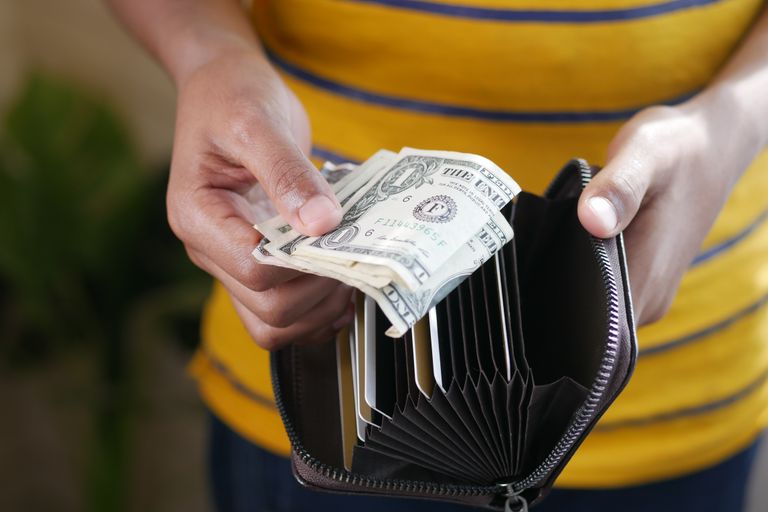
When the bill arrives, the total is shown in bold and is often marked TTC, which means taxes are included. Cash payers who want the server to keep the change can say “Gardez la monnaie.” For a lighter look at who covers the check at home, see 3 zodiac signs that always pick up the check.
4. Bread and Tap Water Are Free
Bread and tap water are not charged, says France with Vero. If they do not arrive with the meal, a diner can ask for “du pain” and “une carafe d’eau, s’il vous plait.” The carafe is filled at the table, and diners pour their own glasses.
Ice is not served by default, so it must be requested, as “des glacons, s’il vous plait.” A frenzhub list of 12 laws and rules about food in other countries shows how many places have their own table customs.
5. Set Menus and Three Levels of Prices
Fixed-price meals, called le Menu, are usually cheaper than ordering a la carte, and the lunch version is called la Formule, per France with Vero. Options typically include a starter and a main, a main and a dessert, or all three for a higher price. The idea is similar to the prix fixe menu, though drinks, mineral water and coffee are rarely included.
Seat location matters at cafes too. The guide says there are three levels of prices: standing at the counter, known as the zinc, is cheapest, an indoor table costs more and an outdoor terrace costs the most. Menus and price lists must be posted outside, so checking them before sitting down saves surprises.
Why Prices Look Different on the Menu
Because service is built into the menu price, the number on the menu is close to the number on the bill, which is why a French diner rarely does tip math at the end of a meal. The same logic fits the posted price lists and the three seat levels: the price is the price, and it is shown up front.
Visitors who expect an American-style check dropped at the table before the last bite may find the pause confusing, so asking for the check is the simplest fix.
Putting It Together at the Table
A typical lunch might start with a request for a carafe, move to the Formule, and end with a polite “L’addition, s’il vous plait,” followed by rounding up the bill if the service was good. None of it requires memorizing percentages.
Taste of France sums up the philosophy neatly: in France, a tip is a token of thanks, not part of the bill. Background on the country appears in the overview of France and on its cuisine.
This article was produced with AI assistance and edited for accuracy against the sources linked above.