San Antonio is once again confronting the force of fast-moving weather as flash flood risk forces officials to shut down roughly 40 streets across the city, disrupting travel, tightening emergency response routes, and turning familiar roadways into danger zones within hours. The closures come as heavy rainfall continues to overwhelm drainage systems and low-lying corridors, a pattern that city officials warn can escalate quickly during flash flood conditions.
What begins as routine rain can rapidly transform into life-threatening water levels, especially in areas known for repeated flooding. Authorities are urging residents to avoid all unnecessary travel as conditions remain unstable, with additional closures possible depending on how the weather system develops.
Flash flooding turns routine streets into sudden hazards.
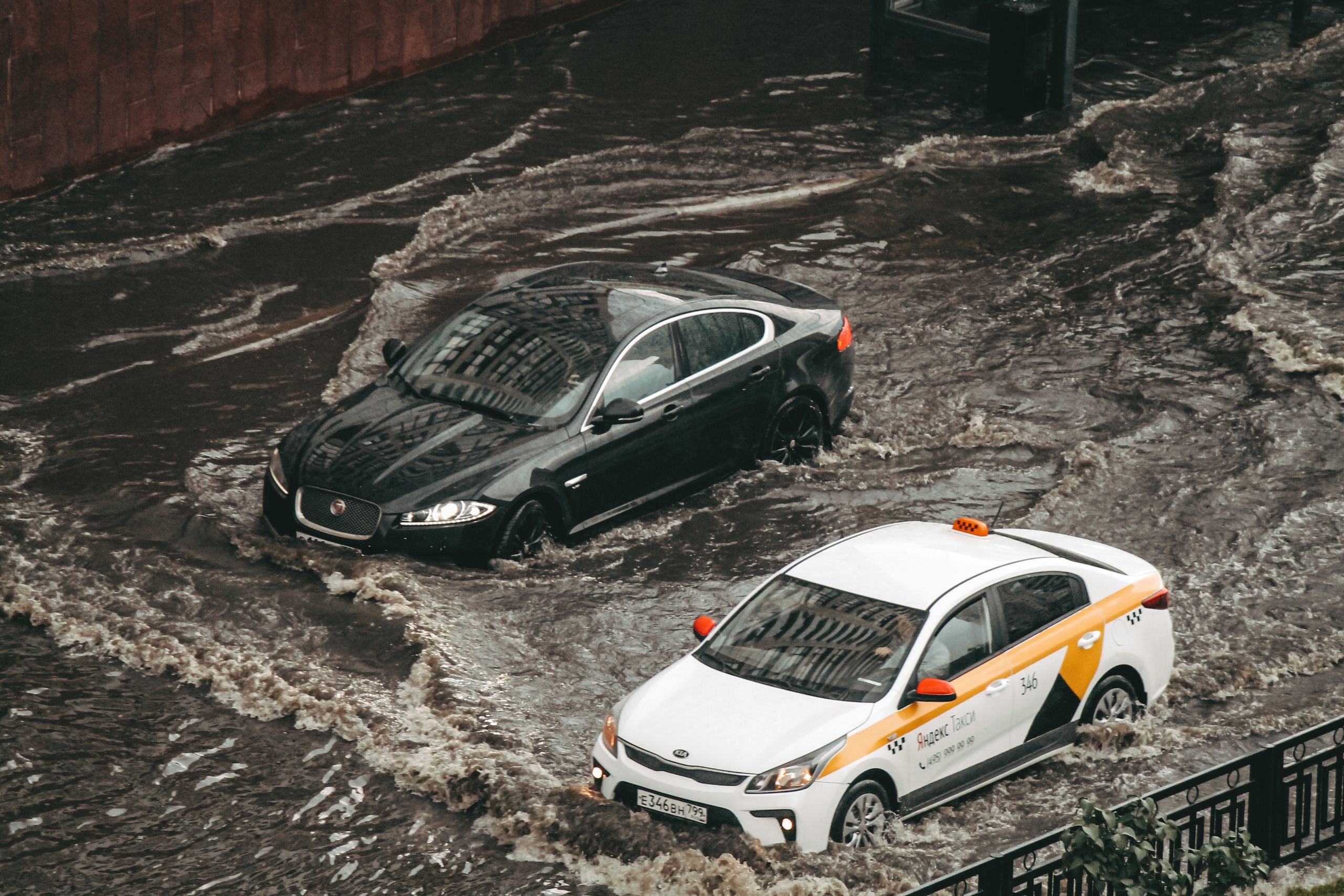
Unlike steady rainfall, flash flooding can develop in minutes, especially in urban environments like San Antonio, where concrete surfaces prevent water absorption and force rapid runoff into streets and intersections. Officials say this rapid buildup is what makes flash floods especially dangerous.
Roads that appear manageable can become impassable in a very short period, particularly in underpasses and low-lying corridors where water naturally collects. City crews are actively monitoring these conditions in real time as rainfall continues to move through the region in waves.
Low-water crossings and flood zones take the first hit.
A key focus of the closures is San Antonio’s network of low-water crossings, which are among the most vulnerable points during heavy rain events. These crossings are designed to allow water flow, but they are also among the first areas to become unsafe when rainfall intensifies.
Officials routinely shut them down as a precaution, as even shallow moving water can sweep vehicles off course or trap drivers unexpectedly. Many of the 40 affected streets fall within known flood-prone corridors, where repeated weather events have created predictable but unavoidable shutdown points during storms.
Emergency teams activate a coordinated citywide response.
City emergency management teams, along with police and fire departments, are working in coordination to manage closures, redirect traffic, and keep critical emergency routes open. Officials prioritize access for ambulances, fire response vehicles, and evacuation corridors as conditions evolve.
At the same time, crews are placing barricades and updating closure maps as additional flooding reports come in from across the city. This real-time response system is designed to reduce the risk of stranded vehicles and emergency delays during rapidly changing weather conditions.
Morning commute disruption expected as water lingers
Even as rainfall intensity fluctuates, officials warn that road risk does not disappear immediately when the rain slows. Water often lingers in underpasses, drainage basins, and low-lying intersections well into the morning commute, creating hidden hazards for drivers who may assume conditions have improved overnight.
Transportation officials are urging commuters to check live updates before traveling, as rerouted traffic is already placing pressure on secondary streets not designed for high-volume flow.
Economic ripple effects spread across the city
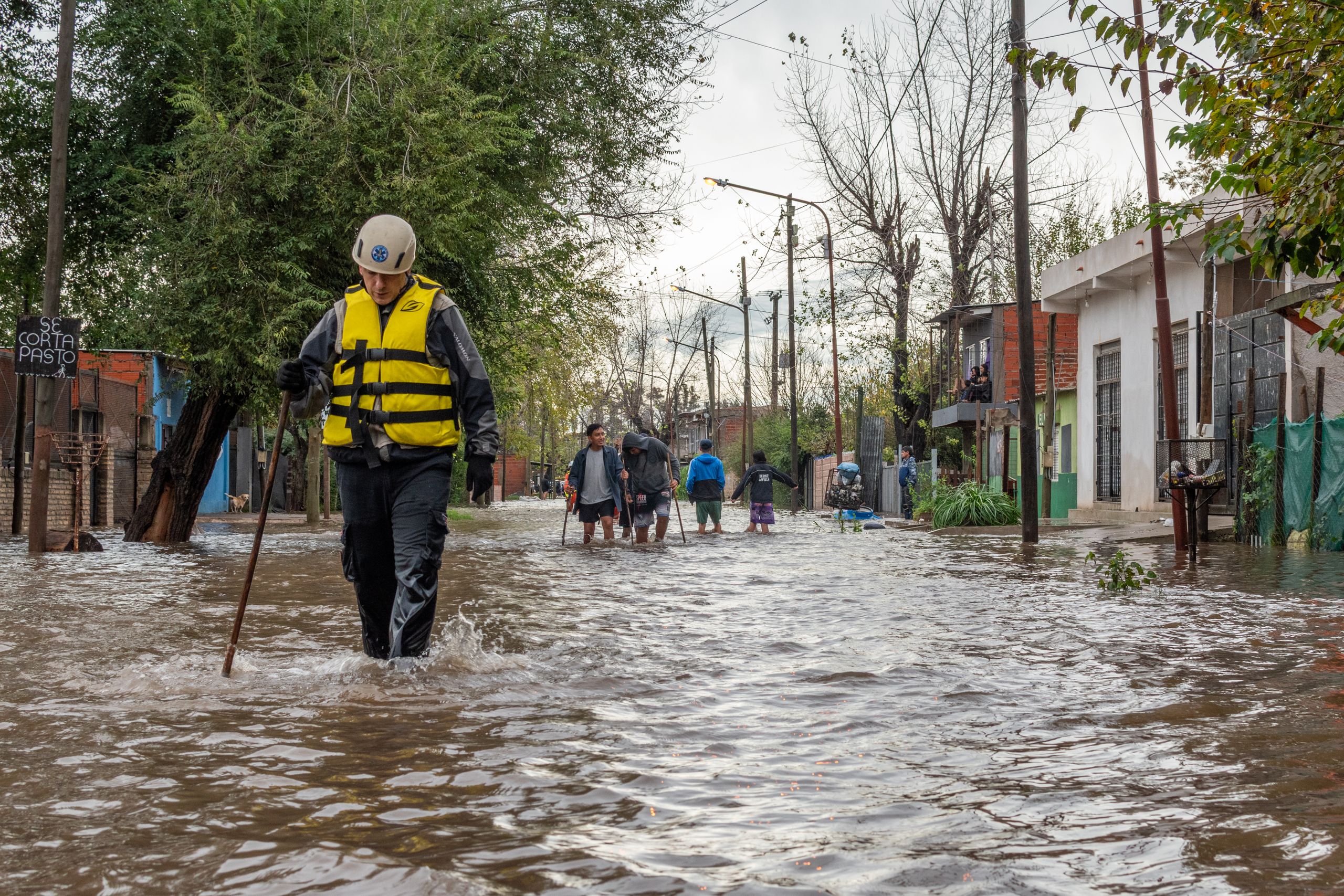
Beyond travel disruption, the closures are also affecting daily routines across San Antonio. Delivery services, rideshare operations, and commuter traffic are all experiencing delays as routes are diverted away from flooded areas.
Local businesses may also feel the impact as employees face longer travel times or temporary route closures, adding another layer of strain during active weather conditions. While the system remains in place, officials stress that avoiding flooded roads is the most effective way to prevent emergencies and reduce strain on response teams.
What happens next as the rain system continues
Meteorologists are continuing to track the storm system responsible for the current flooding risk, with additional rainfall still possible in the coming hours. Officials caution that flash flood warnings can remain in effect even after rain subsides, as water continues moving through drainage channels and collecting in flood-prone areas.
For now, San Antonio remains under close watch, with dozens of streets closed and emergency crews on standby as the city navigates yet another round of fast-developing flood conditions.