The Kennedy Center is taking down a name that sparked controversy in Washington and beyond. Staff have been instructed to remove President Donald Trump’s name from the center’s exterior signage, email signatures, letterheads, brochures, and online materials. The order comes after a federal judge ruled last week that the center’s board exceeded its authority by adding Trump’s name, requiring a reversion to the official title: The John F. Kennedy Center for the Performing Arts.
This directive, issued via email from the Office of the General Counsel, requires compliance by June 12, giving staff just under two weeks to update every reference across official and public-facing platforms. According to the court ruling, the board’s decision to associate Trump’s name with the landmark venue was beyond its statutory powers, invalidating the naming vote from December of the previous year.
Judge Cooper’s Ruling and Board Authority

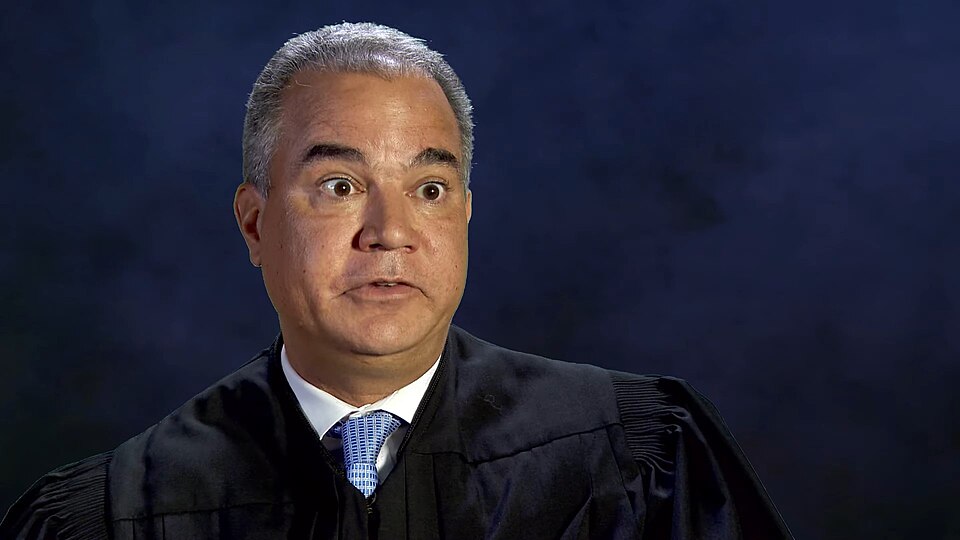
U.S. District Judge Christopher Cooper’s order emphasized that the Kennedy Center board lacked authority to rename the facility after President Trump. The decision highlights the legal limitations placed on federal cultural institutions when it comes to altering longstanding naming protocols. Judge Cooper also addressed a separate board decision to close the center for two years for $250 million in renovations, noting that it had relied on “an insufficient, one-sided presentation of information” and failed to consider its full statutory obligations.
While the court did not prevent the temporary closure, it required adherence to proper governance protocols to ensure all statutory and regulatory considerations are addressed. The ruling underscores the judiciary’s role in enforcing accountability and proper procedure in federal institutions.
Kennedy Center Staff Directed to Remove Trump Name Across Platforms
The Kennedy Center has instructed staff to remove any mention of Donald Trump from all official communications and materials. This includes signage on and inside the building, email signatures, letterhead, brochures, promotional content, and digital platforms such as the website and social media channels. The directive comes directly from the center’s Office of the General Counsel and is in compliance with the federal court ruling.
Staff is expected to complete these updates by June 12, ensuring that the institution consistently uses its original designation: The John F. Kennedy Center for the Performing Arts, or simply “the Kennedy Center.” The deadline emphasizes the urgency of the task and the center’s commitment to aligning with the court’s decision while maintaining operational continuity.
Trump’s Involvement and Controversial Actions
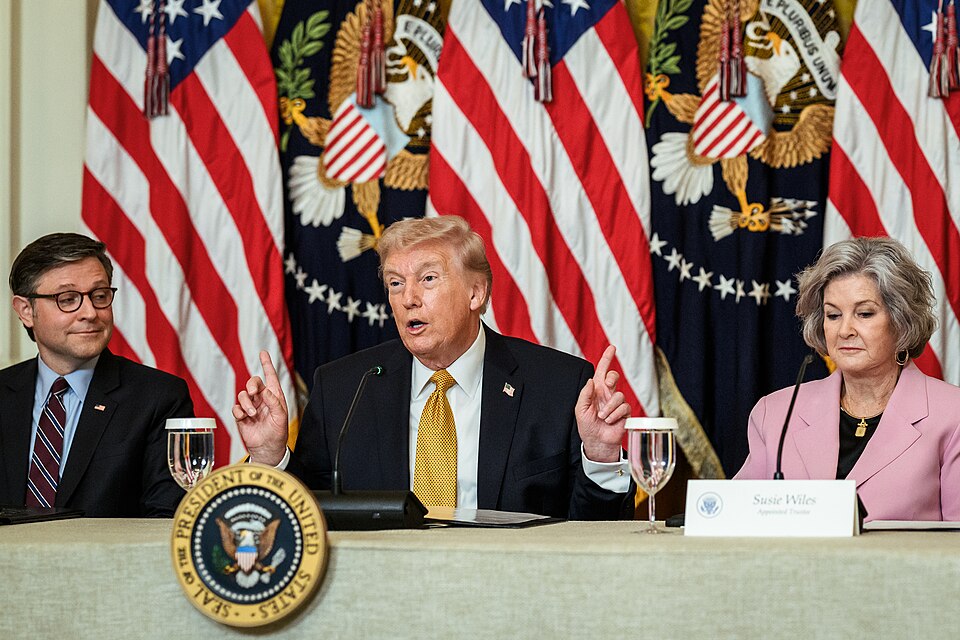
Donald Trump’s engagement with the Kennedy Center predates the board’s vote. Since taking office for a second term, he has shown an active interest in programming and operations, including canceling some performances and introducing others. Last August, he teased the possibility of adding his name to the center on Truth Social, months before the board formally voted.
This involvement and the subsequent naming dispute have drawn national attention, highlighting the intersection of politics, public institutions, and cultural landmarks. Legal experts have noted that this case sets an important precedent regarding board authority and executive influence over federal arts organizations.
Current Status and Visual Update
As of the latest reports, Trump’s name remains on the exterior of the Kennedy Center, signaling a short window for physical updates before the June 12 compliance deadline. Staff is expected to prioritize high-visibility signage and online references to align the center’s public identity with the court order.
The situation has sparked broader discussions about governance, transparency, and the proper processes for modifying federal institutions with historical and cultural significance.
Legal and Cultural Implications
The removal of Trump’s name is more than an administrative update; it signals how federal cultural institutions navigate political influence, board authority, and legal oversight. It also serves as a case study in how courts can intervene to ensure statutory compliance while preserving the historical integrity of iconic landmarks.
This high-profile ruling reinforces the importance of transparent decision-making processes and clarifies boundaries for board actions, particularly in politically sensitive contexts. The Kennedy Center now faces the operational challenge of executing the rebranding swiftly while maintaining its programming and public engagement uninterrupted.