For many Italian-American families, Christmas Eve means a long table of fish and shellfish: fried smelts, baccalà, calamari, shrimp and a big pot of clams or mussels. With that much seafood moving from the market to the stove in one day, the shopping and cooking details matter.
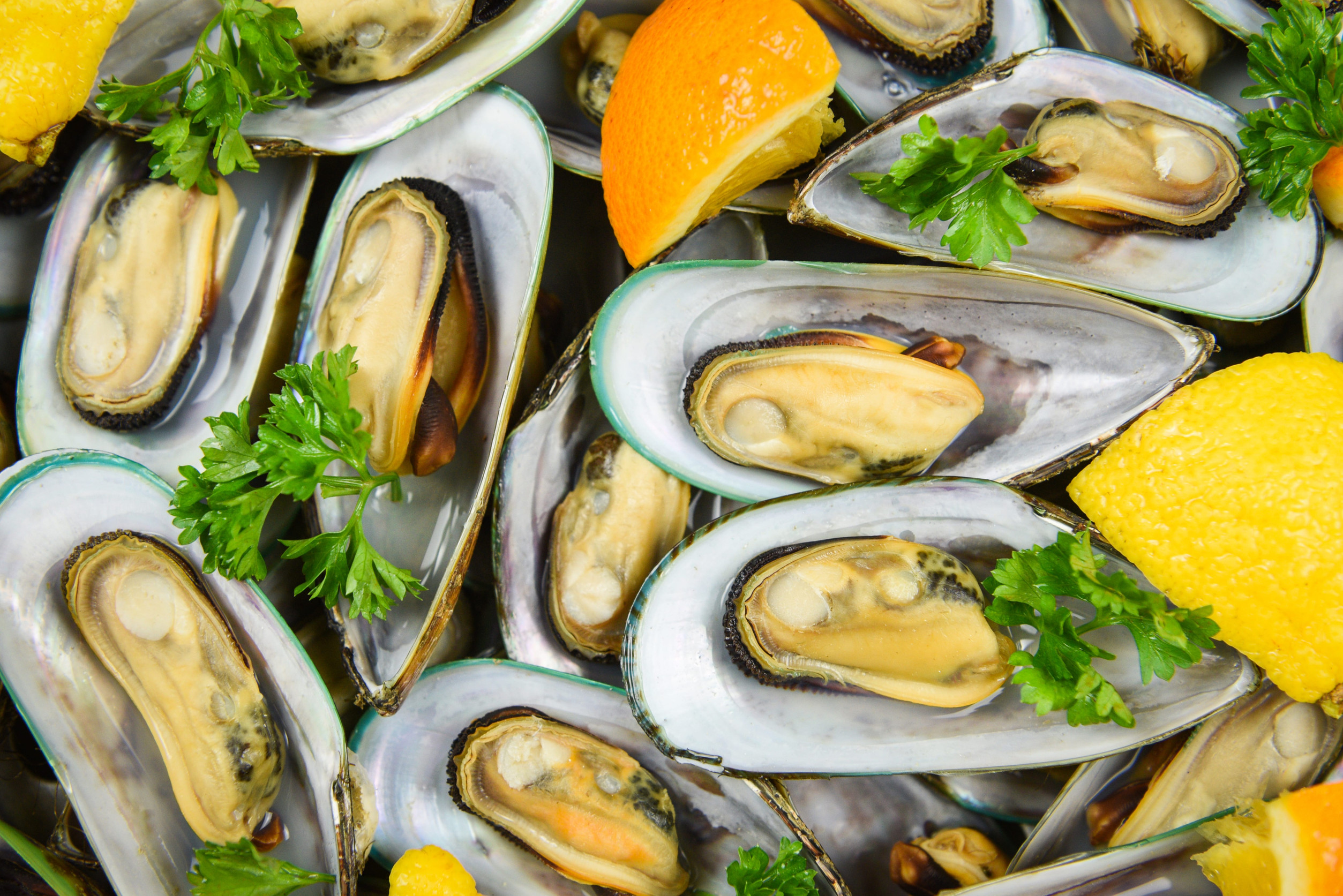
The U.S. Food and Drug Administration’s consumer guide to selecting and serving seafood lays out the basics, starting with a simple tap test: live clams, oysters and mussels close when the shell is tapped, and any that stay open should not be chosen, which means they should never make it into the pot. Here are 6 FDA rules for a Feast of the Seven Fishes, including the 145°F target for most seafood.
Why the Feast Puts So Much Seafood on One Table
According to Wikipedia’s entry on the Feast of the Seven Fishes, the Italian-American Christmas Eve meal grew out of the Roman Catholic custom of skipping meat on the eve of a feast day, and it took root in the cities of the Northeast and Upper Midwest during the peak of Italian immigration from the 1880s to the 1930s. The menu often includes anchovies, whiting, lobster, sardines, smelts, squid, octopus, shrimp, mussels and clams, along with baccalà, or dried salt cod.
The tradition sits comfortably among the American holiday traditions that confuse the rest of the world, and it is one of several regional food customs worth knowing, like the dishes in this look at food rules in other countries. A table that holds seven or more seafood dishes also means more chances for a shopping or storage slip, which is where the FDA’s guidance comes in.
Rule 1: Tap-Test Clams, Oysters and Mussels and Toss Cracked Shells
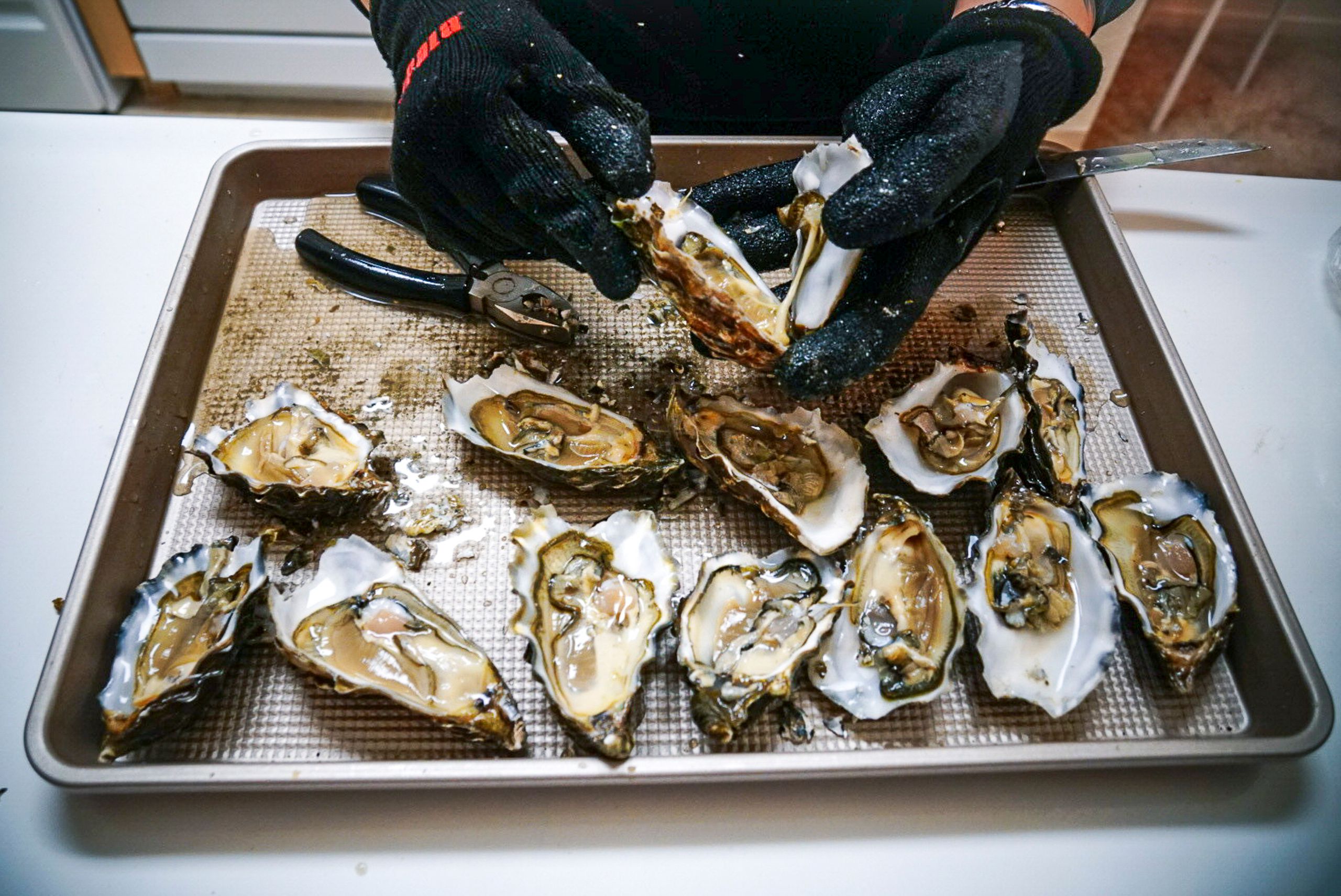
The FDA’s seafood guide says live clams, oysters and mussels will close when the shell is tapped. If they do not close, the agency says not to select them. It also says to throw away any clams, oysters or mussels with cracked or broken shells.
That check is worth doing twice: once at the counter and again at home before cooking, since a bag of shellfish can pick up a few cracked shells on the trip.
Rule 2: Look for the Tag on Live Shellfish
The FDA tells shoppers to look for tags on sacks or containers of live shellfish in the shell, and labels on containers of shucked shellfish. Those tags include the processor’s certification number, which means the shellfish were harvested and processed under national shellfish safety controls. That system is the National Shellfish Sanitation Program, a federal and state cooperative program the FDA oversees.
Rule 3: Pick Crabs and Lobsters That Are Still Moving
For families who serve crab or a stuffed-baked lobster, the FDA says live crabs and lobsters should show some leg movement. According to the agency, they spoil rapidly after death, so only live crabs and lobsters should be selected and prepared. Hosts juggling the menu might also appreciate the habits of people who host every year, from planning ahead to shopping early.
Rule 4: Refrigerate at 40°F or Below, and Use Within 2 Days
The FDA says to put seafood on ice or in the refrigerator or freezer soon after buying it. If it will be used within 2 days, the agency says to store it in a clean refrigerator at 40°F or below. Otherwise, it should be wrapped tightly in plastic, foil or moisture-proof paper and frozen.
The FDA’s guide to refrigerator thermometers notes that few refrigerator controls show actual temperatures, so an inexpensive appliance thermometer is the easiest way to confirm the fridge is really at 40°F. A crowded holiday fridge is also harder to keep cold, the agency says, because air needs room to circulate. A quick clear-out before the shopping trip, like the one in this look at people who never let leftovers go to waste, makes room for the seafood.
Rule 5: Thaw Frozen Seafood in the Refrigerator Overnight
Frozen shrimp, calamari and fish fillets are common shortcuts for a big Christmas Eve menu. The FDA says to thaw frozen seafood gradually in the refrigerator overnight. If time is short, it can be sealed in a plastic bag and submerged in cold water, or defrosted in the microwave if it will be cooked right away, stopping while the fish is still icy but pliable. Cooks juggling fried calamari on the stove and baked cod in the oven might also find room in this comparison of countertop cookers that free up the oven.
When buying frozen seafood, the agency says to skip packages that are open, torn or crushed on the edges, and those with frost or ice crystals, which can mean the fish was stored a long time or thawed and refrozen. The fish should be hard, not bendable.
Rule 6: Cook to 145°F, and Toss Shellfish That Stay Shut
According to the FDA, most seafood should be cooked to an internal temperature of 145°F. Without a thermometer, there are visual cues: fish flesh turns clear and separates easily with a fork; shrimp, scallops, crab and lobster become firm, pearly and opaque; and clams, mussels and oysters open during cooking. Any that do not open should be thrown out, the agency says.
The FDA adds that seafood with a sour, rancid or fishy smell, raw or cooked, should not be eaten, and that a fleeting or lingering ammonia odor in cooked seafood is another reason to toss it.
One More Rule for the Table
Once the feast is on the table, the FDA says seafood and other perishable food should never sit out of the refrigerator for more than 2 hours, or more than 1 hour when temperatures are above 90°F. For a long, multi-course Christmas Eve dinner, that means bringing out each course as it is ready and putting leftovers away promptly, so the last plate of fried smelts is as good as the first.
This article was produced with AI assistance and edited for accuracy against the sources linked above.