A home baker who brings brandy-soaked desserts and fruit to family holidays asked Dear Abby what to do after one relative asked for them to stop. The sweets are kept well out of the children’s reach, the letter says, but the relative says the kids keep asking why they cannot have any.
The letter ran in the Dear Abby column on Nov. 16, 2026, signed “Adults Only.” Abby’s answer offered a simple fix for the dessert table and a pointed aside about the parent.

The Holiday Dessert at the Center of the Dispute
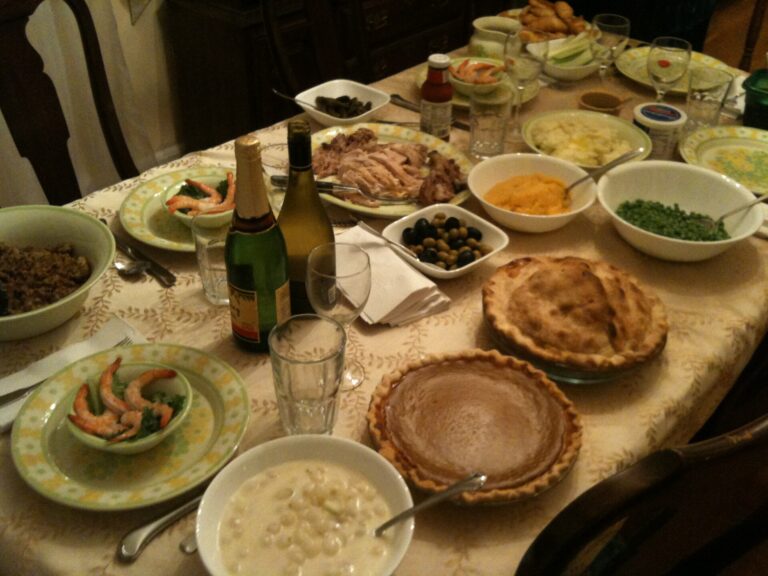
In the Nov. 16 Dear Abby column, the writer explains that the family gathers for the holidays like so many others, and that the writer loves making different sweets for the occasion. Some of them are desserts or fruit soaked in brandy. Everyone loves them, according to the letter, and they are kept well away from where the children can reach.
One person has objected. According to the letter, this relative has asked the writer not to bring the brandied sweets at all, because their children ask why they cannot have them and the parent is uncomfortable explaining. The relative feels that nothing on the holiday table should be off-limits to the kids.
The writer disagrees. Growing up, the writer recalled, there was always an adult punch and other things children could not have, and the writer thinks the explanation is simple: some things are for grown-ups. That kind of rule is one of the old-school etiquette rules some families have quietly dropped, which may be part of why it sparked a debate. The letter adds that the hosts are afraid of causing a rift, and asks Abby whether the family should go along with the request or use it as a teaching moment.
Holiday tables are full of rituals that seem odd from the outside, from the kids’ table to the adults-only punch bowl, and plenty of them appear on lists of Thanksgiving traditions everyone pretends aren’t weird and odd American traditions that confuse the rest of the world.
What Dear Abby Advised
Abby’s answer was practical. The simplest solution, she wrote, would be to make a nonalcoholic version of the dish and serve that to any minors, or to any adults who do not drink, who express an interest.
She also added a pointed note in parentheses. If the parent is uncomfortable explaining the rules of modern society to their kids, Abby wrote, the letter writer might be an excellent candidate for the job.
The answer keeps the brandied fruit on the table while removing the reason for the complaint. Children get a version of the dessert, the adults keep the original, and nobody has to give up a family favorite. It also sidesteps the bigger argument about whether a holiday table should have anything that only adults can eat.
Holiday gatherings come with plenty of unwritten rules, from what to bring to what to give, and the gift-giving manners the Emily Post Institute teaches cover the season’s other big etiquette questions. Families that want to avoid a blowup over dessert often lean on simple habits for keeping the peace at family dinners.

A Long Tradition of Spirited Desserts
Soaking fruit and cakes in spirits is an old holiday practice. A classic fruitcake is often brushed or soaked with brandy, rum or whiskey and left to age for weeks before it is served, and brandied cherries, peaches and other fruits have long been part of winter dessert tables. In Germany, the rumtopf, a crock of fruit layered with sugar and rum through the summer and opened in winter, is a holiday tradition of its own.
Brandy, a spirit distilled from wine, gives these desserts their warm, rich flavor. Because the fruit is soaked rather than cooked hard, much of the spirit stays in the dessert, which is why many families serve brandied fruit as an adults-only dish in the first place.
Brandied fruit also keeps well, which is part of its appeal for holiday bakers. Fruit packed in a sugar syrup and spirit can be made weeks ahead, stored in jars and brought out as the season goes on, spooned over ice cream or pound cake, or folded into a trifle. For a cook who likes to arrive at family gatherings with something special, it is an easy make-ahead dish that feels festive without a lot of last-minute work.
Making the Dessert Table Work for Everyone
Abby’s suggestion is easy to follow in a home kitchen. Fruit can be soaked in fruit juice, such as apple, orange or white grape juice, with the same spices used in the brandied version. A cake can be brushed with a spiced syrup instead of a spirit. Setting the two versions out on different plates, with a small label, makes it clear which one is meant for the kids.
That approach also helps with adults who do not drink, a group Abby specifically mentioned. A holiday table where every guest has something to choose from is usually a calmer one.
Whether the relative will accept the compromise is another question. The letter suggests the objection is less about the fruit than about having to tell children no. On that point, Abby left little doubt about where she stood, and the letter writer may end up being the one to explain that some holiday sweets are simply for grown-ups.
This article was produced with AI assistance and edited for accuracy against the sources linked above.
Image: Don Ramey Logan – CC BY-SA 4.0/Wikimedia Commons