A simple bag of shredded lettuce has become the focus of a growing food safety investigation as health officials track rising cases of cyclosporiasis across the United States. The Food and Drug Administration FDA is examining multiple illness clusters, with iceberg lettuce among the possible sources being investigated.
For consumers who buy fresh produce expecting a healthy choice, the outbreak is raising uncomfortable questions about how safe everyday foods really are.
The concern goes beyond one vegetable or one grocery purchase. Health experts say tracing Cyclospora outbreaks can be extremely difficult because the parasite is invisible, symptoms may appear long after exposure, and contaminated products may disappear before investigators identify the source. The result is a food safety mystery where people may become sick before officials know exactly what happened.
Lettuce Investigation Puts Fresh Produce Safety Under Pressure
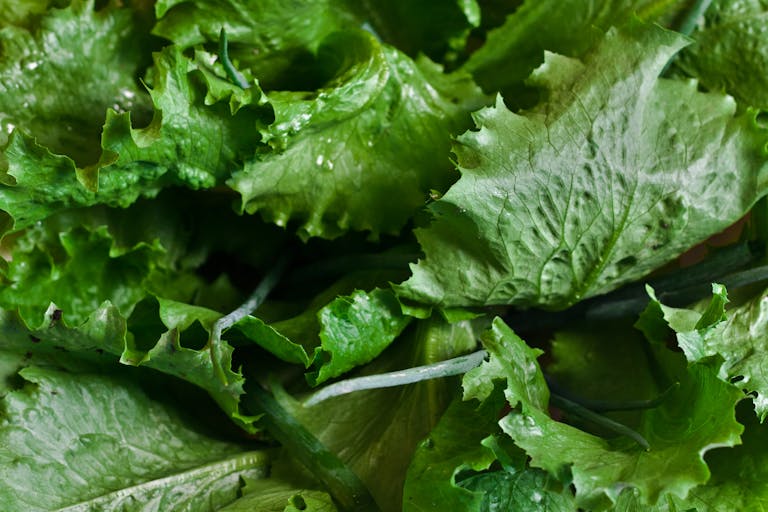
The FDA is investigating several clusters of cyclosporiasis cases, including a reported outbreak involving 72 illnesses. Investigators are working to determine whether the cases share a common source and whether contaminated lettuce played a role in the spread. At this stage, officials have not confirmed that lettuce is responsible for every reported infection.
Cyclospora is a microscopic parasite that affects the digestive system and can cause prolonged illness. Unlike some foodborne bacteria, it follows a complicated life cycle that makes it harder to track during outbreaks. People cannot see, smell, or taste contaminated food, meaning a product can appear completely normal while carrying a health risk.
Fresh lettuce has become a major concern because it is often eaten raw. Unlike foods that are cooked before consumption, salads and leafy greens usually have no final heating step to eliminate harmful organisms. This makes prevention throughout the entire supply chain especially important.
The Hidden Problem Inside America’s Complex Food Supply Chain
The modern food system allows consumers to enjoy fresh produce throughout the year, but that convenience comes with challenges. A single bag of lettuce may travel through farms, processing facilities, warehouses, transportation networks, and stores before reaching a kitchen. Every stage creates another opportunity for contamination.
The biggest challenge for investigators is timing. A contaminated product may already be consumed, removed from shelves, or thrown away by the time health officials identify a pattern. This means investigators are often forced to reconstruct events weeks after exposure occurred.
Former food safety officials have warned that some outbreaks never reveal a complete answer. Even when investigators identify a likely source, they may never determine every product or location involved. That uncertainty can leave consumers searching for answers that public health agencies may not be able to provide.
Why Cyclospora Is Different From Other Foodborne Illnesses
Cyclospora infections can be difficult to detect because symptoms do not always appear immediately. A person may eat contaminated food and only become sick days or weeks later. By that time, remembering every meal and ingredient can be nearly impossible.
Common symptoms include watery diarrhea, stomach cramps, nausea, loss of appetite, fatigue, and weight loss. Some people may experience symptoms that improve and then return again. The illness can become especially concerning for older adults, young children, and people with weakened immune systems.
The delayed nature of Cyclospora creates major problems during outbreak investigations. Health officials depend heavily on patient interviews, laboratory testing, and supply chain records to identify possible connections. When dozens of people eat different meals from different locations, finding the common link becomes a difficult process.
Fresh Produce Has Faced Food Safety Questions Before
The current Cyclospora investigation is part of a broader history of concerns involving fresh produce. Over the years, health officials have investigated outbreaks connected to vegetables, herbs, and ready to eat food products. These incidents have shown that even foods associated with healthy eating can pose risks when contaminated.
Leafy greens often receive attention because they are widely consumed and commonly eaten without cooking. A contaminated ingredient can potentially reach thousands of consumers through restaurants, grocery stores, and packaged food products. This creates a challenge that requires strong safety measures from farms all the way to retailers.
Repeated investigations of produce related illnesses have increased pressure on the food industry. Consumers expect fresh foods to be safe, but complex supply chains make perfect prevention extremely difficult. Each outbreak creates renewed debate about whether current safety systems are strong enough for modern food distribution.
Consumers Face Uncertainty as Officials Search for Answers
One of the most frustrating parts of a foodborne illness outbreak is the period between the first illnesses and the final explanation. Health officials must collect enough evidence before identifying a specific product or issuing public warnings. Moving too quickly can create confusion, but moving too slowly can increase public risk.
The Cyclospora investigation highlights this difficult balance. Officials must protect consumers while avoiding claims that have not been scientifically confirmed. For shoppers, that often means waiting for updates while continuing normal food safety practices.
The investigation also shows how dependent consumers are on information from agencies such as the FDA and the Centers for Disease Control and Prevention. When outbreaks occur, accurate communication becomes just as important as identifying the source. Without clear answers, public confidence in everyday foods can quickly decline.
How Consumers Can Reduce Their Risk
Health officials have not advised people to avoid all lettuce or fresh produce unless a specific recall is announced. However, careful food handling remains one of the most important ways consumers can reduce their risk of foodborne illness. Simple habits can help lower exposure to harmful organisms.
People should wash fresh produce under running water, clean preparation surfaces, and keep refrigerated foods stored properly. Consumers should also pay attention to official food safety announcements rather than relying on rumors or unverified claims. Staying informed can help people respond appropriately during outbreaks.
Anyone experiencing prolonged diarrhea, dehydration, severe stomach pain, or recurring symptoms should contact a healthcare professional. Early medical attention can help identify infections and provide appropriate treatment. Ignoring persistent symptoms can allow illnesses to continue longer than necessary.
The Bigger Warning Behind the Cyclospora Outbreak
The Cyclospora investigation is about more than lettuce. It reveals the vulnerabilities of a food system where products can travel thousands of miles before reaching consumers. A contamination problem in one location can quickly become a concern for people across multiple states.
Fresh produce remains an important part of a healthy diet, but the outbreak serves as a reminder that safety depends on every step of the journey. Farmers, processors, distributors, retailers, and consumers all play a role in reducing risks. A failure at any point can create consequences that are felt far beyond the original source.
As investigators continue searching for answers, the biggest concern remains uncertainty. Consumers want to know exactly what caused the illnesses and how to prevent future outbreaks. Until those answers emerge, the Cyclospora investigation stands as another warning that even ordinary foods can carry extraordinary risks when food safety systems are tested.