For family caregivers, the holiday dinner can be the one time all year that siblings sit at the same table as the parent they help care for. It can also be the moment years of frustration spill over between the ham and the mashed potatoes.
Psychologist Barry J. Jacobs, writing for AARP, offers a short list of what caregivers should and should not say to siblings at the holiday table, with the goal of keeping the peace while still asking for more help.

The Holiday Dinner Moment Caregivers Know Too Well
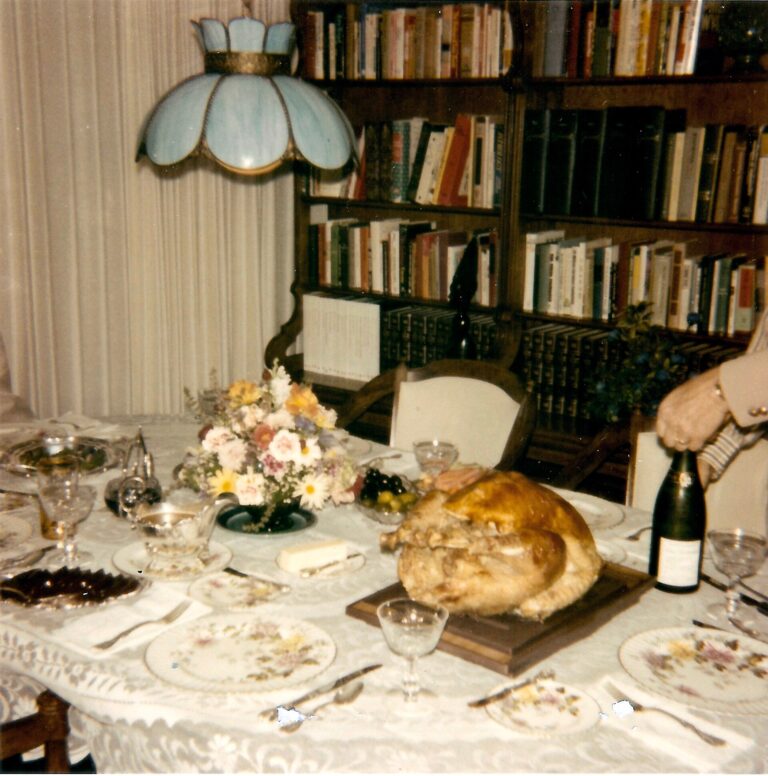
In his AARP column on holiday table manners for caregivers, Jacobs describes a caregiver he calls Harriet, who is serving Christmas dinner to her aging mother, who lives with her, and to her two older brothers and their families. Her brothers sit while she lifts pots, ladles soup and carves the meat.
When Harriet finally sits down, she snaps at her oldest brother to serve their mother for a change. Everyone flinches. The brother stands and drops a slice of ham on his mother’s plate, and the table goes mostly silent.
Confronting siblings over crescent rolls may feel satisfying, Jacobs writes, but it can divide the family during a ritual meant for togetherness, and it can push away the very relatives a caregiver hopes will help more often.
The stakes are large. AARP and the National Alliance for Caregiving reported in July 2025 that 63 million Americans, nearly 1 in 4 adults, provided ongoing care for a loved one in the past year, and nearly 1 in 4 of those caregivers spend 40 or more hours a week on it.
Holiday gatherings often bring out generational habits, and some of the advice worth taking from boomers fits right in, along with these boomer habits that are making a comeback.
For many families, Christmas dinner also carries faith and family values, and readers interested in that side of the season may want this look at common misconceptions about living the Christian life.
Don’t 1: Asking a Broad ‘Why Not More?’ Question
The first thing to avoid, according to Jacobs, is a sweeping question asking a sibling why they are not helping more with Mom. He explains that a statement aimed at the other person tends to sound accusatory and usually triggers defensiveness or a list of excuses. The question is also too broad.
Jacobs calls this an axiom of family therapy: statements that point at the other person put them on the defensive, while statements about the speaker’s own feelings and needs tend to be heard more neutrally. Few reluctant siblings will respond to a broad accusation by stepping up, he writes. Requests work better when they fit what a particular sibling actually has the time and ability to do.
A few other comments are worth leaving off the holiday table, too, and this list of harmful phrases to avoid during the holidays covers several.
Do 1: Make a Small, Specific Request for Dinner
Instead, Jacobs suggests a statement that begins with the caregiver’s own appreciation, such as saying they would really appreciate a sibling’s help taking care of Mom during dinner. That kind of defined, limited request is far more likely to be met with cooperation, he writes, and it is hard to refuse when the caregiver is clearly busy in the kitchen.
At the table, that could mean asking a brother to fill Mom’s plate, cut her meat or sit beside her through the meal. Families who want the whole evening to go smoothly can borrow from these 5 habits of people who keep the peace at family dinners.

Don’t 2 and 3: Venting About the Load and Guilt Trips
Jacobs also advises against telling siblings that a parent’s constant needs are wearing the caregiver down. Relatives who are not involved often justify their distance by downplaying a parent’s needs, he writes, and they may respond by calling the caregiver an exaggerator rather than stepping up.
His other “don’t” is the classic guilt trip about visiting more often. Guilt can be a powerful motivator, Jacobs writes, but it creates bad feelings, and siblings who do come back may arrive reluctantly, worried about another lecture, and eventually find reasons to stay away.
Do 2 and 3: Invite Them to Notice, Then Thank Them for Coming
Jacobs suggests asking siblings what changes they have noticed in their parent since their last visit, so they draw their own conclusions rather than feeling lectured. Even a skeptical sibling is likely to start paying closer attention, he writes.
His final recommendation comes as the table is cleared and coats are gathered: telling siblings it was great to see them. To bring reluctant relatives into caregiving, Jacobs writes, the experience has to feel rewarding for them, and a warm, laughter-filled holiday dinner is an important step. He suggests letting them know that the caregiver and Mom genuinely enjoyed the visit and would love for them to be a bigger part of their lives.
Jacobs acknowledges the fantasy many caregivers share: that siblings will simply stand up and pitch in, unasked, as thanks for everything the caregiver does the other 364 days of the year. In his experience, not even the holiday spirit usually produces that much goodwill on its own, which is why the wording of each request matters so much.
For caregivers, Jacobs’ approach trades one tense dinner for a longer goal: siblings who want to come back, and who might pitch in a little more each time they do.
This article was produced with AI assistance and edited for accuracy against the sources linked above.
Image: AleWi – CC BY-SA 4.0/Wikimedia Commons