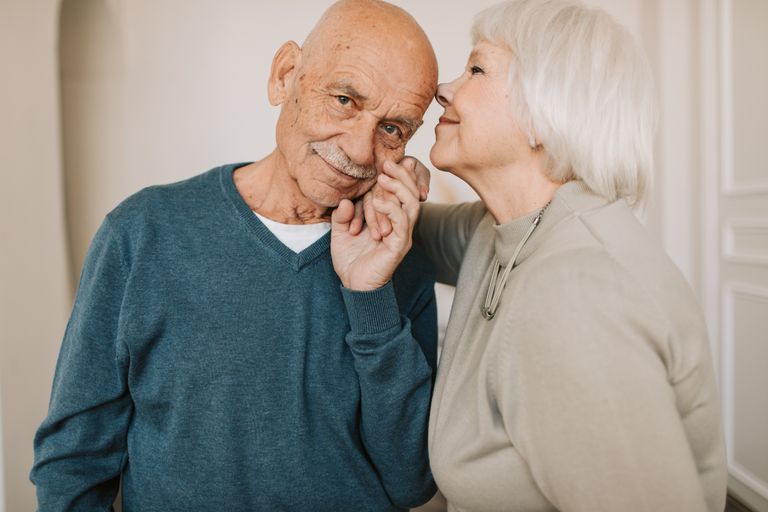
A little disagreement might not be the relationship disaster many couples fear. In fact, couples who occasionally argue may have healthier relationships than those who avoid difficult conversations altogether. The difference often comes down to what happens after the disagreement.
Every couple has moments when patience runs thin. One person forgets an important date, leaves household chores unfinished, spends too much time on their phone, or makes a comment that lands the wrong way. What begins as a minor irritation can quickly turn into an argument.
But disagreement itself does not necessarily mean a relationship is in trouble. Couples can have different opinions, challenge each other’s decisions, and express frustration while remaining deeply committed to one another.
The important distinction is between arguing to understand each other and arguing to hurt each other. When partners can repair the tension, acknowledge their mistakes, and reconnect afterward, disagreements can become opportunities to strengthen their relationship.
Disagreements Can Be Healthier Than Pretending Everything Is Fine

Some couples pride themselves on never arguing. They may see a peaceful relationship as one where both partners avoid confrontation, keep their frustrations to themselves, and quickly move past uncomfortable conversations.
However, avoiding arguments does not necessarily mean a couple has resolved its problems.
Sometimes, silence means one person has stopped expressing what bothers them. Unspoken frustrations can accumulate, especially when the same issues keep coming up without meaningful discussion.
A 2016 review published in the journal Personality and Social Psychology Review examined how communication styles affect intimate relationships. The researchers found that direct disagreement can help when couples need to address serious problems, and both partners can respond constructively.
In other words, telling your partner what’s bothering you can be more useful than pretending everything is fine. The key is communicating the problem without turning the disagreement into a personal attack.
For example, a partner who feels overlooked might explain that they would appreciate more help with household responsibilities. That conversation may be uncomfortable, but it gives the other person an opportunity to understand the problem and make a change.
The goal should not be to win every disagreement. It should be to make sure both partners feel heard.
What Happens After an Argument Matters
The moments following an argument can reveal a lot about how a couple handles conflict.
Some partners remain angry for hours, refuse to speak, or continue bringing up unrelated mistakes. Others recognize when a disagreement has gone too far and try to restore their connection.
A 2024 study published in Personal Relationships, titled But I Said I’m Sorry: Helpfulness of Romantic Couples’ Efforts to Reconcile After Conflict, examined how couples attempted to reconnect after disagreements.
The study involved 217 heterosexual cohabiting couples. Researchers used questionnaires, recorded conflict discussions, and 14 days of daily diaries to examine their communication and reconciliation efforts.
One important finding was that attentive listening during everyday disagreements was associated with more helpful attempts to repair the relationship afterward.
The researchers examined strategies that included active repair and letting go. These approaches involve making efforts to reconnect and move forward rather than letting every disagreement become an ongoing source of tension.
This does not mean saying sorry automatically fixes everything. An apology is more meaningful when it acknowledges what happened and is accompanied by a willingness to do better.
For couples, making up should involve more than exchanging affectionate messages or acting as though nothing happened. It should also mean understanding why the argument occurred and considering how to avoid repeating the same problem.
Healthy Arguments Are Different From Hurtful Fighting
A big difference exists between couples who disagree and couples who repeatedly hurt each other during arguments.
Healthy disagreements allow partners to express frustration without attacking each other’s character. Both people can explain their perspectives, ask questions, and acknowledge that they may have contributed to the problem.
Unhealthy fighting often involves insults, humiliation, threats, intimidation, and deliberately bringing up a partner’s insecurities.
For example, disagreeing about spending habits is a normal relationship issue. Calling a partner useless because of how they manage money turns a practical disagreement into a personal attack.
A 2017 longitudinal study published in the Journal of Social and Personal Relationships examined conflict recovery among 100 couples and followed their relationship satisfaction and stability over time.
The researchers found that negative behavior after conflict, including continuing to dwell on the disagreement, was associated with poorer relationship outcomes. Their findings also highlighted the importance of how partners behaved when trying to move beyond an argument.
This distinction matters because frequent fighting is not automatically a sign of a strong relationship. Couples who constantly argue without listening, changing their behavior, or resolving important issues may be creating more distance.
The goal isn’t to argue more often. It is to handle unavoidable disagreements in ways that preserve respect and emotional connection.
Taking a Break Can Prevent an Argument From Getting Worse
Not every disagreement needs to be settled immediately. Sometimes, both partners become too frustrated to listen properly, and continuing the conversation only makes things worse.
Taking a short break can give each person time to calm down and think about what they actually want to communicate.
This is different from giving someone the silent treatment. A healthy break comes with reassurance that the conversation will continue when both people are ready.
For example, someone might say, “I’m upset right now, and I don’t want us to say things we regret. Can we talk about this after dinner?”
That simple statement communicates a need for space without making the other person feel abandoned.
Research published in Psychological Science in 2011 examined conflict recovery among young adults and their romantic partners. The study found that having a partner who recovered more effectively after conflict was associated with more positive relationship emotions. It also found a relationship between partners’ recovery abilities and relationship stability over time.
The research suggests that knowing how to step away from an argument and reconnect afterward is an important relationship skill.
Learning to Apologize Can Change the Way Couples Fight
One of the biggest obstacles to resolving disagreements is the desire to be right.
Sometimes, both partners become so focused on proving their points that they forget they are supposed to be on the same team. Even when one person recognizes their mistake, pride can make apologizing difficult.
A sincere apology does not mean accepting responsibility for everything that went wrong. It means acknowledging your part in the disagreement.
Couples can make this easier by avoiding defensive responses such as “You started it” or “You’re always doing this.”
Instead, they can try statements such as:
- “I understand why that upset you.”
- “I should have handled that differently.”
- “I didn’t realize how that sounded.”
- “Can we find a better way to handle this next time?”
These statements don’t magically solve every relationship problem, but they can lower defensiveness and reopen communication.
Importantly, apologies should be followed by action. If the same behavior keeps happening, repeatedly saying sorry without making changes can eventually weaken trust.
Couples Should Not Confuse Peace With Compatibility
Two people do not need identical personalities, interests, or opinions to build a lasting relationship.
One partner might enjoy spending weekends at home, while the other prefers social activities. They might have different approaches to saving money, raising children, managing responsibilities, or spending time with family.
These differences can create disagreements, but they do not automatically mean the relationship is incompatible.
A 2018 longitudinal study published in the Journal of Family Psychology examined five waves of data involving 3,405 couples. Researchers investigated how conflict patterns related to relationship satisfaction and perceived instability.
The findings showed that more frequent conflict and withdrawal behaviors were associated with lower future relationship satisfaction. Constructive communication, meanwhile, was key to understanding how couples experienced disagreements.
This is a useful reminder that compatibility is not simply about how often two people agree. It also involves whether they can discuss differences, respect each other’s perspectives, and work toward solutions.
However, couples should not use the idea that arguing is healthy to excuse constant hostility. Repeated intimidation, emotional abuse, threats, and physical violence are not normal disagreements that simply require better reconciliation.
A lasting relationship needs emotional and physical safety.
The Real Secret Is Knowing How to Reconnect
Arguments are unlikely to disappear completely from a relationship, particularly when two people share responsibilities, finances, family commitments, and everyday decisions.
What matters is whether disagreements become opportunities to understand each other or reasons to build resentment.
Couples who learn to listen, apologize, compromise, and make meaningful changes have more tools for navigating difficult moments together.
Sometimes, making up might involve a long conversation. Other times, it could mean acknowledging a misunderstanding, sharing a laugh, or simply reaching for your partner’s hand after you’ve both calmed down.
The important thing is that neither person feels their concerns were ignored.
A relationship does not have to be free of disagreements to be meaningful. But it should offer enough respect, trust, and emotional security for both people to disagree without constantly fearing what will happen next.
Perhaps the real secret to lasting love is not avoiding every argument. It is remembering that even when you disagree, you should still treat each other like people you love.