Cooking is full of little rules that seem to have been passed down from one generation to another. Some people insist that you must wash raw chicken before cooking it. Others believe that searing meat locks in its juices or that adding oil to pasta water stops noodles from sticking together.
The funny thing is that many of these tips sound perfectly reasonable. You may have followed them for years without questioning whether they actually work.
But cooking is a mixture of science, experience, and technique. Some traditional kitchen advice is helpful, while other tips make cooking harder than it needs to be.
Let’s look at eight common cooking myths and what actually happens when you put them to the test.
Searing Meat Locks in Its Juices
This is probably one of the oldest cooking beliefs. Many home cooks believe that browning meat at high temperatures creates a protective layer that keeps all the juices inside.
Unfortunately, that’s not how it works.
Searing meat does not seal in its juices. It creates a delicious brown crust that adds flavor and texture. Moisture can still escape during cooking, no matter when you brown it.
America’s Test Kitchen tested this idea by cooking steaks using two different methods. One batch was seared before going into the oven, while the other was cooked in the oven before being seared.
Both batches lost almost the same amount of moisture.
So, should you stop searing your steaks? Absolutely not. Searing is still a great way to develop flavor and create that beautiful golden-brown surface.
Just don’t expect it to lock in the juices. Cooking your meat to the right temperature and letting it rest are much more useful steps.
You Must Wash Raw Chicken Before Cooking
If you grew up watching someone wash chicken under running water before seasoning it, this habit might be hard to break.
Many people believe washing raw chicken removes bacteria, dirt, and anything else they don’t want on their food.
However, food safety experts recommend against washing raw chicken.
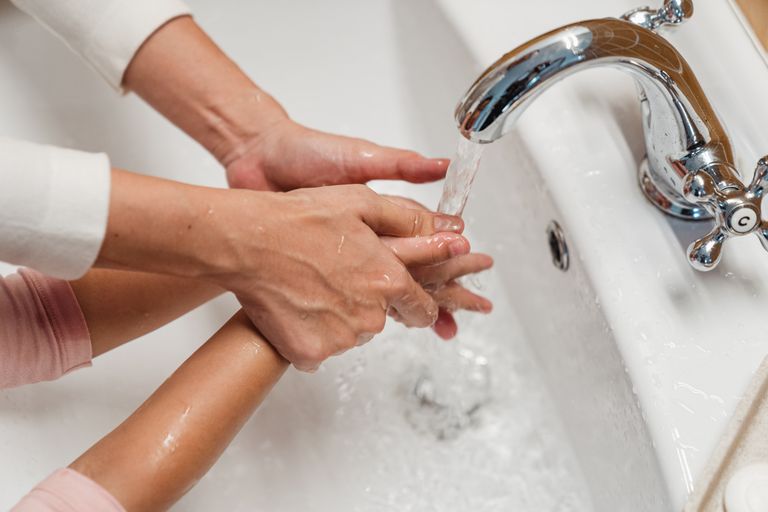
The problem is that running water can splash bacteria from raw chicken onto your kitchen sink, countertops, utensils, and nearby food. This can spread harmful germs instead of removing the danger.
The US Department of Agriculture explains that some bacteria stick firmly to raw poultry and can’t be washed away. Proper cooking is what destroys harmful bacteria.
The CDC also advises cooking chicken to an internal temperature of 165°F (74°C).
Instead of washing raw chicken, keep it separate from ready-to-eat foods, wash your hands after handling it, and clean any surfaces or utensils that come into contact with it.
You can still remove unwanted pieces or excess liquid with a paper towel if needed, then throw the towel away immediately.
Adding Oil to Pasta Water Stops Noodles From Sticking
Have you ever poured a little cooking oil into a pot of boiling water before adding spaghetti?
It’s a common kitchen habit. The idea is that oil coats the pasta and prevents the noodles from sticking together.
But this trick has a problem.
Oil mostly floats on the surface of the water. It doesn’t coat the pasta evenly while the noodles are cooking. It also does very little to prevent sticking.
In fact, oil on the pasta can make it harder for your sauce to cling to the noodles.
So, what should you do instead?
Stir your pasta during the first minute or two of cooking. This helps separate the noodles before they can stick together.
Also, use enough water to give the pasta room to move around.
And here’s another useful tip: Save a little pasta cooking water before draining. Its starch can help your sauce cling to the noodles and create a smoother finish.
You don’t need cooking oil in the pot to make good pasta.
Microwaves Destroy All the Nutrients in Food
Some people avoid microwaves because they believe the cooking process destroys the nutrients in food.
This has made microwave cooking seem like an unhealthy shortcut, especially when preparing vegetables.
However, the truth is more interesting.
All cooking methods can affect certain nutrients. Heat can break down some vitamins, but this doesn’t mean microwaves automatically destroy everything good in your food.
According to Harvard Health, microwave cooking can actually preserve more nutrients in some foods because it often requires less cooking time and less water.
For example, boiling vegetables can cause some nutrients to move into the cooking water. If you throw that water away, you also lose some of those nutrients.
Microwaving vegetables with a small amount of water can reduce this loss.
Of course, microwaving isn’t automatically better for every dish. The result depends on the food, cooking time, temperature, and amount of water used.
The next time you use your microwave to prepare vegetables or warm leftovers, you don’t need to feel guilty.
Mushrooms Should Never Be Washed With Water
Mushrooms have a reputation for being little sponges. That’s why many cooks believe washing them under running water will make them absorb too much liquid.
Instead, they recommend wiping every mushroom individually with a damp cloth or paper towel.
But does this really need to be a strict rule?
Not necessarily.
You can briefly rinse fresh mushrooms under running water to remove dirt. They don’t instantly absorb so much water that they become impossible to cook.
A recent Good Housekeeping article featuring food experts also challenged the idea that mushrooms should never be rinsed.
What matters is what you do afterward.
Pat the mushrooms dry with a clean towel before cooking. If you’re trying to brown them, avoid overcrowding the pan. Too many mushrooms in one pan can release moisture faster than it evaporates, leaving them to steam instead of brown.
So, you don’t have to spend ages wiping every mushroom individually.
A quick rinse, proper drying, and enough space in the pan can do the job.
Adding Salt to Water Makes It Boil Much Faster
You’ve probably heard someone say that adding salt to water helps it boil faster.
This sounds logical, especially when you’re trying to prepare dinner quickly.
However, salt doesn’t make water boil noticeably faster.
Adding salt does raise water’s boiling point slightly. But at normal cooking concentrations, the difference is so small that it doesn’t meaningfully affect your cooking time.
So why do cooks still add salt to boiling water?
Flavor!
When you add salt to pasta water, for example, the pasta absorbs some of that seasoning as it cooks. This helps the noodles taste better from the inside instead of relying entirely on the sauce for flavor.
The same principle applies to certain vegetables and other foods cooked in water.
The takeaway is simple: Add salt because you want better flavor, not because you’re trying to make water boil faster.
You Should Never Open the Oven While Baking
Many people believe opening the oven door while baking will ruin whatever is inside.
You’ve probably heard warnings about cakes collapsing, cookies failing to rise, or bread becoming flat simply because someone opened the oven too early.
There’s some truth to this advice, but it isn’t an absolute rule.
Opening the oven door allows heat to escape, which temporarily lowers the temperature inside. For delicate baked goods, sudden temperature changes can affect how they rise and set.
However, that doesn’t mean opening the oven door once will automatically destroy your cake.
The bigger concern is opening it repeatedly or leaving it open for too long, especially during the early stages of baking.
If you’re baking a delicate sponge cake or soufflé, keep the door closed until the structure has had time to develop.
For roasted vegetables, casseroles, and many other dishes, opening the oven briefly to check on the food or turn a tray is usually perfectly fine.
The lesson? Don’t treat your oven like a museum display, but don’t keep opening it to admire your cooking either.
Potatoes Are the Best Way to Remove Too Much Salt From Food
Have you accidentally added too much salt to your soup or stew?
Someone may have suggested dropping a peeled potato into the pot to absorb the extra salt.
It’s a popular kitchen trick, but it doesn’t work in the magical way people expect.
A potato can absorb some of the salty liquid around it, but it doesn’t selectively pull salt out of your food.
In other words, you’re not removing the salt. You’re simply adding another ingredient that absorbs some of the liquid.
If your soup is too salty, there are more practical ways to improve it.
Depending on the recipe, adding unsalted broth, water, or more of the main ingredients can help spread the salt across more food.
You can also balance the flavors with ingredients that complement the dish.
And if you’re making a stew, adding more vegetables or other unsalted ingredients may help.
The next time someone recommends throwing a potato into an overly salty pot, remember that it isn’t a special salt-removal tool.
Cooking doesn’t have to be complicated, and not every traditional kitchen tip deserves to be followed blindly.
Some old habits have a useful purpose, while others are simply misunderstandings that have been repeated for years.
The best approach is to understand what each cooking technique actually does. Salt your pasta water for flavor, sear meat for a delicious crust, and skip washing raw chicken.
And perhaps most importantly, don’t be afraid to question kitchen advice just because someone has been following it for decades. Sometimes, the best cooking lesson is learning which rules you can finally stop following.