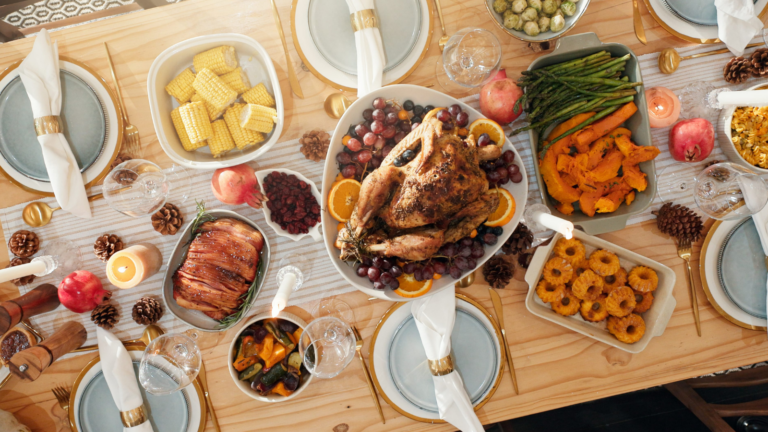
Halfway through a holiday open house, the mashed potatoes are down to a scraped corner and the meatballs are running low. The natural move is to grab the pot from the stove and spoon more on top, but food safety officials say that habit is exactly the one to break.
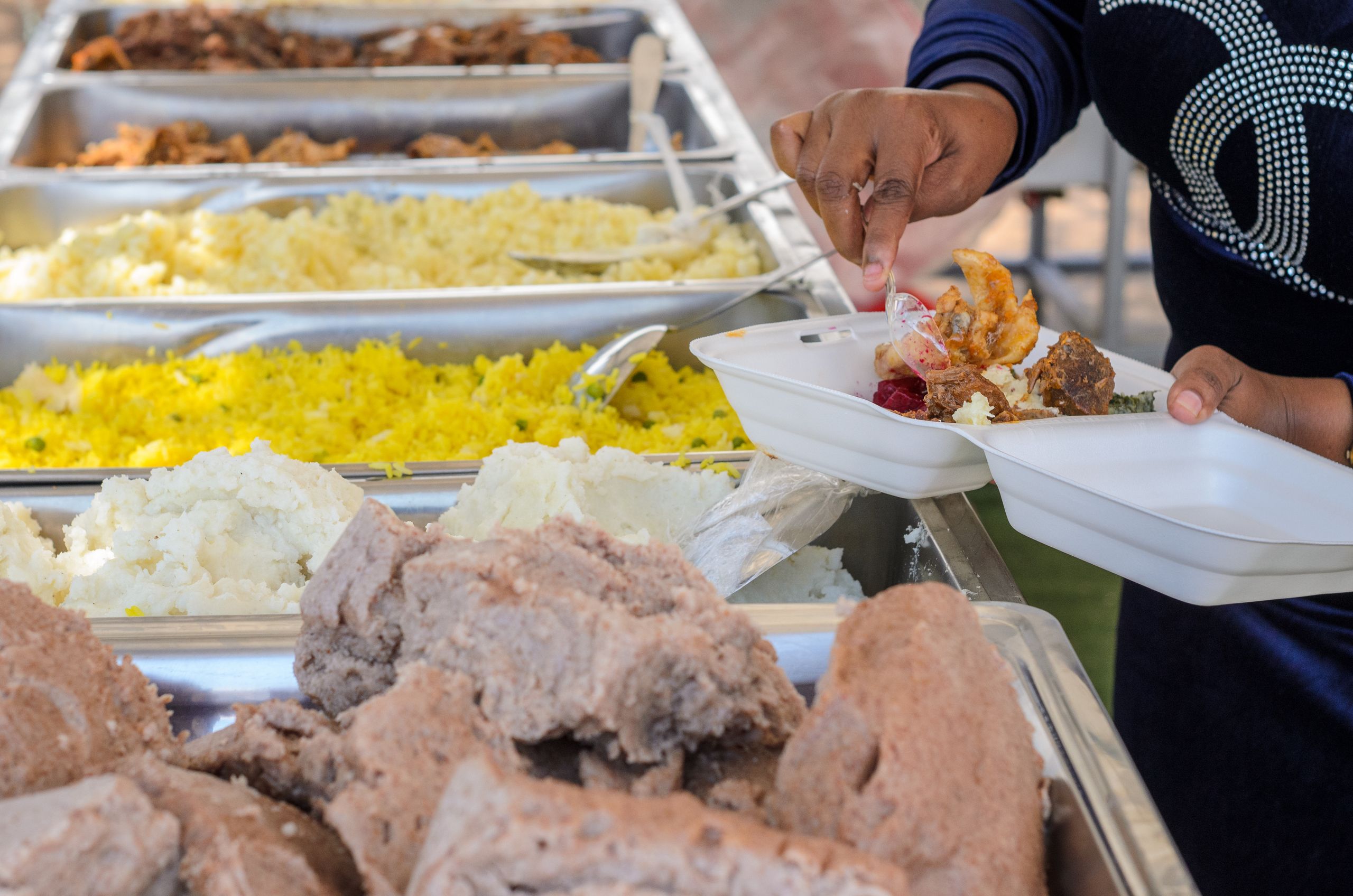
The U.S. Food and Drug Administration’s party guide tells hosts not to add new food to a serving dish that is already out. Instead, it says to replace a nearly empty dish with a freshly filled one, and to keep the backups ready in the refrigerator or in an oven set between 200°F and 250°F until it is time to swap them in.
Why Topping Off a Dish Is the Wrong Move
The guidance comes from the FDA’s consumer page Serving Up Safe Buffets. Under a section it calls “Keep It Fresh,” the agency says not to add new food to an already filled serving dish and to swap in a fresh one instead. The reason, according to the FDA, is that during a party, many hands reach into the same platters, and food that has been sitting at room temperature can lose its margin of safety.
Piling fresh food onto older food mixes the two, so the new portion effectively inherits the time the old portion has already spent on the table. A full swap resets the clock. Utah State University Extension professor Kathleen Riggs made the same point in a holiday buffet column, writing that hosts should replace empty platters rather than add fresh food to a dish that already held food, because many people’s hands may have been taking from it.
Plan Several Small Platters Instead of One Big One
The swap only works if there is something to swap in. The FDA’s guide recommends keeping buffet portions small when it is hard to predict how quickly guests will eat. Hosts can prepare a number of small platters and dishes ahead of time and rotate them out through the party.
That approach has a bonus: according to the FDA, late-arriving guests get to enjoy the same fresh-looking arrangements as the early ones. It also tends to cut waste, since a smaller dish that empties fast does not leave a big half-eaten tray to toss at the end of the night. Hosts who hate throwing food away will recognize the instinct from this look at people who never let leftovers go to waste.
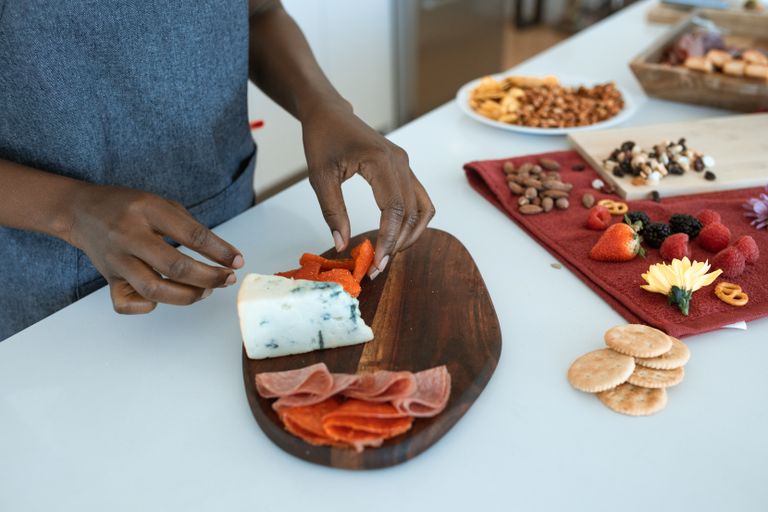
For a family table, that might mean splitting a big batch of baked ziti into three smaller pans, or arranging two half-size cheese boards instead of one large board. Practical shortcuts like these line up with many of the clever kitchen tricks for home cooks that save time on a busy day.
Hold the Hot Backups in a 200°F to 250°F Oven
For hot dishes, the FDA says to keep the backups in an oven set at 200°F to 250°F until serving. The University of Nebraska-Lincoln’s holiday food safety tips give the same range, approximately 200°F to 250°F, and the same advice: prepare extra serving dishes ahead, keep them warm in the oven, then replace empty platters rather than refilling them.
The goal is to keep the hot food at 140°F or warmer, the FDA’s minimum for hot foods on a buffet. A food thermometer is the only way to be sure. Ovens tend to be crowded on a holiday, so some hosts lean on countertop appliances to keep dishes warm; this comparison of air fryers and toaster ovens that free up the oven walks through a few options.

Keep the Cold Backups in the Refrigerator
Cold dishes follow the mirror-image rule. The FDA says to store cold backup dishes in the refrigerator until it is time to put them out, and to keep cold foods at 40°F or colder. If a cold dish will stay on the buffet table longer than 2 hours, the agency suggests setting the plates on ice to hold the chill.
The UNL guide suggests nesting serving dishes in bowls of ice or using small trays that get replaced often. A deviled-egg platter, a shrimp ring or a bowl of potato salad all work better as a series of smaller servings pulled from the fridge than as one big dish that sits out all evening.
Watch the 2-Hour Clock
Swapping dishes works hand in hand with what the FDA calls the 2-hour rule: discard any perishable food left out at room temperature for more than 2 hours unless it is being kept hot or cold. If the party is somewhere warmer than 90°F, the safe window shrinks to 1 hour.
The same clock applies to leftovers. The FDA says leftovers, including any sent home with guests, should be refrigerated within 2 hours. Hosts packing up plates at the end of the night can mention it as they hand them out, a small courtesy that fits the warm habits of people who host every year.
A Long Tradition, a Simple Fix
Self-serve spreads have a long history. According to Wikipedia’s entry on buffets, the format ranges from the Swedish smörgåsbord to the fixed-price restaurant spread, and holiday open houses are a natural fit for it. The tools have changed too: Wikipedia’s article on the chafing dish describes a serving pan on a stand with a burner beneath, used to keep buffet dishes warm.
The FDA’s fix is easy to remember. Put out small dishes, keep the next round waiting in the fridge or a 200°F to 250°F oven, and when a platter runs low, take it away and set down a fresh one rather than topping it off. Families who love old-school party spreads, like the ones in these foods many boomers loved, can keep the tradition and the timing.
This article was produced with AI assistance and edited for accuracy against the sources linked above.