December brings open houses, office parties and cookie exchanges, and many of them run on a buffet that stays out for hours. The U.S. Food and Drug Administration’s guide to safe buffets lays out clear numbers for hosts: make-ahead quiches and other egg dishes need a reheat to 165°F, and cold platters belong on ice if they will be out longer than 2 hours.
Here are the FDA’s 5 party buffet rules, from how to set up the table to what to do with leftovers when the last guest leaves.

1. Serve Small Platters and Swap Them Out
Holiday hosting season is busy, between Christmas party games, gift swaps and long buffets, and guests who settle into a quiet corner at holiday parties may graze for hours. The FDA’s “Serving Up Safe Buffets” guide says hosts who are not sure how quickly food will be eaten should keep buffet portions small. Its advice is to prepare a number of small platters and dishes ahead of time and replace the serving dishes with fresh ones throughout the party.
Back-up dishes should wait in the right place: cold ones in the refrigerator and hot ones in an oven set between 200°F and 250°F until they are needed. That way, the FDA says, late-arriving guests get the same food as the early arrivals. The agency also says not to add new food to a serving dish that already has food in it; instead, replace a nearly empty dish with a freshly filled one. Hosts short on oven space can look at countertop options, as in a comparison of air fryers and toaster ovens that free up the oven.
2. Hold Hot Foods at 140°F or Warmer
Hot buffet foods should stay at an internal temperature of 140°F or warmer, according to the FDA, and a food thermometer is the way to check. Chafing dishes, slow cookers and warming trays can all keep food hot on the table.
There is a catch. The FDA warns that some warmers only hold food at 110°F to 120°F, so hosts should check the product label to make sure a warmer can keep food at 140°F or above. Meatballs, dips and casseroles that sit in an underpowered warmer all evening do not meet that mark. A quick round of kitchen checks before guests arrive is a good time to test the warmers too.
3. Reheat Make-Ahead Quiches to 165°F
Egg dishes are a holiday brunch and party favorite because they can be made ahead. The FDA says eggs and egg dishes, such as quiches or souffles, may be refrigerated for serving later but should be thoroughly reheated to 165°F before serving.
That rule applies to mini quiches on an appetizer tray as much as a full pie. A thermometer slipped into the center of one piece tells the host whether the batch is ready. Quiches baked the day before and chilled overnight are a smart way to save time on party day, as long as they go back into the oven long enough to reach that temperature all the way through. The FDA also suggests adapting older family recipes that use raw or lightly cooked eggs, such as homemade eggnog, custards or chocolate mousse, by heating the egg mixture to 160°F, or by using pasteurized eggs or store-bought versions that are already cooked or pasteurized.
4. Keep Cold Foods at 40°F and Put Platters on Ice After 2 Hours
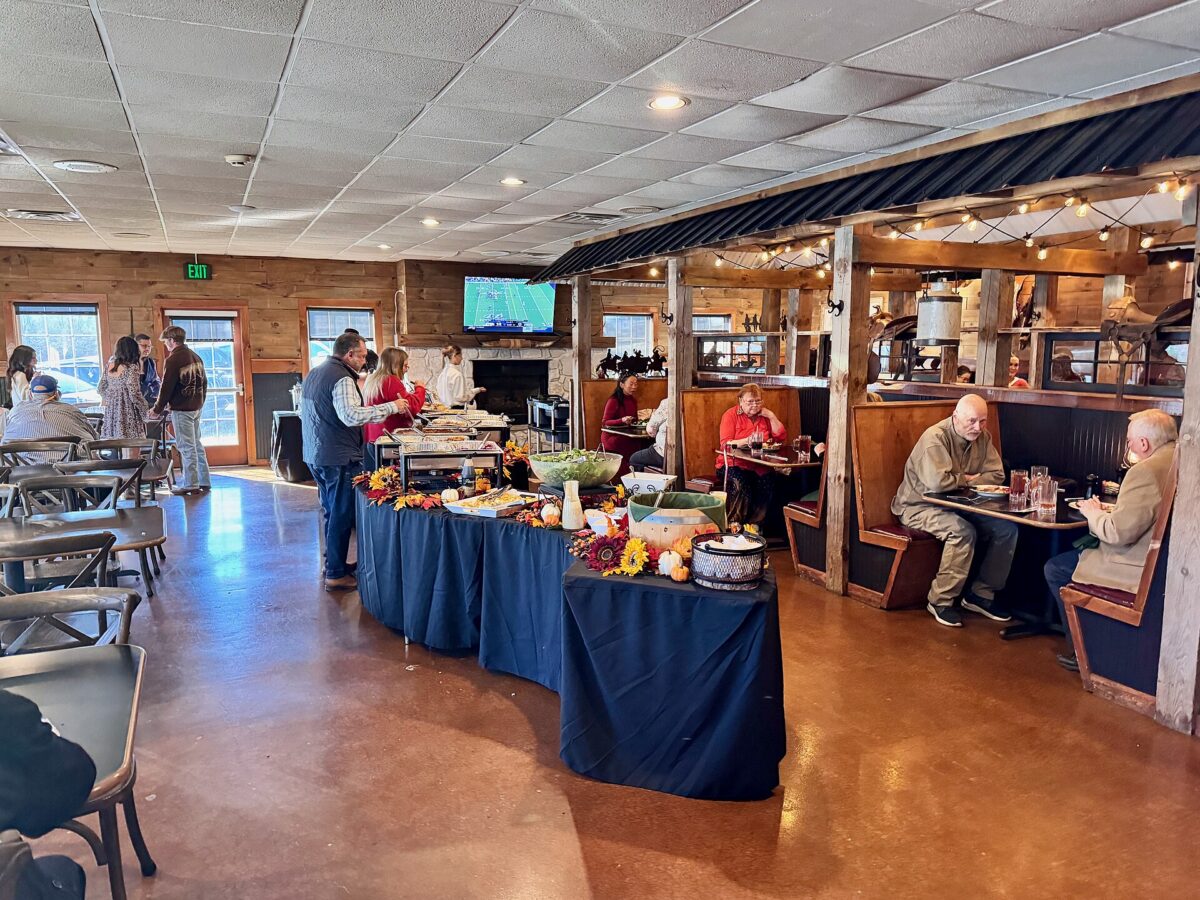
Cold foods should be kept at 40°F or colder, the FDA says, and they should stay in the refrigerator until serving time. If a cold platter, such as shrimp cocktail, deviled eggs, a cheese board or a tray of sandwiches, will be on the buffet table longer than 2 hours, the FDA says to set the plates on ice to keep them chilled.
A large tray filled with ice under a smaller serving platter works well, and so does a bowl nested in a larger bowl of ice for dips and salads. Drinks stations need ice too, and a guide to building a holiday drinks station with a countertop ice maker can help keep both covered.
5. Follow the 2-Hour Rule, and 1 Hour Above 90°F
The FDA’s 2-hour rule is simple: discard any perishable food left out at room temperature for more than 2 hours, unless it is being kept hot or cold. If the buffet is somewhere warmer than 90°F, the safe holding time drops to 1 hour. The agency notes that food on a buffet can be handled by many guests over a long party, which is another reason to keep platters small and rotate them often.
Leftovers follow the same clock. Whether hosts are sending plates home with guests or saving food for themselves, the FDA says leftovers should be refrigerated within 2 hours, and as soon as guests get home. Kansas State University Research and Extension’s buffet food safety fact sheet is another resource for planning home entertaining.
A kitchen timer set when the food goes out is an easy way to track the 2 hours, especially once the party gets busy. A simple plan covers all five rules: make small platters ahead, keep back-ups in the refrigerator or a 200°F to 250°F oven, check warmers with a thermometer, set cold trays on ice, reheat egg dishes to 165°F and pack up leftovers within 2 hours. With that in place, the host can spend more of the evening with guests and less of it guarding the buffet table.
This article was produced with AI assistance and edited for accuracy against the sources linked above.