Winter storm season is arriving, and the National Weather Service keeps a short list of what to stash before the first big snow. Much of it is food, and the agency’s picks are simple: things that need no stove and no refrigerator.
For the house, the weather service suggests extra food such as dried fruit, nuts and granola bars. For the car, its winter storm survival kit includes non-perishable food and one item many drivers never think about: a small can and waterproof matches, so snow can be melted into drinking water if a vehicle gets stranded.

The At-Home Food List: No Cooking, No Refrigeration
On its winter storm preparedness page, the National Weather Service says the main concerns at home or at work during a storm are losing heat, power and phone service, and running short on supplies if the storm lasts more than a day. Its answer for the pantry is extra food and water, naming dried fruit, nuts, granola bars and other foods that require no cooking or refrigeration.
That rule is the useful part. Dried fruit, such as raisins, apricots and dates, has had most of its water removed, which is why dried fruit has been a traveler’s and storekeeper’s staple for centuries. Granola and granola bars, built on rolled oats, nuts and a sweetener, are made to be eaten straight from the wrapper. Both fit the weather service’s standard of food that is ready the moment the lights go out.
The same list reminds households to set aside extra pet food. Families who travel with animals over the holidays will recognize that need from a Frenz Hub guide to surviving road trips with a dog, where packing the dog’s food and water comes first.
What Else the Weather Service Puts Beside the Food
The household list is short. Alongside the food and water, the weather service names a flashlight with extra batteries, a battery-powered NOAA Weather Radio, baby items such as diapers and formula, heating fuel topped off before it runs out, a properly ventilated emergency heat source, a fire extinguisher and working smoke alarms, and extra pet food with warm shelter for pets.
It also warns never to run a generator in an enclosed space and to keep the carbon monoxide detector’s outside vent clear of leaves and snow. A report during the Thanksgiving nor’easter made the same point, noting that generators belong at least 20 feet from the house.
Where to keep all of it matters, too. A pantry shelf or a clearly labeled bin by the back door works better than a scattered drawer, and the basics of seasonal storage apply just as well to a storm box as to holiday decorations.
Long winter drives make the case for packing food in the car at all. Holiday road trips often run through stretches where the next exit has little to offer, a reality any reader of Frenz Hub’s ranking of the worst American tourist attractions will appreciate. A bag of nuts and dried fruit in the glove box beats waiting out a closed road on an empty stomach.
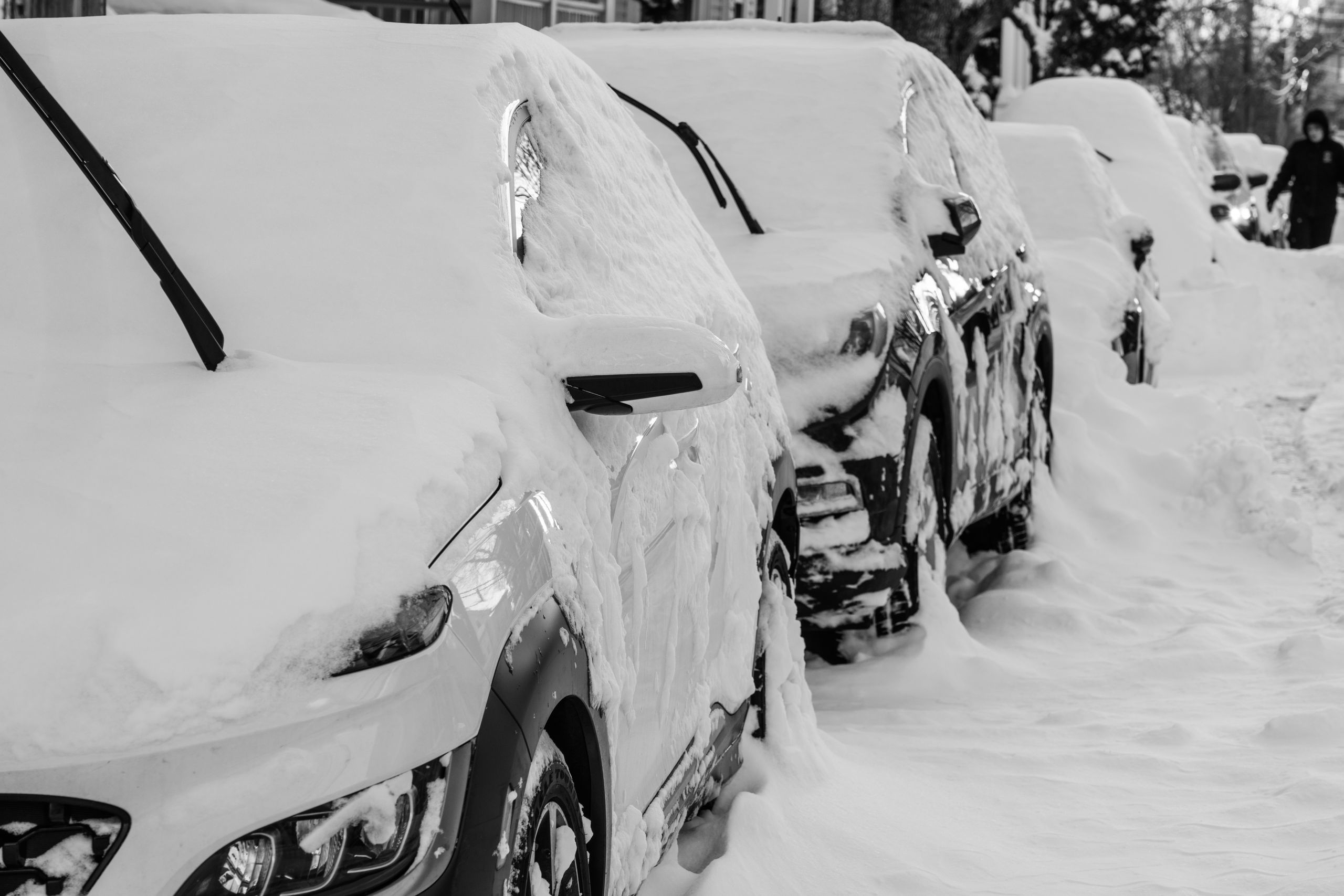
The Car Kit: A Small Can and Waterproof Matches
The weather service sees the car as a second pantry. Its Winter Storm Survival Kit for vehicles lists a mobile phone with charger and batteries, a flashlight, non-perishable food, extra clothing, a large empty can for emergency toilet use with tissues and paper towels, a sack of sand or cat litter for traction, a windshield scraper and brush, a candle and matches for light, and a compass and road maps rather than relying on a phone’s battery.
The kitchen-minded item on that list is the small can and waterproof matches, which the agency includes to melt snow for drinking water. It is a reminder that a stranded driver can run out of water long before running out of snacks. A metal can that has been emptied, cleaned and packed with the matches inside takes up almost no room in the trunk. Before packing anything else, a list of things that should never be left in a car overnight in freezing weather is worth a look.
What Should Stay Out of the Car
Not every food belongs in a cold vehicle overnight. Canned drinks and some jarred foods can freeze and burst, so they are a poor choice for a trunk kit. Foods that tolerate cold, such as dried fruit, nuts and wrapped bars, are the better fit, and they match what the weather service recommends.
The agency also advises drivers to keep the gas tank near full to avoid ice in the tank and fuel lines, to let someone know the route and timetable, and to call 511 for road conditions before leaving. If travel is unavoidable during a blizzard warning, its guide to winter warnings, watches and advisories says to carry a winter survival kit and, if stranded, to stay with the vehicle and wait for help.
Building Both Kits Before the First Storm
The American Red Cross makes a similar case in its winter storm preparedness guide, urging households to gather food and water before a storm because stores may close and travel may be unsafe. It suggests at least 1 gallon of drinking water per person per day and a stay-at-home kit that covers at least two weeks.
Taken together, the weather service’s two lists come down to a short shopping trip: dried fruit, nuts and granola bars for the house, a second stash of shelf-stable food for the car, and one small can with waterproof matches that could turn a snowbank into drinking water.
This article was produced with AI assistance and edited for accuracy against the sources linked above.