The turkey leftovers are barely put away, and for many households the next big family meal is already on the calendar. Between Thanksgiving and New Year’s, grown children head home, parents set extra places, and the dinner table becomes the room where everyone spends the most time together.
That is exactly where old habits tend to return, according to Nari Jeter, a licensed marriage and family therapist at Florida State University. In tips published by the university on Nov. 10, 2026, she laid out 6 ways relatives can keep holiday meals from sliding back into the same patterns, and one of them is simply walking away from a conversation that is going nowhere.
Why the Dinner Table Brings Old Roles Back
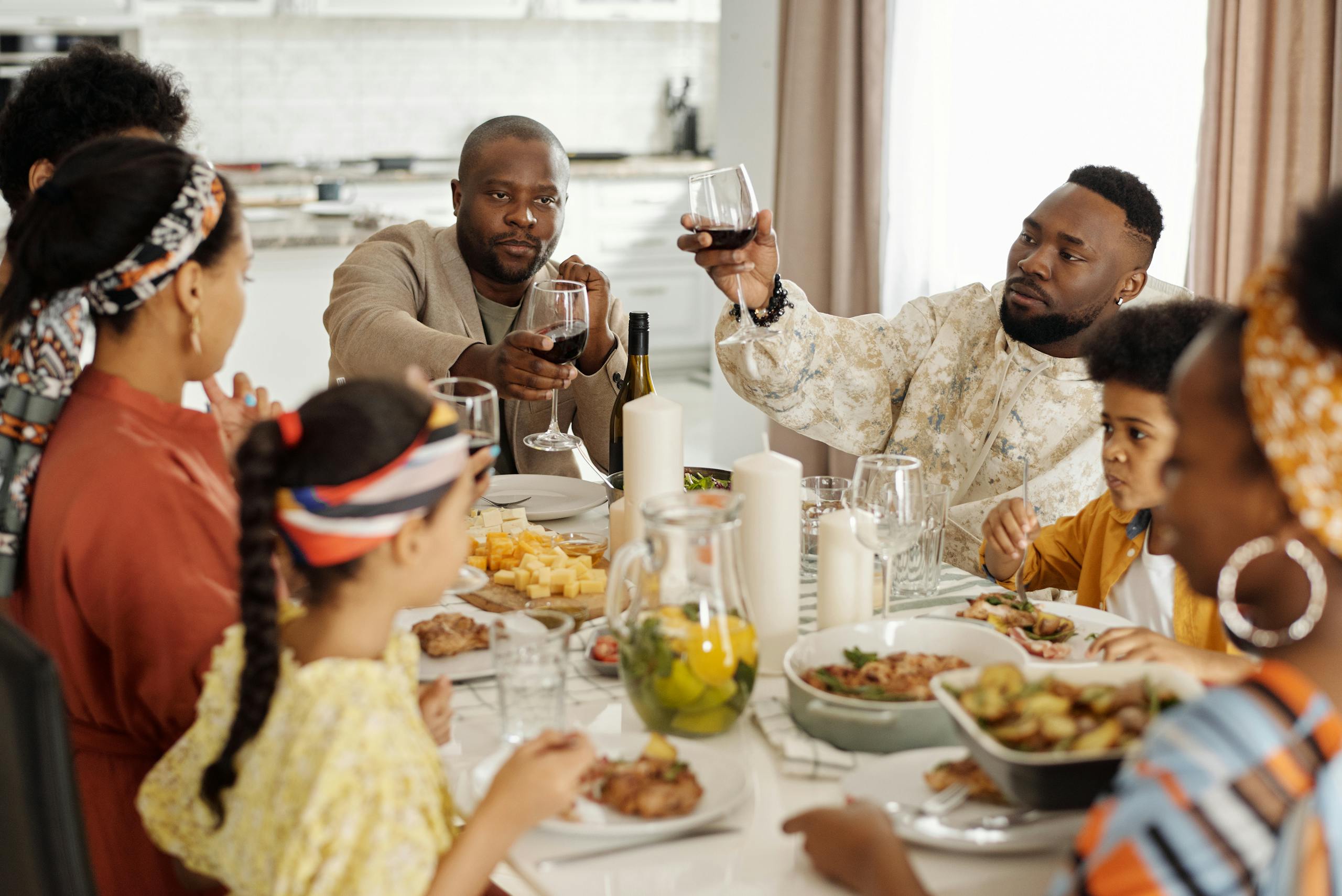
Jeter’s starting point is that family meals have a way of pulling everyone back in time. In the Florida State University News release, she explained that holiday gatherings can cause families to fall back into familiar roles and communication patterns, and that meals in particular bring those dynamics to the surface as parents and adult children return to earlier ways of interacting.
“Even when people are adults, they often fall back into those familiar family roles,” Jeter said. She added that generations can define respect differently: older relatives may link respect with obedience, while younger ones tend to care more about feeling understood. That gap can show up over something as small as who carves the roast or whose stuffing recipe makes the table.
The setting matters too. The family meal has long been seen as the anchor of household life, and the season’s big spreads, from the turkey to the Christmas dinner roast, put more people at one table for longer than at almost any other time of year. Every household has its own rituals around those meals, and some of them look a little unusual from the outside, as a Frenz Hub roundup of odd American traditions that confuse the rest of the world shows.
1. Set Clear Boundaries Before the Meal
Jeter lists establishing clear boundaries first among her strategies. The idea is to decide ahead of time which topics, requests or habits are off the table, rather than improvising once the plates are full.
Dallas therapist Beth Reeder Johnson made a similar point in a KERA interview shared by High Plains Public Radio on Nov. 25, 2026. She said she asked her own parents, gently and well before the holiday, to avoid heated arguments, and that she spoke to each of them separately. In her description, a boundary is a statement of what a person is and is not willing to do, not a rule handed to someone else, and it only works when it is kept.
2. Manage Expectations
Managing expectations is the second piece of Jeter’s advice. A host who pictures a flawless dinner, or a guest who expects a parent to suddenly change, is setting up the meal for disappointment.
Reeder Johnson framed it around the point of the gathering itself. “It’s actually joy,” she said of the goal. “It’s to spend time, to have connection.” Hosts who have done this for years tend to know it already; a recent piece on the traits people who host Thanksgiving every year share describes how seasoned hosts let small things go. Some families are even trimming the to-do list, as a look at the Thanksgiving traditions many millennials are quietly dropping shows.
3. Aim for a Productive Conversation, Not a Win
Jeter encourages families to focus less on winning disagreements. In her view, acknowledging a relative’s concern while also stating personal limits can stop a minor disagreement over dessert or politics from turning into a larger conflict.
Reeder Johnson’s version is to get curious instead of defensive, asking a relative what excites them about a view rather than arguing the point. Lighter shared activities help, too; plenty of families keep a few Christmas party games ready for the stretch between the main course and pie, and some of the season’s oddest customs survive precisely because families agree to disagree about them, as a Frenz Hub list of strange Thanksgiving traditions everyone pretends aren’t weird points out.
4. Accept That Relatives See Things Differently
“Maintaining peace within a family doesn’t require everyone to agree,” Jeter said. She described the goal as accepting that relatives hold different beliefs while still showing one another respect, whether the topic is politics, personal relationships or how the gravy should be made.
That acceptance can extend to the food as well. AARP, in its own guide to family dynamics during the holidays, notes that parents should not assume a grown child still loves the same dishes from childhood. A favorite casserole from 1995 may not be a favorite anymore, and that is fine.
5. Walk Away From a Conversation That Is Going Nowhere
The tip that gives the advice its edge is permission to leave. Jeter said ending a conversation, taking a break or choosing not to engage can be the right move. “Walking away from a conversation that isn’t productive isn’t a weakness,” she said.
In practice, that might mean stepping into the kitchen to start the coffee, offering to wash the serving dishes, or taking a walk around the block before dessert. Nobody at the table has to announce it as a strategy.
6. Take Time to Recharge Without Guilt
Jeter’s final point is that constant socializing and competing expectations can leave even close relatives drained. She recommends taking time to recharge so people can rejoin family activities in a better frame of mind.
“Needing a break should not create guilt,” she said. “Family members should feel comfortable saying they need some downtime without being criticized or pressured to continue socializing.” A quiet half hour with a cup of coffee on the porch can do more for the evening than forcing one more round of conversation.
Why It Matters Before the Next Big Meal
None of Jeter’s 6 tips requires a family to change who it is. They ask relatives to plan a little, expect a little less perfection, and step away from the table before a disagreement takes over the meal. With Christmas and New Year’s dinners still ahead, the Florida State therapist’s advice offers a simple way to keep the focus on the food and the people around it.
This article was produced with AI assistance and edited for accuracy against the sources linked above.