A text that says a package is waiting and just needs a quick click to schedule pickup can look completely ordinary during the holidays, when doorsteps fill with gifts, mail-order sweets and grocery deliveries. Pennsylvania’s top law enforcement officer says that is exactly why scammers send them.
In a holiday consumer alert issued Nov. 25, 2026, Attorney General Dave Sunday warned that fake package-pickup messages rise during the holiday season and urged Pennsylvanians never to click links in texts or emails they did not request. His office laid out 8 tips for safer holiday shopping, giving and travel, and listed its consumer complaint line, 1-800-441-2555.
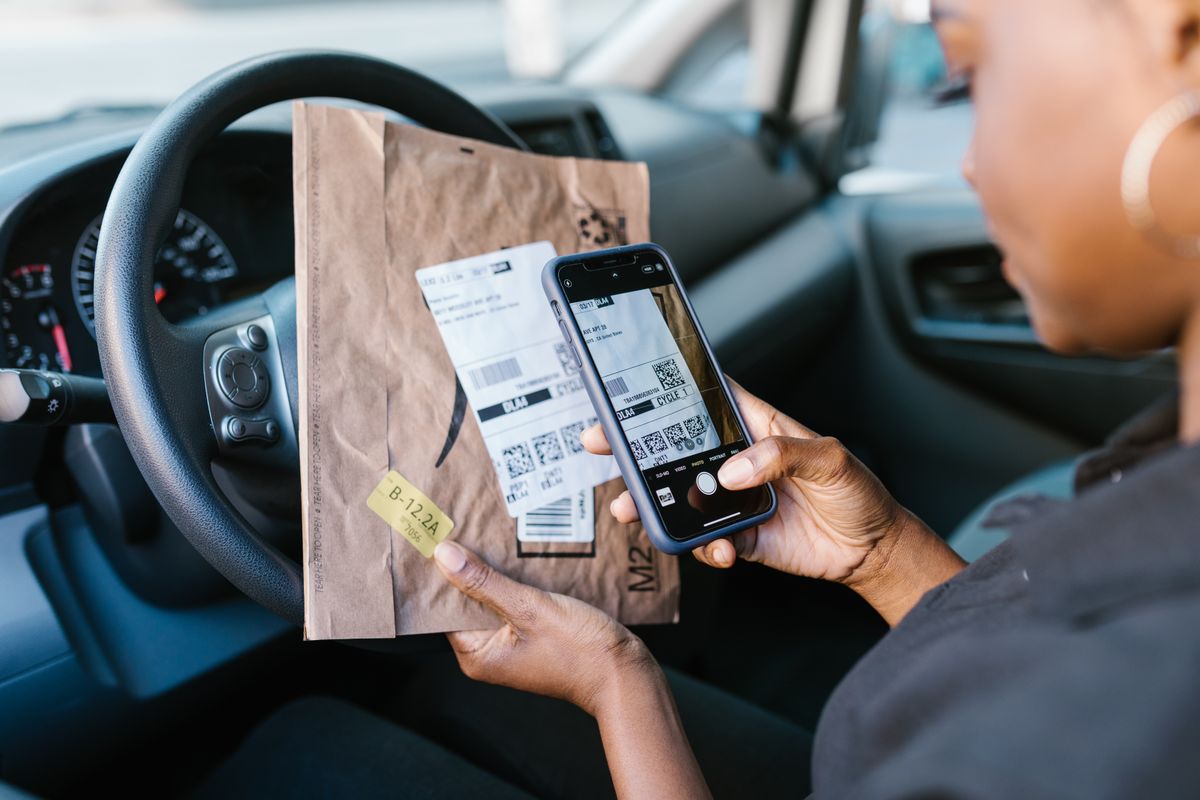
The Package-Pickup Text Trick
According to the Pennsylvania Office of Attorney General, the holidays always bring an uptick in “delivery scams,” often by text message, claiming a package is available for pickup but that the recipient must click a link to get it. The office’s Bureau of Consumer Protection says the safe move is not to click at all.
AARP describes the same pattern in its guide to fake USPS, FedEx and UPS delivery texts, updated Oct. 28, 2026. Warning signs include an unexpected message asking to fix an address, pay a fee or hand over personal information. AARP’s advice is to skip the link, go directly to the delivery company’s official website, check any tracking number there, and never hand over personal or payment details in response to the text. A real carrier will have the same tracking information on its own site, so there is nothing to lose by checking there first.
The same caution applies to messages that look like they come from a grocery or meal delivery service. If an order is real, its status will show up in the store’s own app or account, and any problem can be sorted out by calling the store directly rather than replying to a text.
In announcing the tips, Sunday said scammers try to create pressure so targets act before they have time to think, and he urged shoppers to stop and think before sending money when a deal or donation request seems too good to be true. Checking twice before paying is the same instinct behind many frugal living tips.
The Attorney General’s 8 Tips
The Bureau of Consumer Protection offered these 8 tips for the holiday season:
- Watch the websites visited. Some ads lead to a fake copy of a real retailer’s site. The office says the safest route is to go directly to the company’s home page.
- Be wary of “sponsored posts.” Promoted listings on Google, Facebook and other sites may be selling goods or services that are not what they seem.
- Never pay with gift cards or cryptocurrency in response to unexpected requests. Gift cards, the office notes, are meant as gifts.
- Consider a credit card instead of a debit card. Credit cards may offer added protection for reimbursement after an online scam, and the office suggests asking the card issuer about chargebacks.
- Never click links that were not requested in texts or emails, including the package-pickup messages that spike in the holidays.
- Verify charities before giving. The office points to CharityWatch, Charity Navigator and Candid, and recommends donating through a charity’s own website or by phone rather than through a link.
- Double-check travel bookings. Instead of clicking links about reservations, contact the hotel or airline directly, and read the booking carefully for added “junk fees.”
- Research pet sellers. Before buying or adopting a pet online, check the seller, breeder, inspection records and veterinary records, and watch for complicated financing with high interest rates.
Many of these habits overlap with everyday money sense, the kind of careful spending found among the household money habits many boomers still keep. They also apply to mailed food gifts and holiday orders, which arrive in the same busy weeks as everything else.
Where to Report a Scam: 1-800-441-2555
Anyone in Pennsylvania who believes they were scammed can file a complaint with the Office of Attorney General’s Bureau of Consumer Protection online, by calling 1-800-441-2555, or by emailing [email protected]. The office says the sooner a scam is reported, the better the chances of recovering money or stopping the scheme. Urgent situations should go to local police right away.
Online scams can also be reported to the FBI’s Internet Crime Complaint Center at ic3.gov. For people who want to talk through a suspicious message, the release points to the AARP Fraud Watch Network Helpline at 877-908-3360, which is free.
Keeping those numbers on a list on the refrigerator, next to the holiday grocery list, makes them easy to find when a strange text arrives. Shoppers who already plan ahead, like people who write a grocery list before every trip, are well placed to add that step.
Why the Holidays Draw Scammers
The attorney general’s alert covers holiday shopping deals, Giving Tuesday donations and booking hotels or airfare to see family, all of which put more payments and personal information in motion at once. Delivery texts blend in easily when real packages are arriving almost daily. The common thread in the office’s advice is to slow down, go directly to the source and avoid paying in ways that are hard to trace. It is one of the most reliable ways to save money in December: not losing it in the first place, during a season already crowded with American holiday traditions built around giving.
This article was produced with AI assistance and edited for accuracy against the sources linked above.