Thanksgiving is supposed to be about family, food, football, and a little friendly arguing over who makes the best pumpkin pie. But for some residents in southeastern Iowa, this year’s holiday comes with an unexpected worry: a planned military operation involving thousands of pounds of unstable explosives.
The U.S. Army has scheduled a controlled detonation of dangerous chemical material at the Iowa Army Ammunition Plant near Middletown. The operation has raised concerns among nearby residents, environmental groups, and health officials, with some families facing temporary relocation just as Thanksgiving celebrations begin.
One resident’s description of the situation captures the community’s frustration. “I’m really angry about this. I feel like we’re guinea pigs,” Krys Plate told The New York Times. Her words reflect a bigger concern among residents who want clear answers about what could enter the air, land, and water around their homes.
Why the Army Is Planning the Detonation
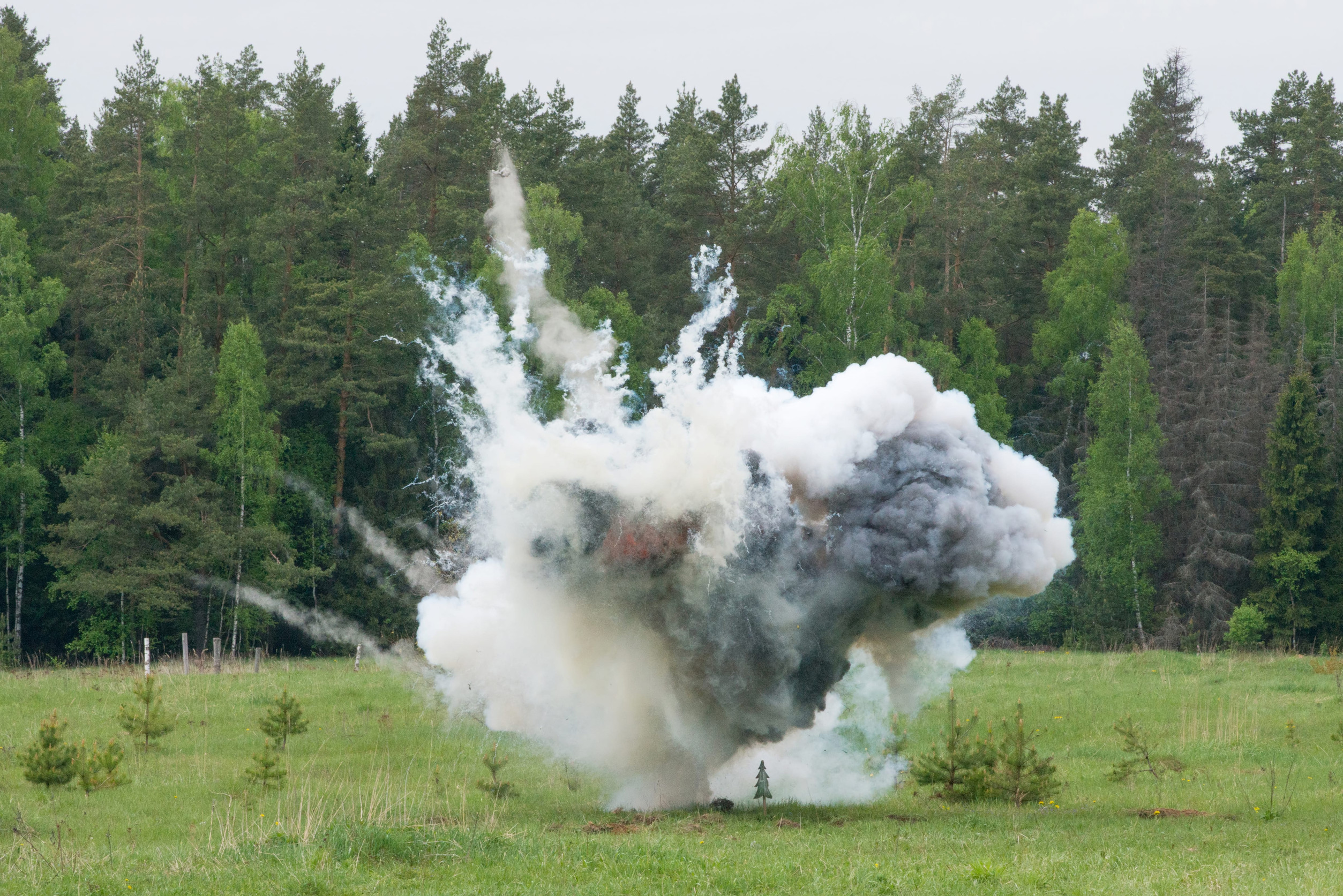
The operation involves 68 drums containing more than 9,700 pounds of degraded lead azide, the Army says. Lead azide is an explosive material used to trigger other explosives in military ammunition. The problem is that some of the material has developed crystals after years in storage.
An Army inspection on March 11, 2026, reportedly found signs of crystallization. Officials say the material has become extremely sensitive to friction, heat, vibration, and sudden movement. Even opening the drums could create a serious danger. The Army believes leaving the material untouched for longer could increase the risk of an uncontrolled explosion.
Officials say they considered other ways to destroy the material, including chemical treatment, relocation, and thermal processing. However, they concluded that these options could create additional dangers because the drums are too unstable to move or open safely. The Army now considers controlled destruction the safer option compared with waiting for a possible accident.
What Exactly Is Inside the Drums?

Lead azide is not an ordinary industrial chemical. It is a primary explosive that can trigger larger explosions under certain conditions. The material stored at the Iowa facility has reportedly deteriorated, leaving sensitive crystals on the outside of some drums and around their lids.
There are two separate concerns here. The first is the immediate risk of an explosion. The second involves possible environmental exposure to lead-containing particles released during the destruction process. Lead can be harmful when inhaled or swallowed, particularly for young children and pregnant women.
The Army says most of the expected cloud will consist of nitrogen gas, soil, sand, and water vapor, with a smaller amount of fine lead oxide dust. However, that description comes from the Army’s assessment, not from post-detonation laboratory results. Until environmental samples are collected and tested, residents cannot know exactly what reached nearby properties.
Why Residents Are Worried About Their Health
Lead exposure is a serious public health concern because it can affect several parts of the body. The Environmental Protection Agency says exposure can harm the brain, kidneys, cardiovascular system, and reproductive health. Children face particular risks because their developing brains and nervous systems are more vulnerable.
The Centers for Disease Control and Prevention also states that no safe blood lead level has been identified in children. Its blood lead reference value of 3.5 micrograms per deciliter helps identify children with higher exposure than most of their peers. It is not a line below which lead exposure becomes completely harmless.
A major study published in Environmental Health Perspectives in 2005 examined 1,333 children across seven international research groups. Researchers found an association between higher blood lead concentrations and lower IQ scores, including at relatively low exposure levels. The study does not predict what will happen to children near the Iowa facility, but it helps explain why families are taking the possibility of lead exposure seriously.
Thanksgiving Plans Are Being Thrown Into Uncertainty

The timing has made an already stressful situation harder for many families. Thanksgiving is one of the biggest family holidays in the United States, and people often travel, prepare large meals, and welcome relatives into their homes. Residents near the ammunition plant now have to consider safety instructions before making their holiday plans.
The Army and FEMA recommended temporary relocation for residents in Middletown and certain nearby areas identified through the projected plume path. The affected area is described as a five-mile cone extending southwest, with an additional one-mile buffer. This is not a five-mile evacuation circle, so residents should follow official, location-specific instructions rather than assume everyone within a certain distance must leave.
FEMA-funded temporary lodging was offered through Friday, November 27, with possible extensions. Transportation, food, water, and other basic supplies were also included in the assistance. Some West Point businesses planned to close on Wednesday, while local officials urged people to avoid unnecessary trips through potentially affected areas.
For families, that can mean changing travel arrangements, moving Thanksgiving meals, or spending the holiday somewhere other than home. However, no verified count of families has canceled their celebrations, so the disruption should not be confused with a community-wide cancellation.
What Is the Army Doing to Reduce the Risks?
The Army says it is using several protective measures to limit particle spread during the operation. These include sand-filled barriers, soil backfill, water tanks, gel blocks, foam, containment screens, and industrial misting systems. The material will be destroyed inside earth-covered concrete ammunition storage structures.
Officials also plan to monitor the surrounding environment before and after the operation. This includes air monitoring around the installation and nearby communities, along with soil, surface-water, and surface-wipe sampling. Mobile teams are expected to collect additional samples along the projected plume path.
The Army has also promised to publish monitoring results when they become available. It says residential properties with soil lead levels above 200 milligrams per kilogram will qualify for government-funded soil removal, cleaning, and restoration. That figure is an Army cleanup commitment, not a universal safety standard for air, water, or every type of exposure.
One important detail remains: the EPA has acknowledged that it cannot measure the effectiveness of the planned controls precisely in advance. The protective measures are intended to reduce releases, but they do not guarantee that no material will escape the site.
Environmental Groups Have Challenged the Plan
The operation has also faced legal opposition. The Iowa Environmental Council and Sierra Club, represented by Earthjustice, challenged the EPA’s emergency permit. Their concerns included possible lead releases, the adequacy of environmental protections, and the consideration given to alternative disposal methods.
A temporary administrative stay initially paused the permit while the court considered the challenge. However, on November 23, the Eighth Circuit Court of Appeals lifted the stay and denied the request for an emergency halt. The decision allowed the operation to move forward, but it should not be interpreted as proof that the process carries no environmental risk.
The case highlights a difficult question. The Army argues the material is too dangerous to handle and that waiting could expose workers and nearby communities to a greater threat. Environmental groups want stronger assurances that the chosen method will not create another problem while solving the first.
What Should Nearby Residents Do?
For people living in areas covered by the official guidance, following local instructions is more useful than relying on rumors or social media posts. Iowa health officials recommend keeping windows and doors closed for 24 to 48 hours after the operation as a precaution, unless updated guidance says otherwise.
Residents should also avoid unnecessary outdoor activities in affected areas and limit travel through locations that could be affected by the plume. If driving is necessary, officials recommend keeping vehicle windows closed and using the recirculated-air setting.
Families with young children, pregnant women, and people with existing health concerns should pay particular attention to updated public health advice. Residents should also avoid disturbing suspicious dust or soil until authorities provide further instructions.
The Army’s latest announcement placed the planned operation at approximately 9 a.m. Central Time on November 25, subject to weather and operational conditions. At the time of this report, completion had not yet been independently confirmed.
For residents hoping to enjoy a peaceful Thanksgiving, the bigger issue is trust. People want to know the explosives will be handled safely, environmental testing will be transparent, and anyone affected will receive proper assistance. The Army says controlled destruction is necessary to prevent a potentially worse accident. Now, the community needs clear evidence that the promised safeguards and cleanup measures will work.