Imagine sitting down for dinner and discovering the main course is a stuffed rodent, a frog pie, or a mysterious mix of vegetables and gelatin. It sounds like something from a bizarre cooking competition, but these dishes have genuine places in food history.
Some of the strangest foods imaginable were once considered delicacies, fashionable desserts, or ordinary meals. What sounds unappetizing today could have symbolized wealth, offered a practical way to preserve ingredients, or been a beloved family tradition.
From ancient Roman banquets to 1950s American dinner tables, food preferences have changed dramatically. Here are eight unusual dishes that reveal just how adventurous previous generations could be.
Stuffed dormice were a Roman delicacy.
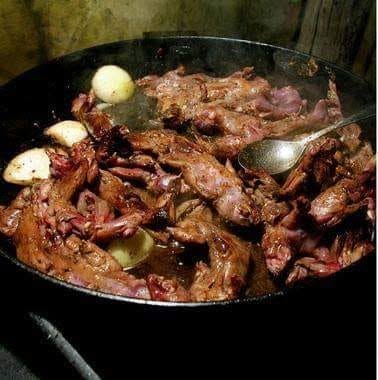
Most people would panic if they discovered a mouse anywhere near their dinner. Wealthy ancient Romans, however, sometimes considered a small rodent known as the dormouse a desirable addition to their meals.
Dormice were fattened on foods such as acorns and chestnuts before being prepared for consumption. Cooks could stuff and bake them, adding honey and poppy seeds for extra flavor. The finished dish was served at Roman feasts alongside other elaborate foods.
These meals were about more than satisfying hunger. For wealthy hosts, offering unusual ingredients could demonstrate their status and ability to provide an impressive dining experience.
Not every Roman family enjoyed such luxuries. Ordinary households had very different diets, so elaborate dormouse preparations were especially associated with affluent dining.
Today, serving a stuffed rodent at a dinner party would surprise many guests. For some ancient Romans, it was a familiar culinary practice.
Fermented fish guts became a popular sauce.
If you think certain modern condiments smell strong, ancient Roman garum might change your perspective.
Garum was a fermented fish sauce widely used throughout the Roman world. Producers made versions with fish, salt, and sometimes herbs, while some varieties included fish blood and internal organs. Fermentation developed its distinctive flavor.
Archaeological discoveries have revealed evidence of garum production, including a workshop preserved at Pompeii.
Despite its unusual ingredients, the sauce was prized for its concentrated savory flavor. Romans used fish-based seasonings to enhance a variety of dishes, much as cooks today use soy sauce or other savory condiments.
Modern researchers and chefs have even attempted to recreate historical versions.
The surprising part is that garum wasn’t merely a desperate food choice. It was a valuable culinary ingredient with an established place in Roman cooking.
Related Posts:Discover 6 Surprisingly Weird Ancient Foods That Shaped World History
Cockentrice combined two animals into one dish.
Medieval cooks sometimes took dinner presentation to extraordinary extremes. One particularly unusual creation was called a cockentrice, a dish designed to resemble an imaginary animal.
Rather than cooking a single bird or pig, cooks combined portions of different animals to create one impressive centerpiece.
Historical recipes involved joining parts of a pig with parts of a capon or another bird. They could then stuff, season, and roast the combined creation.
Imagine being invited to a banquet and watching servants carry in what seemed like an entirely new creature. That sense of surprise was part of the attraction.
Medieval elite dining often involved elaborate presentation, and wealthy households used spectacular dishes to entertain their guests.
The cockentrice was therefore more than a strange combination of meats. It reflected a culture in which cooking could become theatrical entertainment.
Jellied eels were once popular street food.
Long before modern fast-food restaurants became commonplace, London’s street vendors offered a wide variety of affordable meals.
One of the most recognizable was jellied eels.
The dish consisted of eel pieces cooked in liquid that set into a jelly-like consistency when cooled. The result was a cold preparation featuring fish surrounded by its own gelatinous stock.
Eels have a long history in the city’s food culture. They were eaten by medieval nobility and later became a familiar street food.
Their popularity was especially connected with London’s working-class communities. Vendors sold eels, or they were served in establishments specializing in traditional local dishes.
Although the slippery appearance and unusual texture might discourage some modern diners, jellied eels have not disappeared completely.
They remain part of London’s culinary heritage, showing how one generation’s everyday street food can become another generation’s historical curiosity.
Frog’s legs appeared in elaborate colonial pies.
When most Americans imagine a traditional pie, they probably picture apples, cherries, chicken, or beef.
An eighteenth-century recipe from colonial Virginia offered something considerably more unexpected.
It combined frog’s legs with ingredients including gooseberries, candied fruit peel, eggs, cinnamon, cloves, artichoke hearts, and potatoes.
Culinary historian Frank Clark encountered this recipe while researching historical cooking at Colonial Williamsburg.
The unusual mixture was associated with the elaborate food enjoyed by wealthy Virginians.
Although sweet and savory ingredients might seem like an unlikely pairing today, earlier cooking traditions frequently combined flavors in ways that challenge modern expectations.
The recipe also demonstrates how sophisticated colonial food could be. Wealthy diners could enjoy elaborate dishes that required considerable preparation and a wide assortment of ingredients.
It certainly wasn’t the kind of pie you would expect to find beside a modern bakery’s apple turnovers.
Whale-derived ambergris-flavored luxurious sweets
Perhaps one of the strangest historical dessert ingredients wasn’t a food in the ordinary sense.
It was ambergris, a waxy substance associated with the digestive system of sperm whales.
Ambergris became valuable for its distinctive fragrance and was historically used in perfumes and certain culinary preparations.
Wealthy colonial Virginians sometimes enjoyed ambergris-flavored sweets. It was among the aromatic ingredients used to give elaborate dishes a particular scent.
For diners accustomed to vanilla, chocolate, or cinnamon, the idea of a whale-derived ingredient in dessert may seem extraordinary.
Yet fragrance played an important role in historical luxury cooking. Certain ingredients were prized not only for taste but also for the aroma they added.
Ambergris illustrates how dramatically ideas about luxurious ingredients have changed.
Something that might sound completely unappealing to a modern dessert lover could once have represented sophistication and expense.
Calves’ feet made their way into traditional pies.
Modern meat pies commonly contain beef, chicken, or vegetables. Historical cooks, however, often used animal parts that many contemporary shoppers overlook.
Calves’ feet were among those ingredients.
Calves’ feet pie appeared in historical English cookbooks available to colonial Virginia households.
The same historical records also mention stewed calves’ feet and other preparations involving animal organs and less familiar cuts.
These dishes reflected a cooking tradition that valued using different parts of an animal.
What may seem strange to someone who buys neatly packaged meat at a supermarket would have made more sense in households accustomed to processing and preparing whole animals.
Such recipes also remind us that culture, availability, and changing household habits shape preferences for particular cuts of meat.
Savory Jell-O salads contained vegetables and tuna.
Not every unusual historical food comes from ancient civilizations or medieval banquets.
Some were popular within living memory.
During the twentieth century, American cooks embraced gelatin salads containing combinations of sweet and savory ingredients.
Recipes sometimes included sauerkraut, beets, hard-boiled eggs, tuna, and mayonnaise.
These ingredients could be suspended in gelatin and served as molded dishes at family meals, gatherings, and special occasions.
For many households, the colorful creations represented an appealing way to prepare and present food.
Today, a gelatin mold filled with tuna or vegetables might attract more curiosity than enthusiasm.
However, gelatin salads have not vanished entirely. Some families still prepare inherited recipes, especially for celebrations.
Their history demonstrates that food fashions can change within just a few generations.
What these forgotten foods reveal about the past
Looking at these eight dishes, it’s tempting to wonder how anyone could have enjoyed them. But food traditions rarely seem unusual to the people who grow up with them.
Some dishes reflected wealth and elaborate entertainment. Others developed from practical approaches to preservation, ingredient availability, or using an animal.
And not all these foods are truly extinct. Several survive as regional specialties, historical recreations, or cherished family recipes.
Posts You Might Like:
6 American Foods That Baffle the World
7 Outrageously Strange Fried Foods You Have to Try