Imagine spending years being shouted at, humiliated, threatened, and made to feel worthless by the person who promised to love you. You finally find the courage to leave, hoping to rebuild your life and regain some peace. Then, instead of asking what happened behind closed doors, people around you start asking why you didn’t fight harder for your marriage. Suddenly, everyone has a Bible verse ready, and the conversation is no longer about the abuse. It is about your decision to walk away.
For some women in Christian communities, this experience is painfully familiar. Their husbands’ behavior receives little attention, while their decision to separate becomes a public discussion about faith, forgiveness, and marital commitment. But this raises an uncomfortable question: Why does leaving an abusive marriage sometimes attract more criticism than the abuse that made leaving necessary?
When Leaving Becomes the Bigger Problem
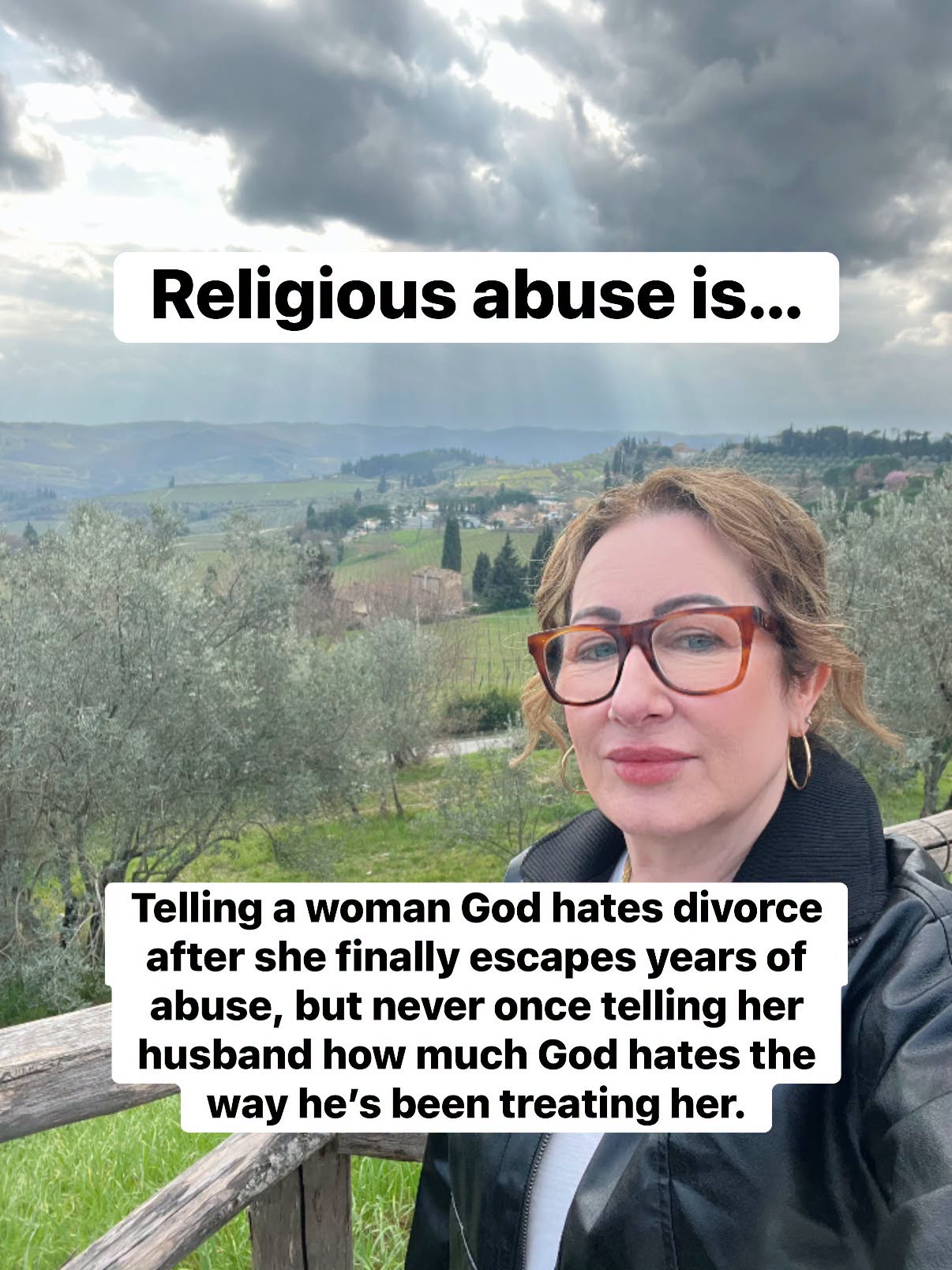
Marriage is treated as a sacred commitment in many Christian traditions. Teachings about faithfulness, forgiveness, and keeping families together can offer couples valuable guidance. However, problems arise when these teachings are used selectively, especially when a woman’s responsibility to preserve her marriage receives more attention than her husband’s responsibility to treat her with love and respect.
Research published in Criminology & Criminal Justice in 2023 examined the experiences of survivors who encountered spiritual abuse and religious pressure. The researchers documented cases in which women were encouraged to remain with abusive partners, forgive them, or attempt reconciliation without proper attention to their safety. Some participants also described being excluded from church activities after separating.
One survivor described how people viewed her husband as redeemable because he cried and apologized. Her experience shows how easily an emotional apology can become more important than years of harmful behavior.
Abuse Does Not Always Leave Visible Injuries
One of the biggest problems in conversations about domestic abuse is the belief that it must involve physical violence. People may understand a woman who leaves after being beaten, but struggle to recognize the seriousness of years of insults, threats, humiliation, financial control, and intimidation.
The Centers for Disease Control and Prevention recognizes psychological aggression, coercive control, and entrapment as forms of intimate partner violence. These behaviors can include controlling someone’s movements, restricting access to money, isolating them from friends and relatives, and using threats to maintain power.
The CDC’s 2026 national data brief, based on its 2023–2024 survey, found that 30.2% of American women had experienced lifetime psychological aggression from an intimate partner. Another 27.2% reported at least one measured form of coercive control or entrapment.
These figures show why abuse should not be judged only by what people can see. A woman can live in fear inside a home that looks perfectly peaceful to everyone visiting.
What Does the Bible Actually Say About How Husbands Should Treat Their Wives?

Conversations about Christian marriage often focus heavily on a wife’s submission. Yet biblical teachings also place serious responsibilities on husbands.
Ephesians 5:25 tells husbands to love their wives as Christ loved the church. The passage describes a form of love based on sacrifice and care, not intimidation or domination. Colossians 3:19 also instructs husbands to love their wives and avoid treating them harshly.
These verses deserve the same attention as the passages commonly used to discuss a wife’s duties.
Malachi 2:13–16 is another passage that often comes up in discussions about divorce. Some translations contain the familiar words that God hates divorce. However, the passage addresses marital betrayal and violence, and its Hebrew wording is disputed among biblical scholars. Using one short phrase to settle every question about leaving an abusive marriage ignores important historical and translation details.
The Bible’s teachings on marriage deserve thoughtful interpretation. They should not become convenient tools for avoiding questions about cruelty, accountability, and safety.
Forgiveness Is Not the Same as Going Back
Another difficult issue is the way forgiveness is sometimes presented to women experiencing abuse. They may be told that a good Christian should forgive, show grace, and give her husband another chance.
But forgiveness, reconciliation, trust, and returning to a shared home are different things.
The United States Conference of Catholic Bishops makes this distinction clear in its guidance, When I Call for Help. It states, “Forgiveness is not permission to repeat the abuse.” The bishops also emphasize that no person is expected to remain in an abusive marriage.
Their guidance places the safety of the victim and children first, followed by accountability for the abusive partner. Restoring the relationship comes afterward, if it is possible.
This distinction matters because an apology does not automatically prove someone has changed. Real accountability requires more than tears, promises, or a temporary period of good behavior.
Some Churches Are Getting This Wrong, but Others Are Helping
It would be unfair to suggest that every Christian church condemns women who leave abusive marriages. Christian denominations have different teachings about divorce, separation, and remarriage, and many have developed policies that recognize the need to protect survivors.
For example, the United Methodist Church states that remaining faithful to marriage does not require spouses to stay in physically or mentally abusive relationships. Its policy also rejects the idea that divorce automatically prevents someone from serving in church leadership.
The Catholic Church’s Canon Law, under Canon 1153, recognizes that serious physical or mental danger to a spouse or children can justify separation.
These positions show that protecting someone from abuse is not automatically a rejection of Christian values. In fact, many Christian leaders argue that protecting vulnerable people is part of those values.
Still, official policies do not guarantee that every local congregation follows them. Some survivors continue to face disbelief, judgment, and pressure to reconcile.
Why Leaving Can Be So Difficult
People who ask why a woman did not leave sooner may not understand what leaving actually involves. An abusive partner may control the family’s finances, threaten to take the children, monitor phone calls, or make the woman believe she has nowhere to go.
Religious pressure can add another layer. A woman may fear losing her church, friendships, family relationships, or sense of belonging. She may also worry that divorce makes her a failure in her community’s eyes.
The National Domestic Violence Hotline identifies financial dependence, fear of retaliation, shame, concern for children, and hope that a partner will change as some of the reasons people remain in abusive relationships.
Leaving can also be a dangerous period, particularly when an abusive partner feels that control is slipping away. That is why survivors need practical support and safety planning, not judgment or pressure to make immediate decisions.
The Conversation Should Include the Person Who Caused the Harm
There is something deeply unfair about questioning a woman’s commitment to marriage without first examining the behavior of the man she left. If a husband spends years destroying his wife’s confidence, threatening her, and making home feel unsafe, his actions deserve serious attention.
Church leaders and family members can do more than quote Bible verses. They can listen, take disclosures seriously, connect survivors with specialist support, and hold abusive partners accountable. They can also avoid treating reconciliation as the automatic goal before safety has been established.
A marriage cannot be judged only by how long two people remain together. The treatment they give each other matters too.
Women should not have to prove that they suffered enough before their decision to seek safety is respected. Faith, forgiveness, and commitment should never be used to silence someone who is asking for help.
Perhaps the more important question is not why she left, but why the behavior that made her leave received so little attention in the first place.