A woman hosting her husband’s family for Thanksgiving for the second year in a row asked Miss Manners how to stop her brother-in-law and his wife from inviting extra relatives to her table. Last year, the couple brought along the sister-in-law’s parents, her brother and his daughter, people the host had met only a few times.
Miss Manners did not side with the host. In a column published Oct. 27, 2026, the etiquette writers pointed to the story behind the holiday itself and said Thanksgiving is the wrong occasion to object to breaking bread with near-strangers.

The Host’s Complaint
According to the Miss Manners column, written by Judith Martin, Nicholas Ivor Martin and Jacobina Martin, this is the letter writer’s second year hosting her husband’s family for Thanksgiving. Last year, her brother-in-law and his wife extended the invitation to the wife’s parents, her brother and his daughter.
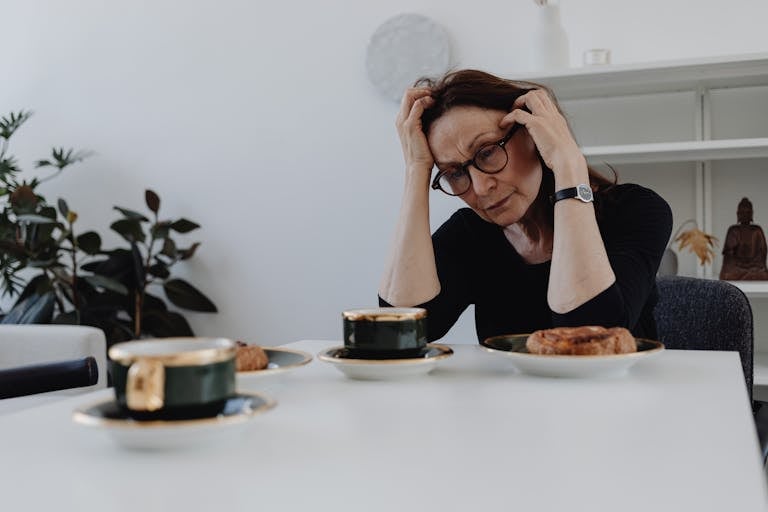
The host made room for everyone. But she wrote that she would rather not have people she barely knows invited into her home by her guests on a holiday. She wanted to know how to make clear, without being rude, that her brother-in-law and his wife are welcome, but the wife’s extended family is not.
She offered some context. Her husband grew up with extra guests at the table for holidays, so her brother-in-law seems to think that is simply what families do. Her sister-in-law, she added, does not like to cook and did not want to host, while the letter writer spends a lot of time and effort on a thoughtful table setting and a special meal.
The question of who may invite whom is an old one. Guides to being the perfect houseguest generally say guests should not extend a host’s invitation to others without asking first. Thanksgiving, though, has its own customs, and many of them are among the odd American traditions that confuse the rest of the world.
What Miss Manners Said
Miss Manners answered with a question: was the host familiar with the Thanksgiving legend, and isn’t it a story about welcoming people in?
The columnists said they were not trying to push an unwanted burden onto the host. If she had argued that cooking for so many people was too much work, they wrote, they would have been sympathetic. In that case, they would have suggested ways to enlist help from others, starting with her husband, or pointed her toward other relatives who could host, noting that her sister-in-law had apparently been excused on those very grounds.
But the host’s objection was not about the work. It was about sharing the meal with people she did not know well. On that point, Miss Manners was firm: Thanksgiving is not the occasion to complain about breaking bread with people one barely knows, especially when those guests had already been met the year before and are related to the host’s own brother-in-law.
Plenty of communities lean into that spirit every November. Churches in Radford are serving their third annual free community Thanksgiving dinner, and an El Paso family cafe is again offering free Thanksgiving dinner to anyone who walks in. Many households have their own Thanksgiving traditions that everyone pretends aren’t weird, and an open seat for an extra guest is one of the most common.

The Tradition Behind the Advice
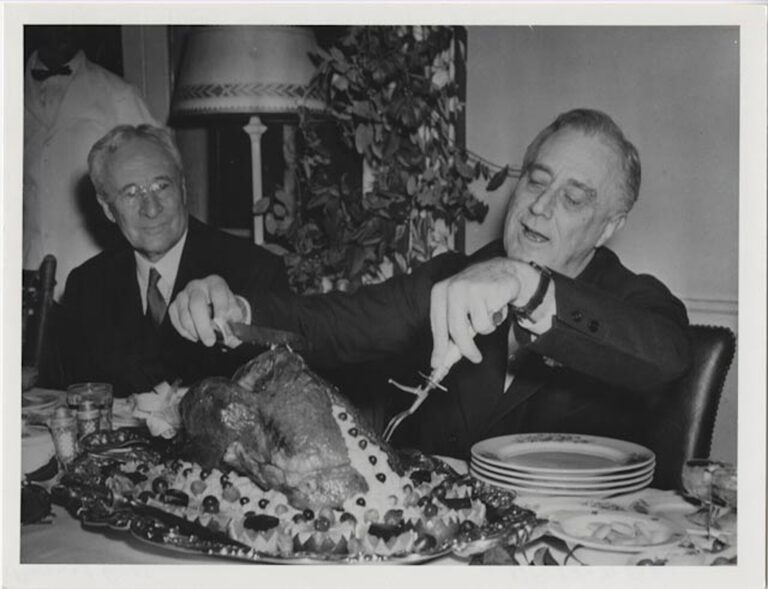
The American Thanksgiving holiday is rooted in harvest celebrations, and the popular story of the 1621 feast at Plymouth centers on a shared meal between groups that did not know each other well. That story is what Miss Manners had in mind. Over time, the holiday has grown into a family dinner for most Americans, but the idea of setting a place for someone who would otherwise be alone has stayed part of it.
Traditions of welcoming guests in many cultures carry the same expectation: a host’s table stretches to fit who arrives. In practice, that can mean a few more chairs and a bigger turkey.
The letter writer’s frustration is easy to understand from the kitchen side. A host who plans a table setting and a special meal around a known group has to rethink portions, seating and serving dishes when the list grows by four. Four extra guests can mean another leaf in the table, borrowed chairs and a second pan of stuffing. None of that is impossible, but it is real work, and it falls on the person whose oven is running.
That is exactly the distinction Miss Manners drew. Complaints about the workload have easy fixes and earn sympathy. Complaints about the company, on the one day built around sharing a meal, do not.
How the Host Can Make It Work
The column left room for the host to protect her energy, if not her guest list. Miss Manners’ own suggestions point the way: enlist help, starting with the husband, or look to other relatives to take a turn hosting. Some families add a further step, asking guests who invite extra relatives to bring an extra dish along with them.
Those steps keep the table open while easing the work that comes with it. For a host who takes pride in a carefully set table and a special meal, a few extra place settings may be easier to accept when others are helping fill the serving dishes.
The letter is a reminder that the hardest Thanksgiving questions are rarely about the turkey. They are about who sits down to eat it, and who gets to decide.
This article was produced with AI assistance and edited for accuracy against the sources linked above.
Image: Family photos of Infrogmation – CC BY-SA 4.0/Wikimedia Commons