The pie plates are scraped, the coffee is poured, and somebody in the kitchen is already eyeing the turkey carcass. At the end of almost every Thanksgiving dinner comes the quiet question nobody quite wants to ask out loud: who gets the leftovers?
According to certified etiquette expert Courtney Opalko, the answer is simple. “The host absolutely gets to decide whether or not to offer leftovers and what goes home with guests,” she told Southern Living on Nov. 23, 2026. And guests who show up to a traditional Thanksgiving dinner carrying empty food storage containers, unless they were invited to take food home, come across as presumptuous.
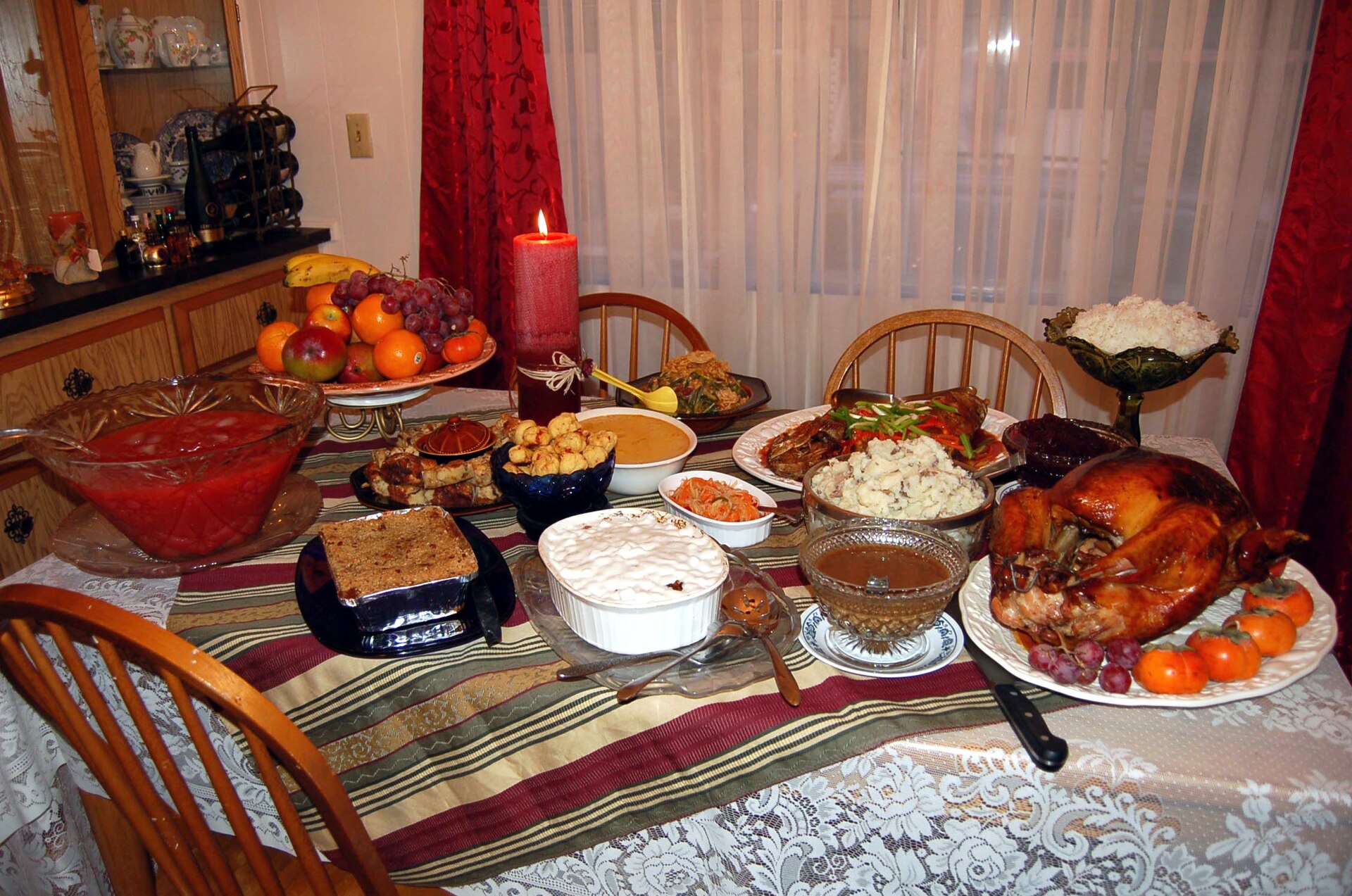
The host sets the leftover rules
Opalko, a member of the International Etiquette Trainer Society and the Protocol and Diplomacy International Protocol Officers Association, spoke to writer Jill Schildhouse for a Southern Living story on Thanksgiving leftovers, also published through MSN. Her core point is that the host leads. Hosting does not mean sending every guest home with a second meal, even when there is enough food to feed a crowd.
Sending food home is a long-standing American habit. The Wikipedia entry on leftovers notes that at some holiday meals, including Thanksgiving in the United States, it is customary to cook far more than needed so the host can send leftovers home with guests. It is one of those odd American traditions that confuse the rest of the world, right up there with the strange Thanksgiving traditions everyone pretends aren’t weird.
Opalko suggests hosts think about leftovers before guests arrive, rather than making awkward calls on the spot. Hosts who plan to share should have disposable containers ready, so they are not scrambling or giving away their own food storage supplies. Planning ahead also helps hosts sidestep the costly Thanksgiving hosting mistakes that pile up at the end of a long day.
Guests wait for the offer
For guests, the rule is patience. Opalko’s advice is to wait until the host brings up leftovers. If there is plenty of food and no mention of take-home plates, Opalko said a guest can politely ask whether the host has any plans for the extra food and mention that taking some home would be welcome, if that is all right with the host. Then the guest should accept whatever answer comes back without pushing.
The empty-container move is where she draws a firm line. Arriving at a traditional Thanksgiving dinner with a stack of empty storage containers, unless the host has specifically invited guests to take food home, comes across as presumptuous, she said. Etiquette guides have long made the same point about letting the host lead, from these simple etiquette tips for a perfect houseguest to Emily Post’s holiday houseguest rules.
A dish brought is a dish shared
Bringing a side does not mean taking it back. “Once served, the dish is considered a community contribution and how leftovers are divided or returned should rest with the host,” Opalko said. If a dish goes largely untouched, the host can offer to send it home with the person who brought it or fold it into the leftovers being shared.
Unopened gifts are different. If a guest brought a pie that never left its box or a bottle of wine nobody opened, Opalko said it should stay behind for the host to enjoy later as a gift.
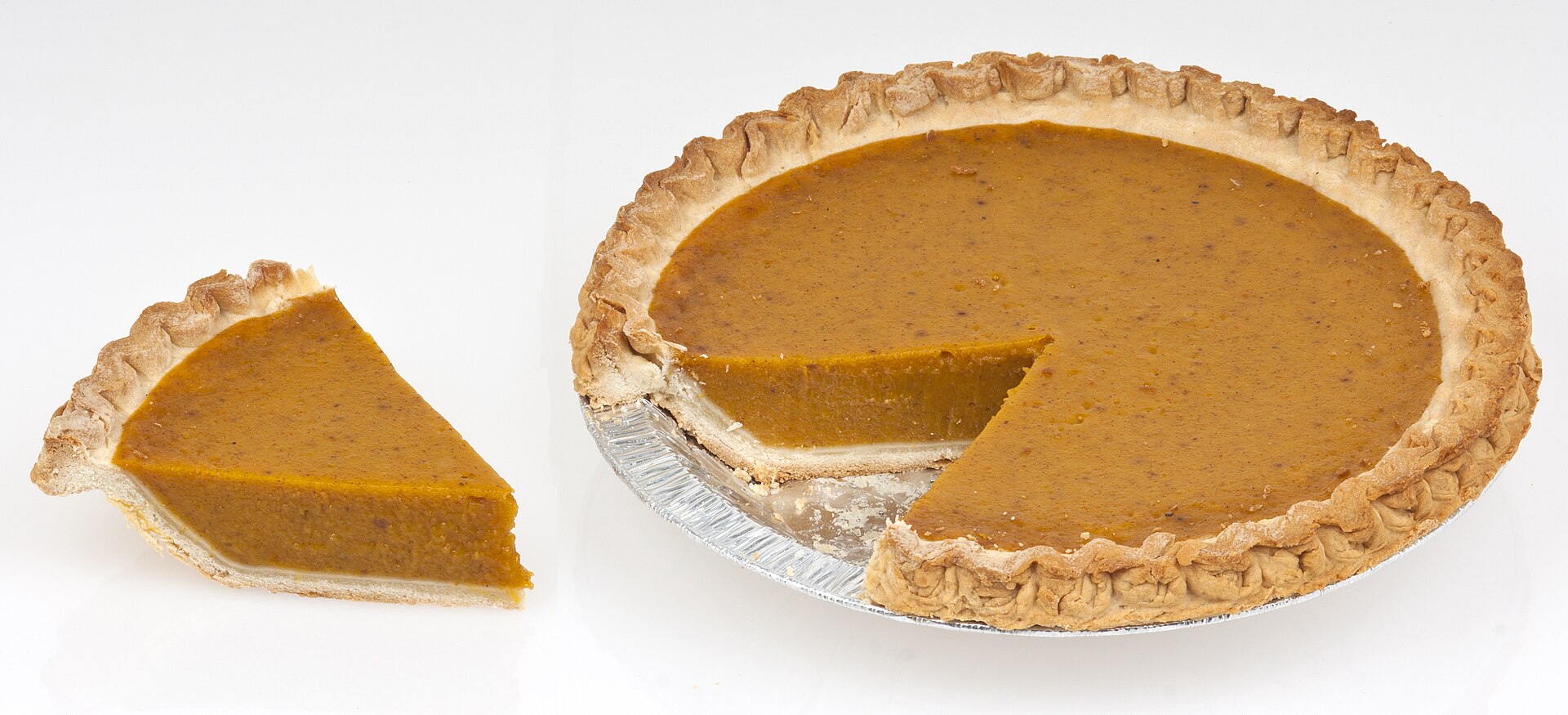
Dividing fairly, and that last slice of pie
When the host does send food home, Opalko recommends dishing it out rather than letting the most eager guests claim everything first. “Divide the food as evenly as possible so that guests get a fair share, but don’t feel the need to take individual orders,” she said.
As for the last slice of pie, she pointed to the idea of the “polite piece,” where the host offers it around and everyone declines, so in theory the host ends up with it. Since that only works if everyone plays along, her suggestion is to quietly set the last slice aside.
Potlucks change the math. At a true Thanksgiving potluck, a format the Wikipedia entry on potlucks notes also goes by names such as “covered dish supper” and “pitch-in,” Opalko recommends the organizer tell guests ahead of time to bring containers, and that everyone split the remaining food as evenly as possible. In that case, coming prepared is considerate, not presumptuous. Hosts also do not have to give food away at all; she suggests simply saying the leftovers are saved for favorite post-Thanksgiving meals, without a long excuse.
Getting the take-home plates home safely
Whoever ends up with the turkey, timing matters more than manners once dinner ends. The USDA’s Food Safety and Inspection Service says on its leftovers and food safety page that leftovers must be refrigerated within 2 hours of cooking, or within 1 hour if the temperature is over 90°F. Refrigerated leftovers keep 3 to 4 days, and reheated leftovers should reach 165°F on a food thermometer.
The FDA’s safe food handling guidance adds that large amounts of leftovers should be divided into shallow containers so they cool faster in a refrigerator kept at 40°F or below. For a guest with a long drive, that means packing the take-home plate well before the 2-hour mark and keeping it cold on the road, not leaving it on the counter through a few more rounds of pie. Timeless Dishes has more on the two-hour rule for Thanksgiving leftovers.
Opalko’s bottom line is that the biggest etiquette mistake is not wanting leftovers but assuming a right to them. A little planning from the host and a little patience from the guests keeps the night ending on a good note.
This article was produced with AI assistance and edited for accuracy against the sources linked above.