When school lets out in June, the grocery bill in a lot of households jumps. The breakfasts and lunches that used to happen in a school cafeteria move back to the kitchen table, and families on tight budgets feel it by the first week of summer.
South Dakota has until Jan. 1 to opt in to Summer EBT for 2027, the federal program that gives qualifying families $120 per child, paid as $40 a month for June, July and August, to spend on groceries. The state is 1 of 11 that do not take part, and nearly 60,000 South Dakota children would be eligible if it signed on, KELO reported on Nov. 23.

What Summer EBT pays and when
The U.S. Department of Agriculture’s Summer EBT page describes the program as $120 in grocery benefits for each eligible school-age child for the months when school is out. The money can be spent at authorized retailers in participating states, Tribes and territories, and the program may go by a different name depending on the state.
The KELO report breaks that $120 into $40 a month from June through August. For a household with 3 school-age children, that works out to $360 over the summer, spent the same way as other food benefits, at the checkout of a grocery store.
Stretching that kind of money is its own skill. Families who already shop with a list and plan meals around sales tend to make it go further, and a few frugal living habits help when every dollar of the summer food budget counts. Summer squeezes family budgets from several directions at once, with child care, camps and the occasional road trip to places that may or may not live up to the brochure, as a ranking of the worst American tourist attractions shows. Grocery money that arrives in June frees up room elsewhere, and planners often suggest a cushion along the lines an emergency fund guide lays out.
Who would qualify in South Dakota
Eligibility follows the school meal rules most parents already know. According to the USDA household page, school-age children in families that receive SNAP, TANF, FDPIR or certain other income-based benefits are enrolled automatically in participating states. Children who attend a school with the National School Lunch Program or School Breakfast Program and whose household income meets the free or reduced-price meal limits also qualify.
KELO and the Greater Dakota News Service report carried by the Kiowa County Press both note that children enrolled in certain other state benefit programs can qualify as well. Some families would get the benefit loaded onto an existing SNAP account, while others would receive a separate EBT card, depending on how a state runs the program.
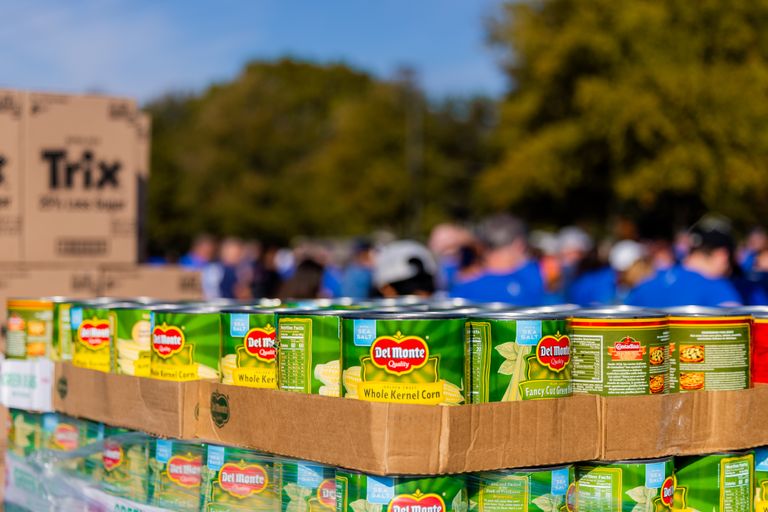
The benefit buys food in the same places SNAP does. The USDA lists grocery stores, farmers markets, convenience stores and online retailers among them, and online SNAP buying now works across the country, as Timeless Dishes reported in its look at SNAP online grocery shopping in all 50 states.
Why South Dakota has stayed out
South Dakota has cited administrative costs and a hesitancy to accept federal dollars as its reasons for sitting out, according to KELO. The food benefits themselves are federal, but states pay half of the cost of running the program, according to Bread for the World South Dakota, which backs it.
The state is not alone. The Greater Dakota News Service report says the other states not taking part include Idaho and Utah, both led by Republican governors, while Alaska and Texas elected Democratic governors in the midterm elections. The decision to join rests with each state, which is why the national picture of who gets Summer EBT looks like a patchwork.
That patchwork fits a wider pattern in food benefits right now. States are also setting their own rules on what SNAP can buy, and Florida, Missouri and Montana have restricted prepared dessert purchases while others limit soda and candy on different dates. Enrollment is shifting as well, with nearly 5.5 million fewer Americans receiving SNAP in recent counts.

The push to opt in before Jan. 1
Nearly three dozen businesses and organizations signed a letter to Gov. Larry Rhoden urging the state to join for 2027, both reports say. The advocacy group Bread for the World South Dakota estimates that Summer EBT would reach about 57,000 children in the state and bring an estimated $6.8 million in grocery spending to local retailers.
One signer is RF Buche, president of GF Buche Company and its charitable arm, Team Buche Cares. He told reporters that many rural and tribal students live too far from school to reach summer meal sites, and that families could use the benefit during their regular grocery trips. “It’s very difficult for these children to get to school and make it on time,” Buche said in the Greater Dakota News Service report. As of Nov. 23, he had not heard back from the governor’s office.
What families in other states can check now
Participation is set state by state, so the first step for any family is the USDA’s map of participating areas, which links to each state’s application or contact page. Children who are not enrolled automatically may still qualify by applying with the agency that runs Summer EBT locally, and the application asks for each child’s name, birth date, school, address and household income.
Where Summer EBT is not offered, the Summer Food Service Program still serves free meals and snacks to children 18 and under at schools, parks and other sites, and some rural areas offer meals to go.
For South Dakota, the calendar is the whole story. If the state does not opt in by Jan. 1, its families will sit out another summer of the $120-per-child grocery benefit while most of the country collects it.
This article was produced with AI assistance and edited for accuracy against the sources linked above.
Image: Tony Webster – CC BY 2.0/Wikimedia Commons