Every grocery run in Idaho comes with a line most shoppers in other states never see on food: sales tax. A $200 cart of groceries in Boise or Pocatello picks up the same tax rate as a new television, and that adds up fast for a family that shops every week.
Idaho taxes groceries at its full 6% state sales tax rate, but the state hands much of that back through a grocery credit, now officially called the food tax credit. According to Kiplinger’s state-by-state guide, updated Nov. 22, 2026, the refund averages $155 for most Idaho residents, citing the Idaho State Tax Commission.
How Much the Credit Pays
The Idaho State Tax Commission’s food tax credit page says the credit, formerly known as the grocery tax credit, offsets the sales tax paid on food throughout the year. For most Idaho residents it is $155 per person, and up to $250 per person for those who submit receipts showing the sales tax they actually paid on food.
The amount has climbed quickly. Idaho Code section 63-3024A set the credit at $100 for tax year 2022 and $120 for tax years 2023 and 2024. For tax year 2025 and every year after, it is $155. The increase came from House Bill 231, passed in 2025, which raised the flat credit and added the receipt-based option.
For a household of four, the flat credit works out to $620 a year, a meaningful offset in a state where every food purchase is taxed, including the turkey and sides in a holiday cart whose price varies widely, as this breakdown of Thanksgiving dinner costs by state for 2026 shows. Sales tax on food is one piece of the bigger picture in rankings of states where Americans struggle with the tax burden, and it is the piece shoppers notice at the register.
Who Qualifies, Including Dependents and Part-Year Residents
The credit is for Idaho residents. Under the state law, a resident who files an Idaho income tax return can claim it for the filer, a spouse and each qualifying dependent claimed on the return. That is why the dollar amount grows with family size.
Part-year residents are not left out. The law says anyone who lived in Idaho for only part of the year gets a proportionate credit for the months they were domiciled in the state. So a family that moved to Idaho in July would claim roughly half the full amount.
The law also prorates the credit for any month a person received federal food stamp benefits, now called SNAP, since those purchases are not taxed. Families following the changing national SNAP numbers will recognize the link: the credit is designed to give back tax on food that was actually paid in cash or by card.
How to Claim It, Even Without Filing a Return
Residents who are required to file an Idaho income tax return claim the credit on that return, using Form 40 or Form 43. Those who are not required to file can still get the refund by filing a separate claim. The Tax Commission’s page says residents who did not make enough money in 2025 to file a return are still eligible, and its online worksheet points each person to Form 24, Form 40 or Form 43. The credit can only be claimed on one form.
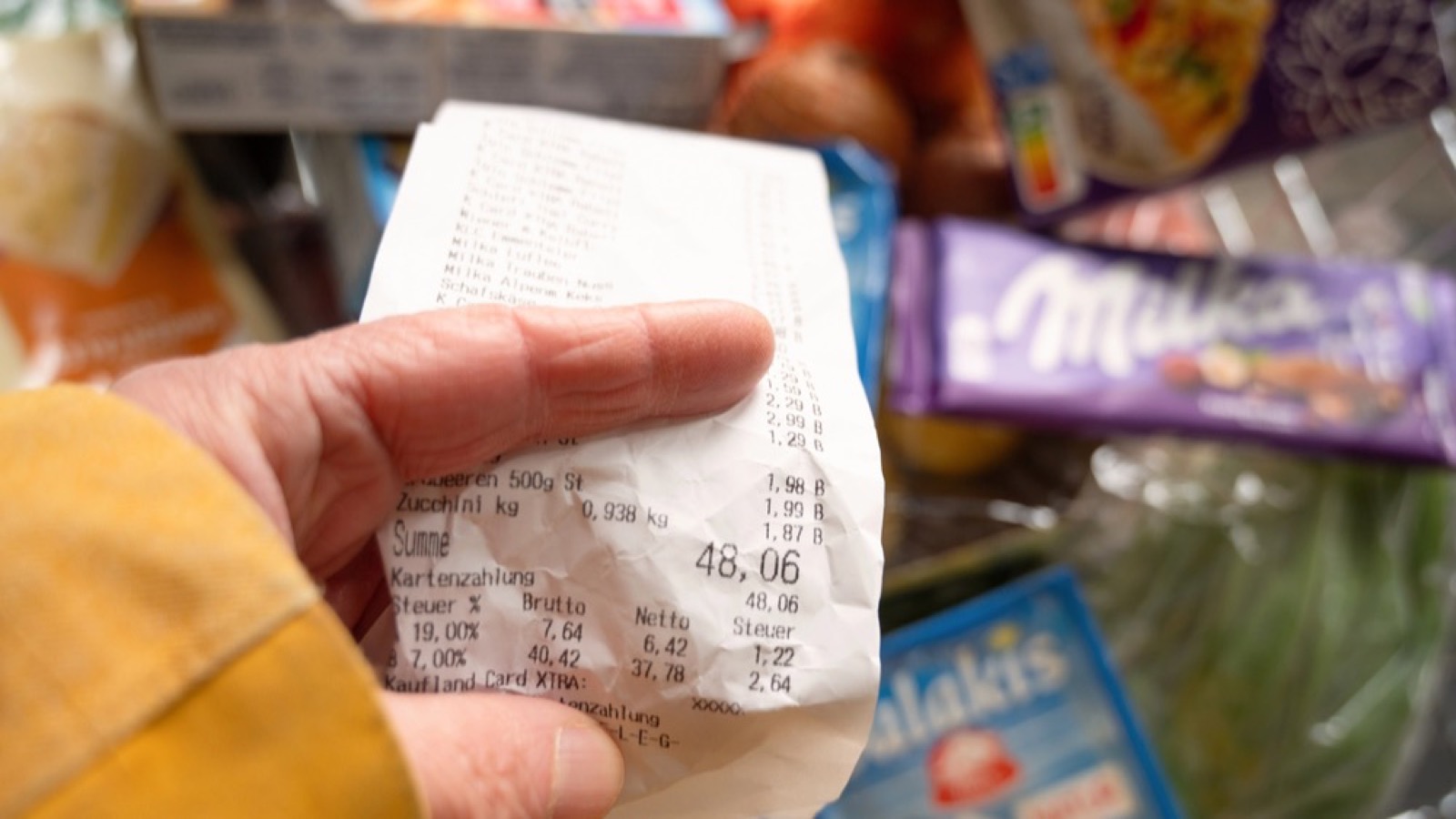
Anyone choosing the larger receipt-based credit has more work to do. State law says the taxpayer must mark that choice on the return and submit scanned copies of sales tax receipts for qualifying food purchases made in Idaho during the year, up to $250 per person. Qualifying food follows the same definition used for SNAP-eligible groceries. Some frugal living habits, such as keeping every grocery receipt in a single envelope, make that option realistic, and the same receipts double as a record for anyone looking for quick ways to save money on the weekly shop.
A Record Year for Refunds
The higher credit is showing up in the totals. In an Oct. 30, 2026 announcement, Gov. Brad Little said the state had returned a record $254.8 million through the 2025 credit, $49 million more than the year before. The Tax Commission had processed 813,241 claims totaling $254,849,965 at that point, compared with $205,162,246 across 822,401 claims for 2024 and $201,902,723 across 805,341 claims for 2023.
The governor’s office said the total would keep rising as final returns are processed. Fewer claims brought in more money, which reflects the jump in the per-person amount rather than more people applying.
That relief arrives in a season when food costs are front and center, and Idaho shoppers pay sales tax on every item in a holiday cart, from the turkey to the cranberry sauce. A credit that lands with a spring tax refund does not change the price at the register in November, but it does soften the year’s total grocery bill.
How Idaho Compares With Other States
Kiplinger’s guide to states that still tax groceries lists eight states that still tax groceries statewide: Alabama, Hawaii, Idaho, Mississippi, Missouri, South Dakota, Tennessee and Utah. Several of them tax food at a reduced rate. Idaho stands out for charging the full 6% rate while returning money through a flat credit instead of a lower rate or an exemption.
That setup means Idaho households get a set amount back no matter where they shop. At a 6% rate, the flat $155 matches the tax on roughly $2,583 of food per person in a year. A person whose taxable food spending runs higher than that pays more in grocery tax than the flat credit returns. For those households, the receipt option up to $250 per person is the one worth a closer look before tax season.
This article was produced with AI assistance and edited for accuracy against the sources linked above.