Every traveler knows the feeling. After a long day of sightseeing, the last thing anyone wants is another hour of waiting for a table, puzzling over a menu and watching the bill climb past what the meal was worth.
Travel writer Rick Steves has a simple fix. He says picnicking lets travelers “eat better while spending half as much as those who eat exclusively in restaurants,” and he recommends picnic dinners every few nights to keep a trip budget on track.
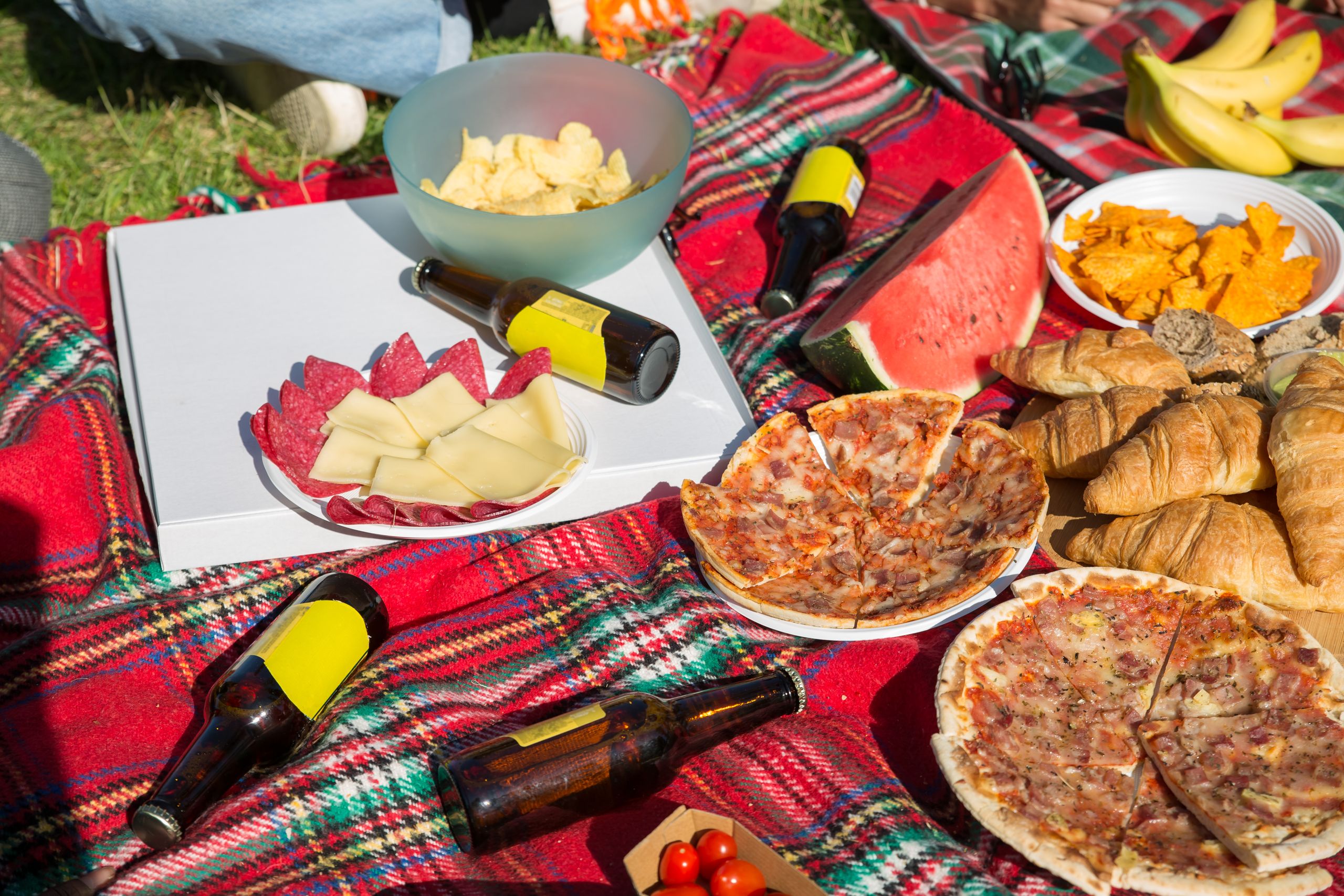
The advice comes from his guide “Picnic Like a Pro in Europe” on the Rick Steves’ Europe website. Steves, who has written guidebooks and hosted public television travel shows for decades, admits that restaurant meals are an important part of any culture. But he says he picnics almost daily, and not only to save money.
Why a Picnic Beats Another Restaurant Meal
Steves calls picnicking “the best way to feast like a European,” enjoying local specialties without the cost. For busy sightseers, he writes, restaurants can be “time-consuming and frustrating,” and diners often walk away feeling their money “could have done much more” if it had gone into a picnic instead.
His rhythm is easy to copy. Every second or third night, he writes, he likes a relaxing and cheap picnic instead of a restaurant meal. The idea works much like a night of raiding the refrigerator back home, except the fridge is a corner deli, bakery, produce market or supermarket. It is a small habit that fits right in with other tips for traveling cheaply, and it can free up money for one truly special restaurant dinner later in the trip. A picnic spot with a view also beats a few of the most disappointing tourist attractions by a wide margin.
Where to Pick Up a Picnic
A picnic does not have to mean assembling every piece by hand. Steves says travelers can grab one from nearly anywhere willing to pack food to go, including a souvlaki stand, sausage truck, crêperie, pizza shop or market hall. His separate guide to Europe’s cheap eats calls picnicking the cheapest option of all and his “personal favorite.”
Supermarkets are another easy stop. Many sell cheap packaged sandwiches, and most offer freshly prepared foods such as quiche, fried chicken and fish for takeout. Steves names chains travelers will see often, including Aldi, Carrefour, Lidl, Mercadona, Monoprix, Sainsbury’s, Spar and Tesco. Shoppers should bring a bag, since no one bags groceries for them and stores may charge for plastic ones. A foldable tote is worth adding to the packing list, along with the other things to sort out before leaving the house for a trip. Those who have read his advice on tap water and cheap pizza will recognize the theme: eat where locals eat, and pay what locals pay. Shopping like a local is one of those everyday habits that flips the script on American traditions that confuse the rest of the world.
What Goes in the Basket
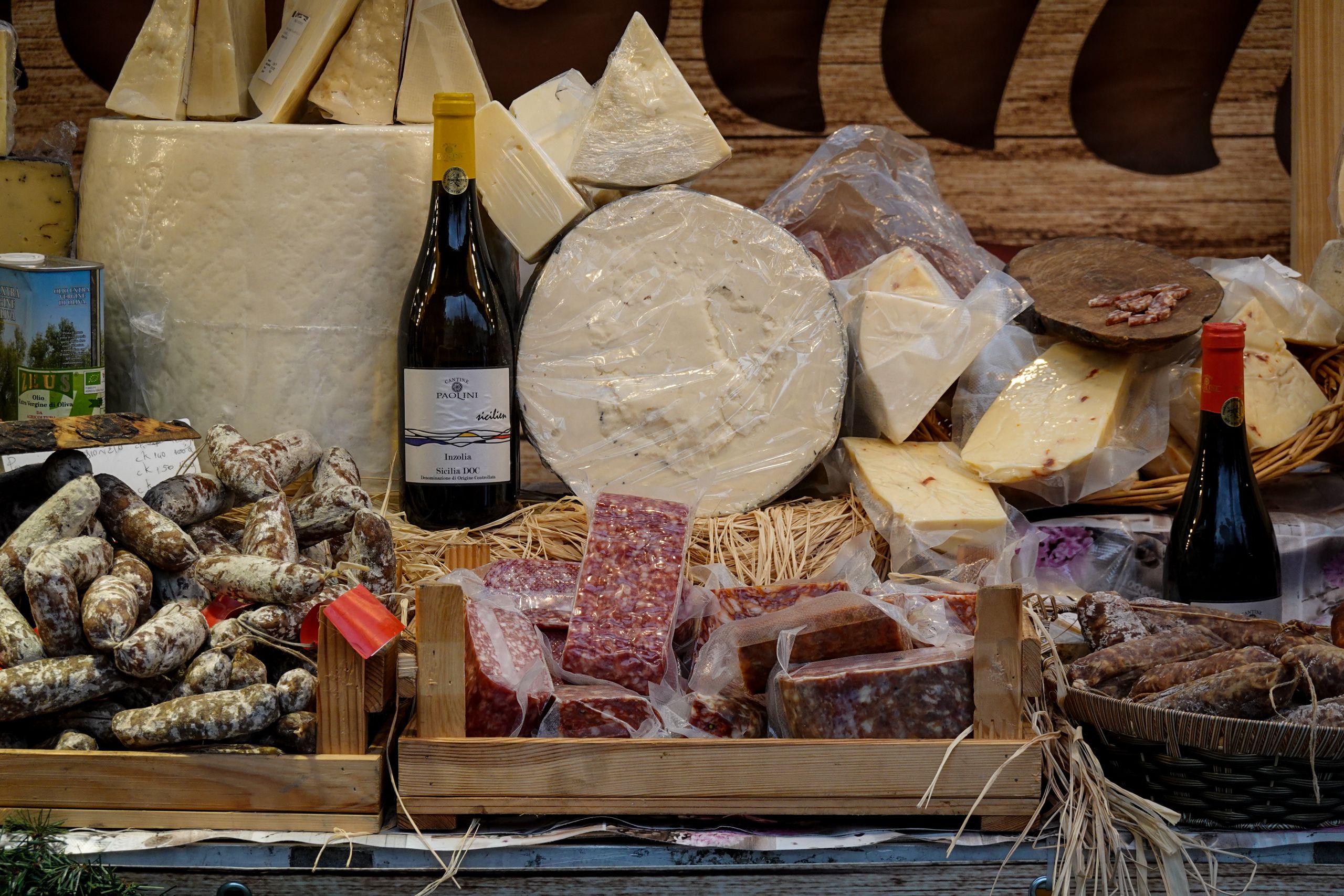
Steves points out that bread has always been cheap in Europe, and cheese is a specialty nearly everywhere. His standard pick is Emmentaler, the cheese Americans call “Swiss.” Fruit and vegetables should be whatever is in season and plentiful. Anything American, he warns, is “usually pricey and rarely satisfying.” Travelers who like to cook from scratch at home tend to enjoy building a meal from market finds.
A few dairy tips help, too. Milk comes in quarter, half and full liters, but look-alike cartons hold other dairy products, so it pays to read the label. Shelf-stable “long life” milk, made with ultra-high-temperature processing, needs no refrigeration until opened. Steves jokes it “will never go bad…or taste good.” European yogurt, he adds, can often be sipped right from the container.
Gear, Drinks and Market Manners
Steves suggests a good knife with a can opener and corkscrew, packed in checked luggage or bought on arrival. A plastic lid doubles as a cutting board, resealable bags hold leftovers, and a reusable cup and utensils handle takeout soups and salads. Supermarkets and corner shops sell inexpensive drinks, though sodas and wine are usually sold at room temperature.
At outdoor markets, he says most stands are not self-service: shoppers point and let the vendor bag and weigh. Food is often priced by the kilo, 100 grams or the piece, so a low price may only cover a small amount. Stalls with no posted prices deserve caution in tourist areas.
Picking the Spot
For Steves, the setting makes the meal. He describes picnics in a Paris park, on a Norwegian ferry, high in the Alps and at an autobahn rest stop, and he says food tastes even better on top of a mountain. A lively square, a peaceful park or a harborfront all make good backdrops, and an evening meal on a castle wall at sunset is one of his favorites.
Some travelers picnic in their rooms, but Steves cautions that some hoteliers dislike it, especially in France, and asks guests to be tidy and toss trash in a public bin. Perishables like soft cheese, deli meat and cut fruit should not sit out for long, either. The U.S. Department of Agriculture says to keep perishable food out of the “Danger Zone” between 40°F and 140°F for no more than 2 hours, or 1 hour when it is above 90°F outside.
A Budget Habit With Flavor
Restaurants still have their place on any trip. Steves simply argues that a picnic every few nights saves real money without giving up good food, and he credits picnics with introducing him to many of his favorite foods. A loaf of bread, a wedge of local cheese, some seasonal fruit and a good view can do a lot of work for very little cash.
This article was produced with AI assistance and edited for accuracy against the sources linked above.