Potatoes are one of those groceries people like to buy in bulk. They are affordable, filling, and useful in everything from mashed potatoes to chips and hearty soups. The trouble starts when you bring them home and leave them sitting in the plastic bag from the store.
Sealed bags can trap moisture, creating conditions that encourage potatoes to rot. If you want them to last longer, move them somewhere cool, dark, dry, and well-ventilated. With the right conditions, some varieties can keep for two to three months.
Why Sealed Plastic Bags Are Bad for Potatoes
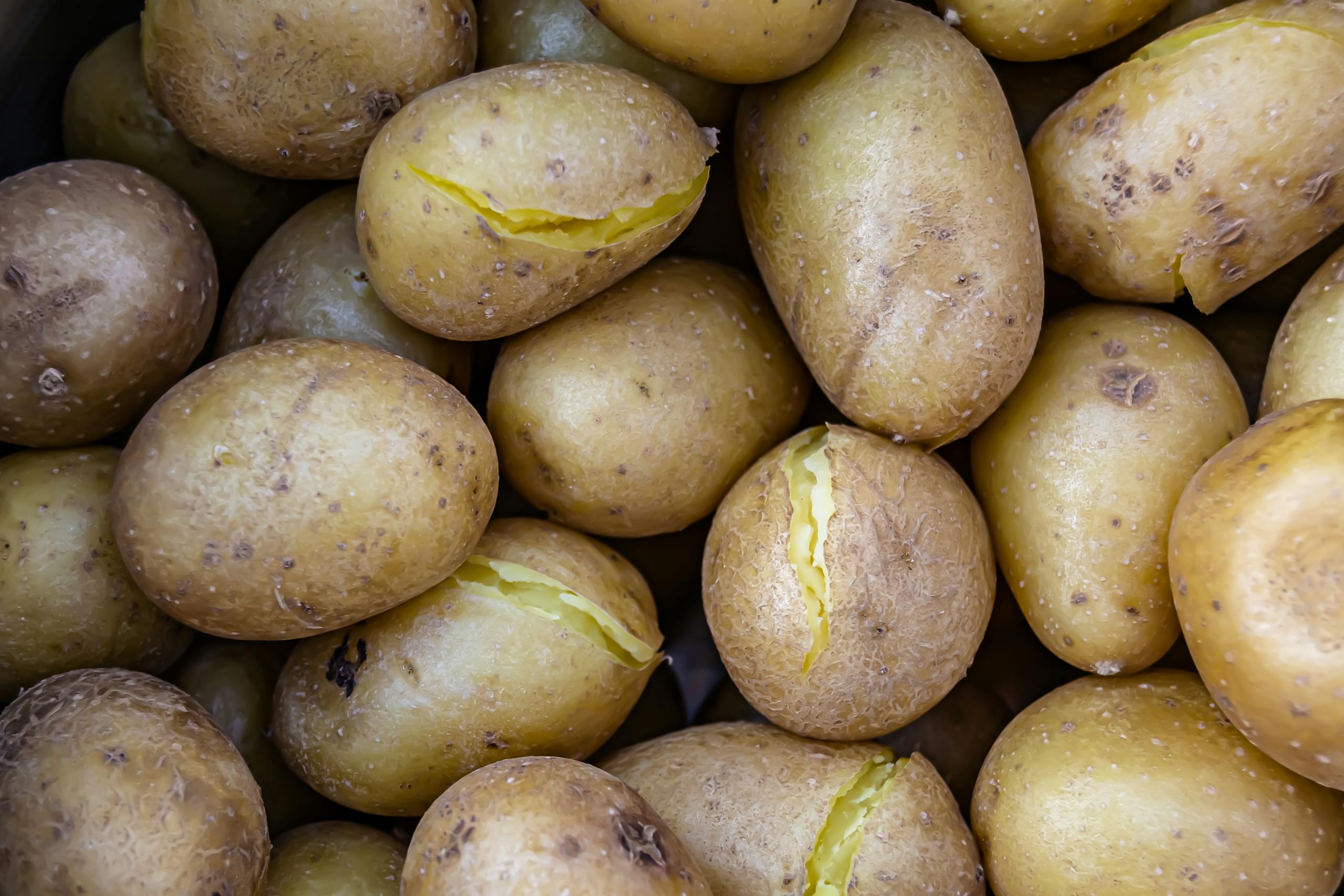
Potatoes naturally release moisture, and plastic bags can trap it instead of allowing it to escape. That damp environment encourages mold and soft spots, especially when the potatoes are stored for several weeks.
A bag may seem convenient because it keeps everything together, but it does not provide much airflow. Potatoes packed tightly together can also develop rot that spreads to nearby ones. A little ventilation can make a noticeable difference.
Choose a Cool and Dark Storage Spot
Potatoes keep best in a cool place, ideally around 45 to 50°F (7 to 10°C). A dark cupboard, pantry, or well-ventilated storage area can work if it stays within a suitable temperature range.
Light is another problem because it can cause potatoes to turn green and produce more solanine, a naturally occurring compound that can be harmful in large amounts. Keep them away from sunny windows and bright kitchen counters. A dark storage spot helps protect their quality.
Use a Basket or Paper Bag Instead
Once you get home, remove potatoes from sealed plastic packaging. Transfer them to a ventilated basket, mesh bag, paper bag with openings, or cardboard box with air holes.
The goal is to let air circulate without exposing the potatoes to light. Avoid piling them too deeply, since potatoes at the bottom can get bruised under the weight. If you have a large supply, divide it between a few containers.
Keep Potatoes Away From Onions
Storing potatoes and onions together might seem like a space-saving idea, but it is better to give them separate spots. Onions release moisture and gases that can affect the quality of nearby produce.
Both vegetables also need good airflow, so crowding them into one container is not ideal. Keep onions in their own ventilated storage area. Your potatoes will have a better chance of staying in good condition.
Check Your Potatoes Regularly
Even with proper storage, potatoes do not all age at the same rate. Check your supply every week or two and remove any that feel unusually soft, look moldy, or show signs of leaking.
One spoiled potato can affect the ones touching it, so catching the problem early matters. Also, avoid washing potatoes before storing them because leftover moisture can encourage spoilage. Brush off loose dirt and wash them when you are ready to cook.
Can Potatoes Really Last Two to Three Months?
Yes, but it depends on the variety, how fresh they were when purchased, and the conditions in your storage area. Mature potatoes kept in a consistently cool, dark place with good ventilation can sometimes last two to three months.
New potatoes and other thin-skinned varieties generally have a shorter storage life. Warm kitchens, fluctuating temperatures, moisture, and bruising can also speed up spoilage. Check them regularly rather than assuming every potato will last equally long.
Should You Store Potatoes in the Refrigerator?
The refrigerator is generally not the best place for raw potatoes. Cold temperatures can change how their starches behave, sometimes making them taste sweeter and brown more quickly when fried.
A cool pantry or cupboard is usually a better choice if it stays dark, dry, and ventilated. If your home is consistently warm, finding the coolest suitable storage area becomes especially important. The main trick is simple: keep potatoes dry, give them room to breathe, and protect them from light.