Every Thanksgiving host has a moment around 3 p.m. when the turkey is resting, the gravy is almost there and every burner is spoken for. That is usually when a guest walks in with a foil-covered pan and asks where to put it in the oven.
That move made a list of 11 rude Thanksgiving guest habits that etiquette experts shared with HuffPost reporter Caroline Bologna, in a story republished on Nov. 21, 2026. Bringing a dish that needs the host’s stove or oven without clearing it first sits on the list next to skipping the RSVP, giving kitchen advice nobody asked for and lingering long after the pie plates are cleared.
1. Not RSVP-ing
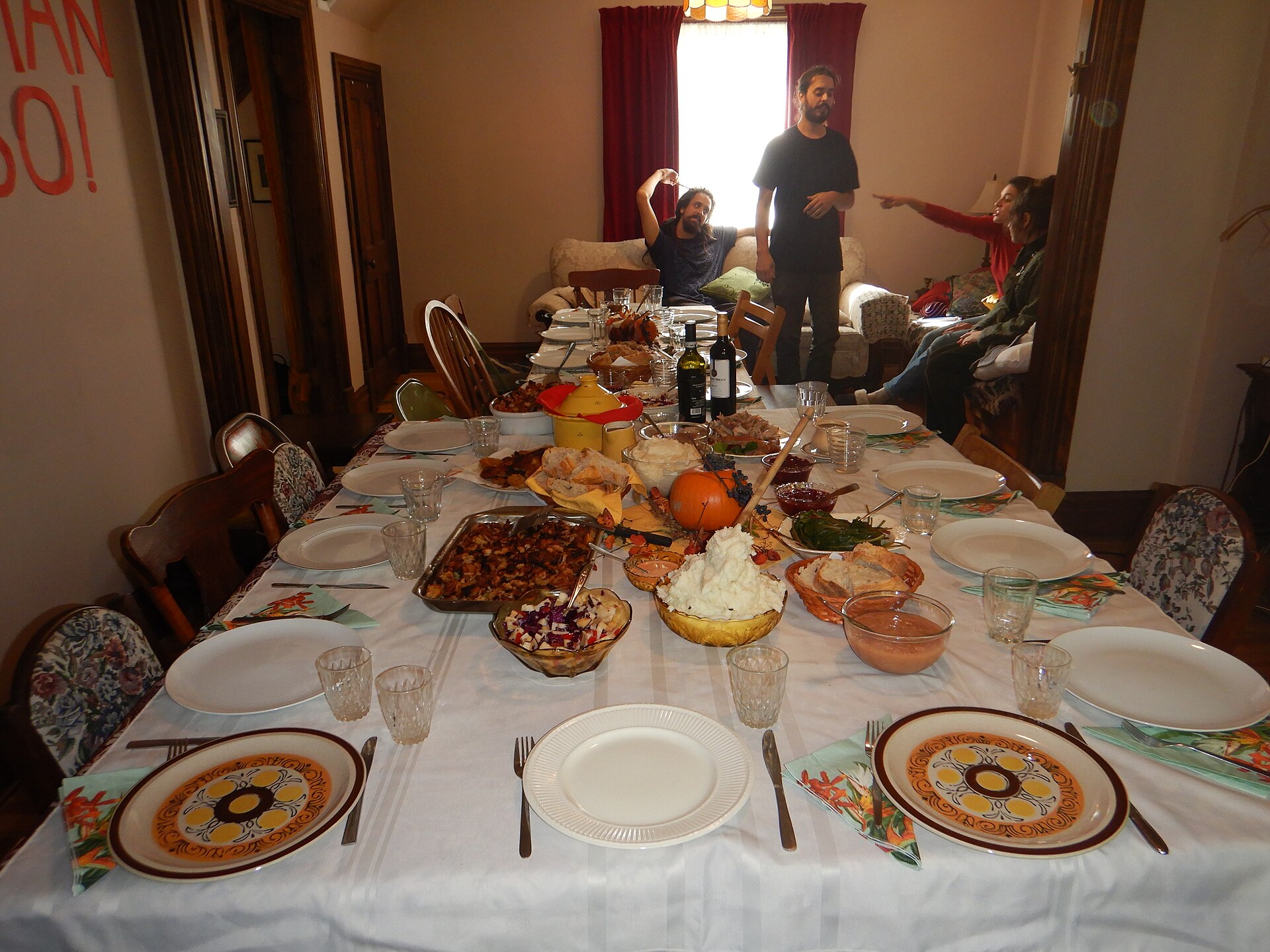
Headcounts drive the whole meal. In HuffPost’s list of the rudest things to do during Thanksgiving dinner, Diane Gottsman, founder of The Protocol School of Texas, says holiday invitations should go out three to four weeks early and an RSVP should come back within the week. The same goes for extra people: an invitation does not cover an unannounced plus-one, since there may not be enough seats, food or place settings.
The French phrase behind the abbreviation, “répondez s’il vous plaît”, simply means “please respond,” which is the whole point.
2. Ignoring the Schedule
Jodi R.R. Smith, president of Mannersmith Etiquette Consulting, advises guests to learn the day’s timetable, since an invitation for noon may mean dinner at 4. Gottsman’s rule is simple: don’t arrive early, and certainly don’t arrive late, because the host has the meal “carefully timed.” A predictable timetable also helps hosts keep their energy through a long season, the idea behind a guide to keeping a steady holiday pace, and guests juggling more than one stop can find more of the same thinking in 12 rules for holiday houseguests.
3. Bringing a Dish That Needs the Host’s Oven
This is the headline habit. Nick Leighton, co-host of a long-running etiquette podcast with comedian Leah Bonnema, says that unless it is cleared with the host ahead of time, guests should not bring any food that has to go on the stove or in the oven. The host is busy cooking and almost never has a free rack or burner to spare.
Hosts who want a backup plan for oven space can look at countertop options in a comparison of air fryers and toaster ovens that free up the oven, and 4 kitchen zones to set up before Thanksgiving dinner helps keep guests’ dishes from piling up by the stove.
4. Starting Tense Conversations
August Abbott, an etiquette expert with JustAnswer, says big family gatherings mean a clash of personalities, beliefs, politics and opinions, and the old rule against religion and politics at the table is hard to enforce but worth enforcing. “This is not what the day is about,” Abbott said. Smith adds that changing someone’s mind at the Thanksgiving table rarely happens. Plenty of households will recognize the topics in 6 things families quietly argue about at Thanksgiving dinner.
5. Prying Into Personal Business
Gottsman says guests should not give parenting advice, correct other people’s children or ask awkward questions about marriage or kids. Smith suggests bringing a few safe topics instead, such as travel, books, music, food, sports and holiday memories. Food customs themselves make easy conversation, especially the ones in odd American traditions that confuse the rest of the world.
6. Taking Over the Kitchen Uninvited
“Refrain from giving the host advice on how to season the food,” Gottsman said. Abbott has a gentle fix for hosts stuck with a kitchen critic: invite that guest to taste, thank them for the notes, then steer them back out of the kitchen. Many of these courtesies have been around for generations, and some have faded, as 15 old-school etiquette rules that have disappeared shows.
7. Keeping Food Restrictions a Surprise
Gottsman says a guest who cannot eat a certain food should tell the host in advance and offer to bring a casserole to share. Smith adds that if a host is unlikely to plan around those needs, the guest can eat beforehand and bring a side dish that works. Throwing a fit at the table is not on the menu. The Emily Post Institute’s Thanksgiving tips give the same advice: offer a dish or two, but don’t dictate the menu.
8. Only Talking to Familiar Faces
“Make conversation with new people,” Gottsman said. Mingling with guests outside the usual circle is polite, and it also gives everyone a break from the relatives they see all the time.
9. Showing Up Empty-Handed
Smith suggests a hostess gift that helps fill the hours around the meal, such as a board game or a movie, or an outing like a group walk. Leighton adds that a note of thanks afterward matters too, joking that the only thing better than an invitation to Thanksgiving dinner is an invitation back.
10. Assuming the Leftovers Are Up for Grabs
The host made the food, and the host decides where it goes. “Don’t ask for a doggie bag if one is not offered,” Gottsman said. Leighton agrees that guests should wait for an invitation before filling containers. A meal that big is a classic piece of Thanksgiving dinner tradition, and the leftovers are part of the host’s payoff.
11. Staying Long After Dinner
Leighton jokes that once the hosts have changed into pajamas, it is time to go. Gottsman’s rule is more practical: don’t be the first out the door or the last straggler. “When people start to retrieve their coats and walk towards the door, do the same,” she said.
None of these rules is new, and that is the point. A guest who replies on time, brings a dish that needs no oven and leaves when the coats come out tends to get invited back.
This article was produced with AI assistance and edited for accuracy against the sources linked above.