A pot of soup on the back burner, a skillet of onions up front, and the phone ringing in the next room. For anyone who cooks alone, that small moment of stepping away is where a lot of kitchen trouble begins.
The American Burn Association says cooking causes about 47% of all home fires, and adults over 65 face a much higher chance of serious harm when a kitchen fire starts. Its fact sheet for older cooks boils down to 8 habits worth dropping for good, from walking away from a frying pan to reaching for water when a pan flares up.
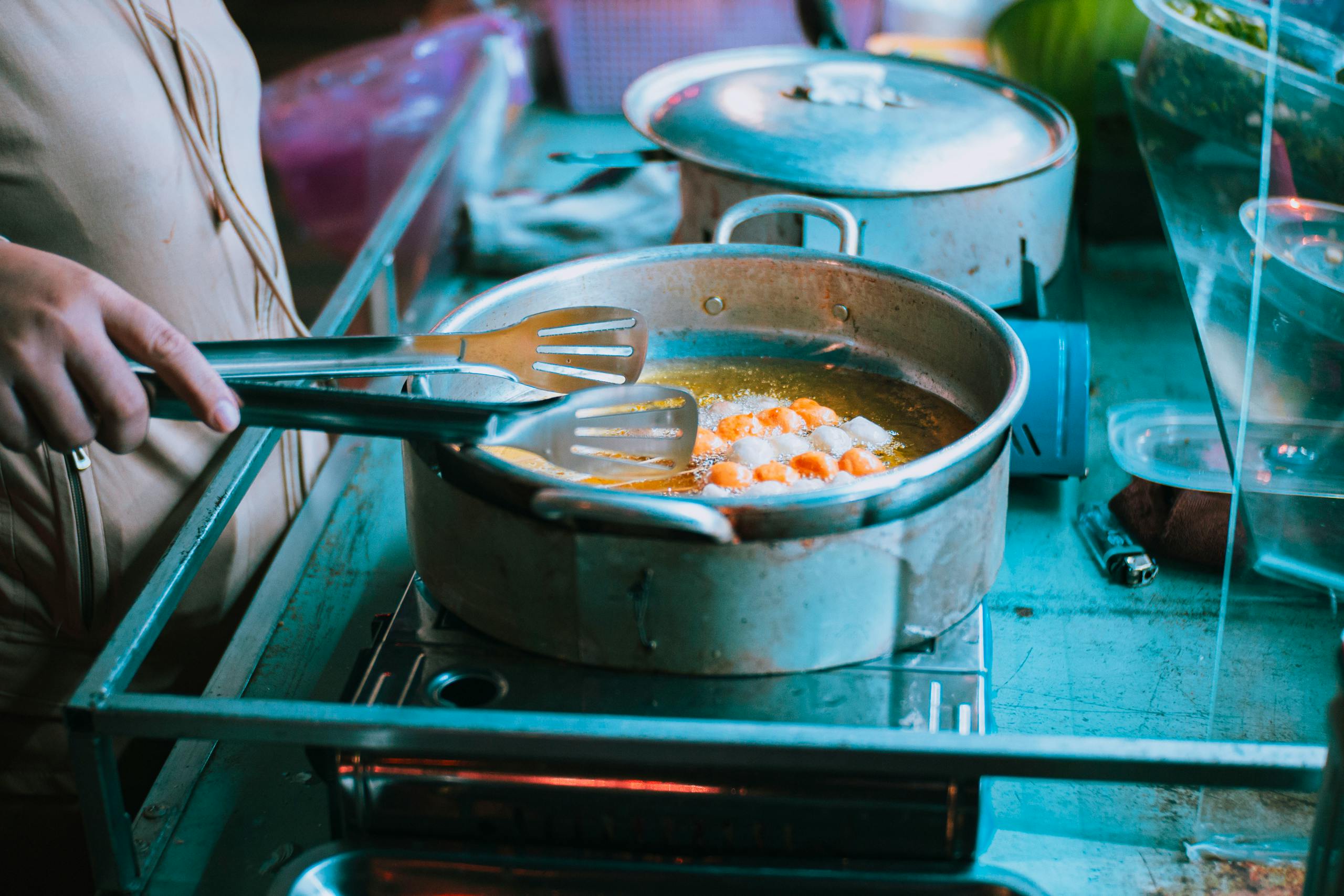
1. Walking Away From a Frying, Grilling or Broiling Pan
The first rule on the American Burn Association’s cooking sheet for older adults is the simplest: stay in the kitchen while frying, grilling or broiling. If leaving the room can’t wait, the stove gets turned off first.
Federal numbers back this up. The U.S. Fire Administration counts an estimated 170,000 home cooking fires in 2021 and names unattended equipment as the leading factor, at 37% of nonconfined cooking fires.
2. Cooking While Drowsy
The association asks older cooks to be alert and awake before turning on a burner. If eyelids are heavy, a sandwich or a bowl of cereal is the smarter supper.
The same thinking applies to long, slow dishes. For anything simmering, baking, roasting or boiling, the sheet says to check the food regularly, stay at home, and set a timer as a reminder. A list of clever kitchen tricks for home cooks shows how much a timer can do.
3. Cooking in Loose, Flowing Sleeves
A roomy cardigan or a bathrobe is comfortable, but a dangling cuff can catch a flame while reaching across the range. The association recommends short or close-fitting sleeves at the stove. It is the kind of practical rule a grandmother in a 1960s kitchen would have repeated, back when slang like “groovy” was everywhere, and a roundup of swinging ’60s slang is a fun reminder of how long some kitchen wisdom has been around.
4. Using the Front Burners With Handles Sticking Out
A pot handle jutting over the edge of the stove is easy to bump with a hip or an elbow. The association’s advice is to cook on the back burners when possible and turn pot and pan handles toward the back. Boomers tend to have plenty of these hard-won rules, and a collection of advice worth taking from boomers shows how many of them still hold up.
The holiday season makes this more pressing, since Thanksgiving packs a lot of cooking into one day, one of the odd American traditions that confuse the rest of the world. A Thanksgiving cooking fire checklist pairs well with the association’s sheet, and a piece on keeping a calmer holiday pace makes the case for not cramming every task into one afternoon.
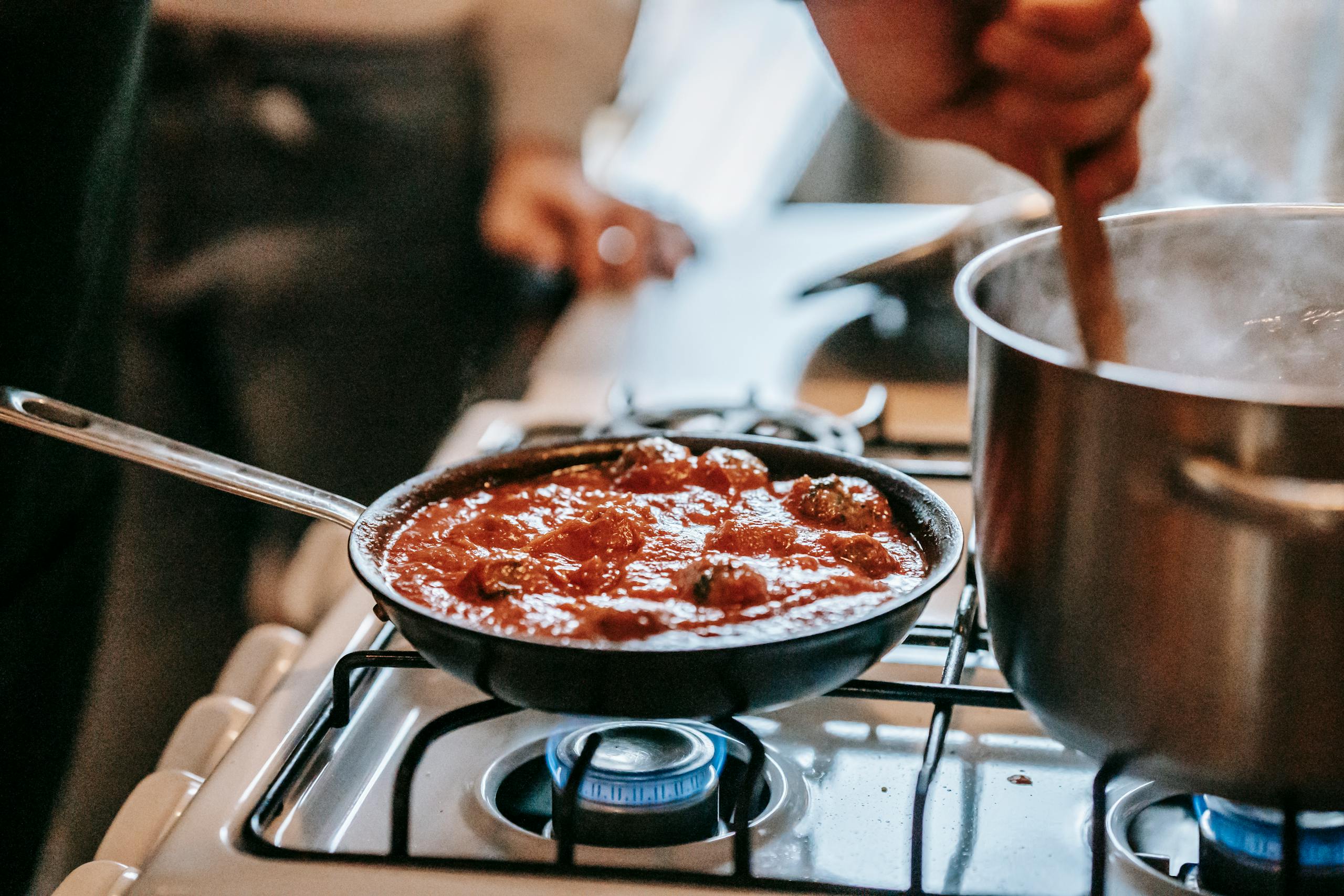
5. Letting Grease Build Up on the Stove, Oven and Exhaust Fan
Old grease is fuel. The association recommends wiping down the stove, the oven and the exhaust fan so drips and splatters don’t collect. When frying, a lid or splash guard cuts down on grease spatter in the first place.
That cleanup fits naturally into holiday prep, and a degreased range hood belongs on any list of kitchen checks to make before Thanksgiving dinner.
6. Cooking Without a Lid and Dry Mitts Within Reach
The association wants a pan lid and dry potholders or oven mitts nearby every time the stove is on. Damp mitts are a poor shield against a hot handle, and a lid that is buried in a cabinet does no good when a pan flares up. It also suggests double-checking that every burner and appliance is off once the meal is done.
The fire administration adds that if smoke appears or grease starts to boil, the burner should be turned off right away. A ready lid or baking sheet is the backup plan.
7. Throwing Water on a Pan Fire or Carrying a Burning Pot
This is the habit the association warns against most firmly. Water can spread a grease fire and create scalding steam, and moving the pot can spill hot contents. Instead, the sheet says to cover the pan with its lid or a cookie sheet, turn off the heat, and leave it covered until it is completely cool. With the lid on and the heat off, the fire should go out on its own.
A fire blanket is another option some households keep near the stove; small kitchen versions are usually made of glass fiber and fold into a quick-release pouch.
8. Opening the Oven or Microwave Door on a Fire
If the flames are inside the oven or the microwave, the association says to keep the door closed and turn the appliance off, then wait until it cools completely. The fire stays contained inside the box that way.
The microwave has its own smaller rules on the sheet: use microwave-safe containers that let steam escape, and let food rest a moment before taking it out, so a burst of steam doesn’t catch the cook off guard.
And if a fire gets out of control, the association’s instruction is plain: get out, stay out, and call 911, and don’t go back inside. The American Red Cross says a home fire can leave as little as two minutes to escape, and it recommends smoke alarms on every level of the home, tested every month.
Power outages bring a different temptation. Ready.gov notes that charcoal grills and camp stoves are for outdoor use only, so a camp stove belongs on the patio, not on the kitchen counter, even when the electric range is out.
None of these 8 habits requires new equipment or a kitchen remodel. A lid on the counter, the stove switched off before answering the door, and handles turned inward are small changes, and for someone cooking alone they are the difference between a burned dinner and a much worse evening.
This article was produced with AI assistance and edited for accuracy against the sources linked above.