The table is set, the rolls are warm, and within ten minutes two grown siblings are bickering about who got the bigger bedroom in 1994. Plenty of families know the scene, and plenty wonder why a meal meant to bring everyone together so often sets them off instead.
Psychotherapist Sean Grover names 3 reasons families fight more over the holidays: exhaustion, regression and overindulgence. Regression is the one that explains the sibling flare-ups, he says, because going back to a childhood home can wake up old rivalries, grudges and resentments right there at the dinner table.
Reason 1: Everyone Arrives Exhausted
Grover, a psychotherapist and author, laid out his reasoning in a Psychology Today post published Dec. 19, 2023. He points out that the holidays bring the busiest travel days of the year, with crowded airports, packed trains, flight delays, traffic jams and sold-out rental cars. Add too little sleep and last-minute shopping, he writes, and a guest can walk through the door already frayed.
That is before anyone has peeled a potato. The cooks have often been up since dawn, and the travelers have spent hours in a car or a terminal. Long highway drives past some of the worst American tourist attractions do little to improve anyone’s mood on arrival, and a few simple checks on the things never to do before holiday travel can at least take some hassle out of the trip.
Pacing matters too. Uncle Jo Living’s piece on getting through the holidays without arriving at January in pieces makes the case for keeping some ordinary routines through the busy season, which fits Grover’s advice almost word for word.
Reason 2: Regression Brings Old Sibling Rivalries Back
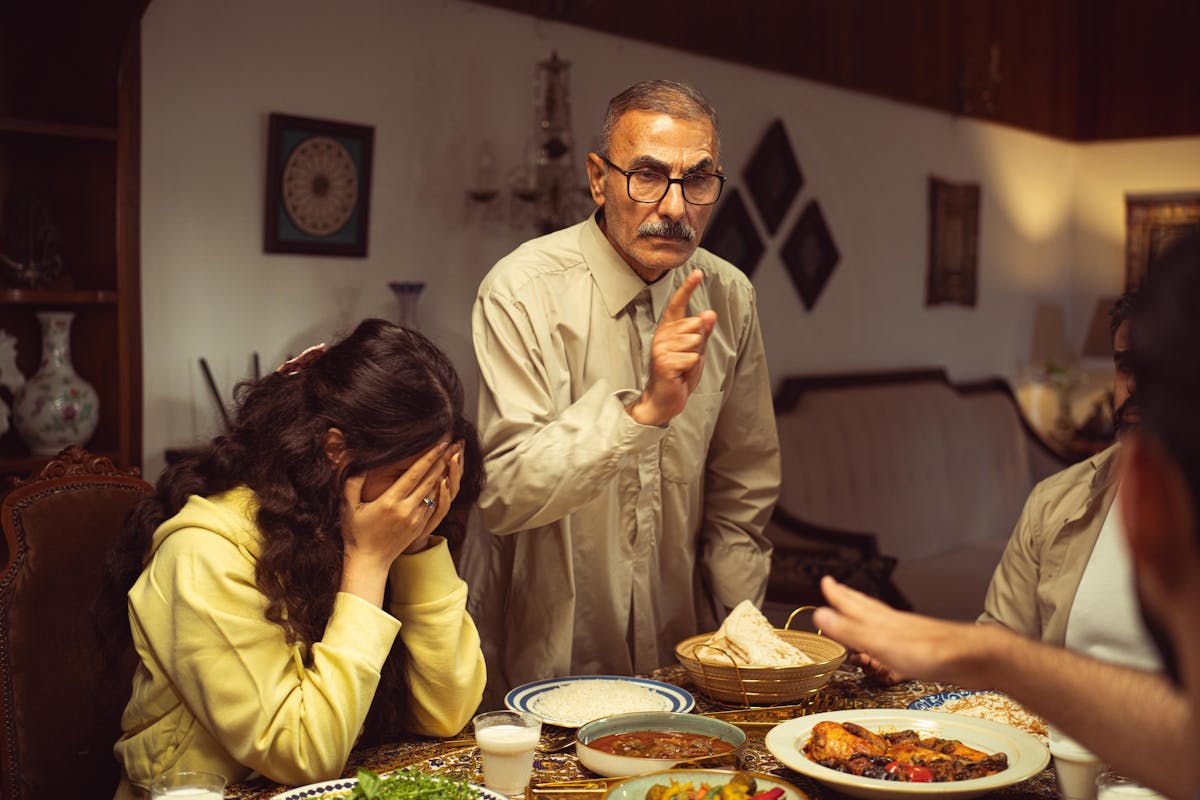
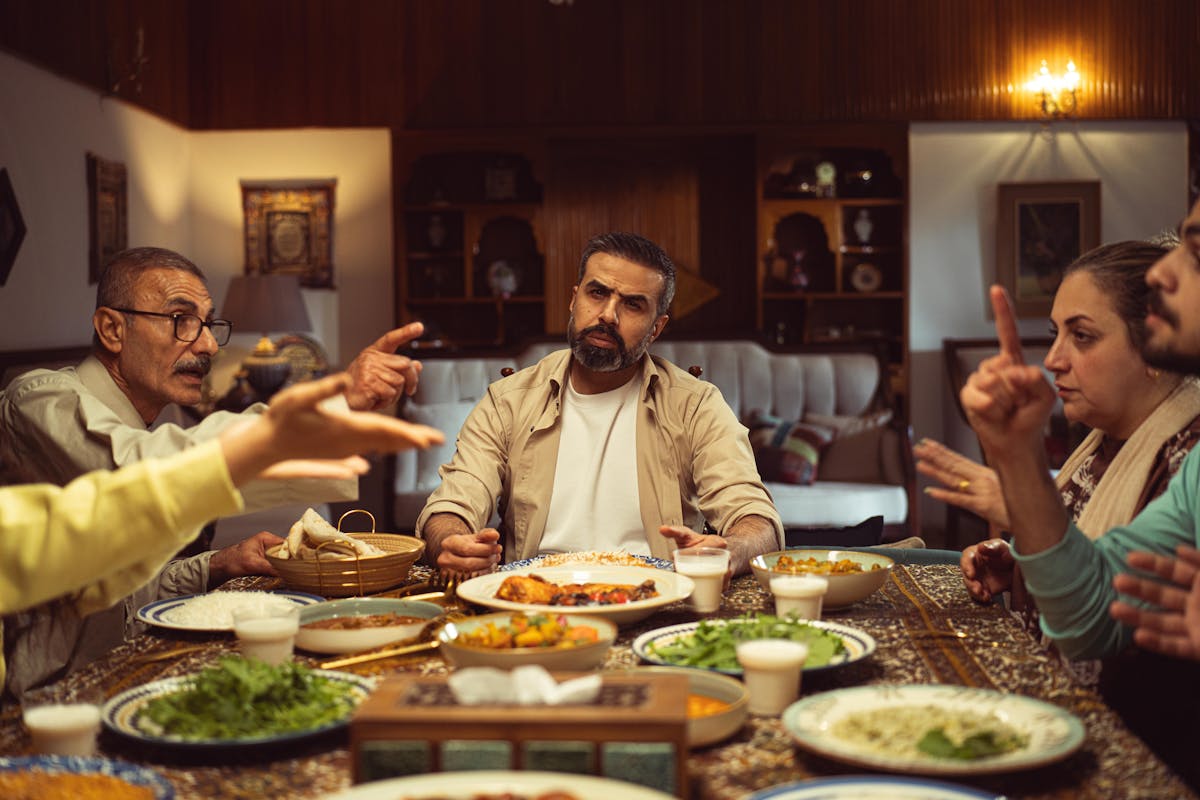
This is the core of the problem for many families. Grover writes that once adults are back in the company of their parents and siblings, “an emotional regression occurs.” Immature childhood behaviors resurface, he says, including rivalry, competition, grudges, tensions and deep-seated resentments.
The pattern is an old one. Sibling rivalry is described as competition or animosity among siblings, shaped by things such as how parents handle each child, birth order and personality, and it tends to be stronger when children are close in age. At a holiday table, that can sound like the same arguments over who helps with the dishes or who was always the favorite. A look at the signs someone was the youngest child in the family shows how birth order roles tend to stick well into adulthood.
AARP’s guide to family dynamics during the holidays describes the same thing: family members often fall, or get dragged, into their old childhood roles, and even adults with kids and careers of their own can be made to feel like children again. The quarrels often follow the familiar list of things families argue about at Thanksgiving dinner, from the menu to the seating plan.
Reason 3: Overindulgence at the Table
Grover’s third reason is overindulgence. The holidays, he notes, tend to bring overeating and plenty of drinks at family gatherings, and he says that combination leads to poor judgment, faulty decision-making and lapses in impulse control. A long afternoon of wine with the turkey, in other words, is not the best setting for revisiting an old family grudge.
Some of the season’s quirks add to the pressure. Many odd American traditions revolve around enormous meals, and the list of strange Thanksgiving traditions everyone pretends are normal shows how much expectation gets piled onto a single day.
Grover’s Tips for Keeping the Peace
Grover offers a short list for keeping family drama from boiling over. His first tip is blunt: “Lay off the booze.” He also suggests to “Arrive well rested,” even if that means booking a hotel the night before. Taking breaks for a walk and fresh air, stepping away from hot topics such as politics, and having an escape plan to leave early round out the list.
NPR’s Life Kit reached a similar conclusion in its guide to common in-law issues, where writer R. Eric Thomas suggested deciding ahead of time to keep hot-button political topics off the table at family get-togethers.
What Parents Can Do When Siblings Clash
The AARP guide also speaks to the parents hosting the meal. It quotes Mudita Rastogi, a clinical professor with the Family Institute at Northwestern University, who warns against picking a side when grown children argue. Rastogi calls that “triangulating,” and AARP notes it can make family conflict worse. Instead, parents are encouraged to offer support without condoning what either sibling is saying, and to schedule some one-on-one time with different family members.
Small practical choices help as well. Utah State University Extension’s guide to preparing for holidays with the in-laws suggests giving every relative a job, from carving the turkey to bringing the paper plates, so everyone feels part of the day. And when a heated conversation keeps dishes sitting on the table, the U.S. Department of Agriculture’s leftovers guidance is a useful reminder that cooked food should go into the refrigerator within 2 hours.
None of the 3 reasons means a family is doomed to a shouting match over the sweet potatoes. A rested crew, a clear plan for who cooks what, a lighter hand with the wine and a few rules about who stays out of whose old arguments can keep the focus where it belongs: on the food and the people around it.
This article was produced with AI assistance and edited for accuracy against the sources linked above.