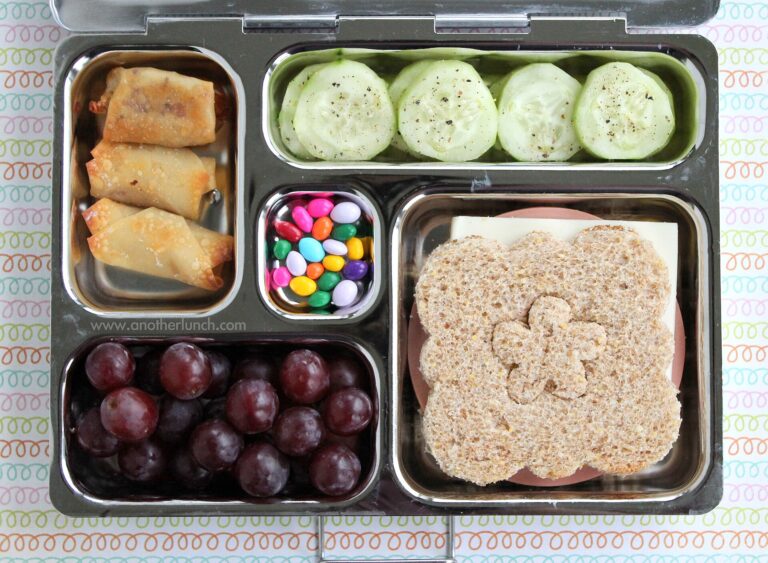
The school lunch tray has looked much the same for decades: a main dish, a side, a carton of milk and, on a good day, something bright and fruity for dessert. That bright color is the part lawmakers in a growing list of states have decided to change.
Five states already limit certain synthetic dyes in school food, and 8 more have rules on the books that have not kicked in yet. Virginia goes first on July 1, 2027, followed by Nebraska, Tennessee, Iowa, California, Alaska, New Hampshire and Louisiana, with the last of them starting in the 2028-29 school year.
Where the Count Comes From
The tally comes from the Regbase state food additive and dye tracker, a 50-state log of additive laws last updated Nov. 14, 2026. It counts 13 states with an enacted school-meal law. In 5 of them the limits already apply: West Virginia since Aug. 1, 2025, Delaware since July 1, 2026, and Utah, Arizona and Texas from the 2026-27 school year. The other 8 phase in between July 2027 and the 2028-29 school year.
Food rules that differ from place to place are nothing new. Plenty of countries have their own lists of what can and cannot go on a plate, as a roundup of food laws and rules in other countries shows, and the U.S. is now building a state-by-state patchwork of its own, much like the school cellphone rules that vary across 46 states.
Virginia: July 1, 2027
Virginia’s law, Senate Bill 1289, was signed March 21, 2025, and takes effect July 1, 2027. It covers 7 dyes in public school meals. That puts Virginia at the front of the line among the states still waiting, a month before the next wave arrives. The lunch tray itself, with its milk carton and divided compartments, is the kind of everyday ritual that ends up on lists of American traditions that confuse the rest of the world, and its colors are now set by statehouses.
Virginia families have already seen food rules shift at the grocery store this fall, with new SNAP drink rules in South Carolina and Virginia starting Nov. 1, so the school-meal change adds one more date to the calendar.
Nebraska, Tennessee and Iowa: The 2027-28 School Year
Three states line up for the next school year. Nebraska’s LB 940, which limits certain color additives in school meals, was approved April 14, 2026, and applies on or after Aug. 1, 2027, according to the tracker’s reading of the slip law.
Tennessee already had a 2025 rule on Red 40. Its newer law, Senate Bill 2423, signed in 2026, widens that to all synthetic dyes starting with the 2027-28 school year.
Iowa’s House File 2676, signed May 20, 2026, applies to school years beginning on or after July 1, 2027. It is one of the broader laws on the list. It names 6 dyes (Red 40, Yellow 5, Yellow 6, Blue 1, Blue 2 and Green 3) plus potassium bromate and propylparaben, and it reaches program meals, food handed out by staff or vendors during the school day and on-campus sales. Public districts, charter schools and nonpublic schools that take state breakfast and lunch funds are all covered.
The laws are written around food schools serve or sell, and plenty of families already think hard about what goes in the lunchbox they pack themselves; a list of easy lunch ideas for kindergarten is a reminder of how much planning goes into a single midday meal.

California: Dec. 31, 2027
California’s school rule, Assembly Bill 2316 from 2024, takes effect Dec. 31, 2027, and covers 6 dyes in public schools: Red 40, Yellow 5, Yellow 6, Blue 1, Blue 2 and Green 3, the tracker shows. California also has a separate, slower plan. Its 2025 law on ultraprocessed foods in schools calls for state regulations by June 1, 2028, with a phase-out running from the 2029-30 through the 2035-36 school years.
Alaska: Jan. 1, 2028
Alaska’s Senate Bill 187 became law without the governor’s signature on June 18, 2026, as Chapter 17 of the 2026 session laws. Starting Jan. 1, 2028, a public school may not serve a food or drink containing 7 dyes (Red 3, Red 40, Yellow 5, Yellow 6, Blue 1, Blue 2 and Green 3) as part of a breakfast or lunch it provides to students during the school day.
New Hampshire: July 1, 2028
New Hampshire’s law, Senate Bill 577, was signed July 2, 2026, and takes effect July 1, 2028. It is narrower than most. It bars just 3 color additives (Red 3, Citrus Red No. 2 and Orange B) from food served as part of a school breakfast or lunch at public schools. The other 6 petroleum-based dyes are not banned there; schools are only encouraged to avoid them, and food sold outside the meal programs, such as vending, fundraisers and food students bring from home, is exempt, according to the tracker.
Louisiana: The 2028-29 School Year
Louisiana closes out the list. Its Senate Bill 14 from 2025, Act 463, adds a section to state education law listing ingredients that may not be served to students at public schools and state-funded nonpublic schools. It takes effect beginning with the 2028-29 school year.
What Changes on the Tray
For most families, the change will show up quietly, in which brightly colored items a school can put on the serving line. Scope differs from state to state: Iowa’s law reaches food handed out by staff and vendors during the school day, while New Hampshire’s exempts vending, fundraisers and food students bring from home. The rule that matters is the one in a family’s own state.
The dates run from July 1, 2027, in Virginia to the 2028-29 school year in Louisiana, which gives cafeterias, food companies and parents more than 7 months before the first of the 8 new rules arrives.
This article was produced with AI assistance and edited for accuracy against the sources linked above.
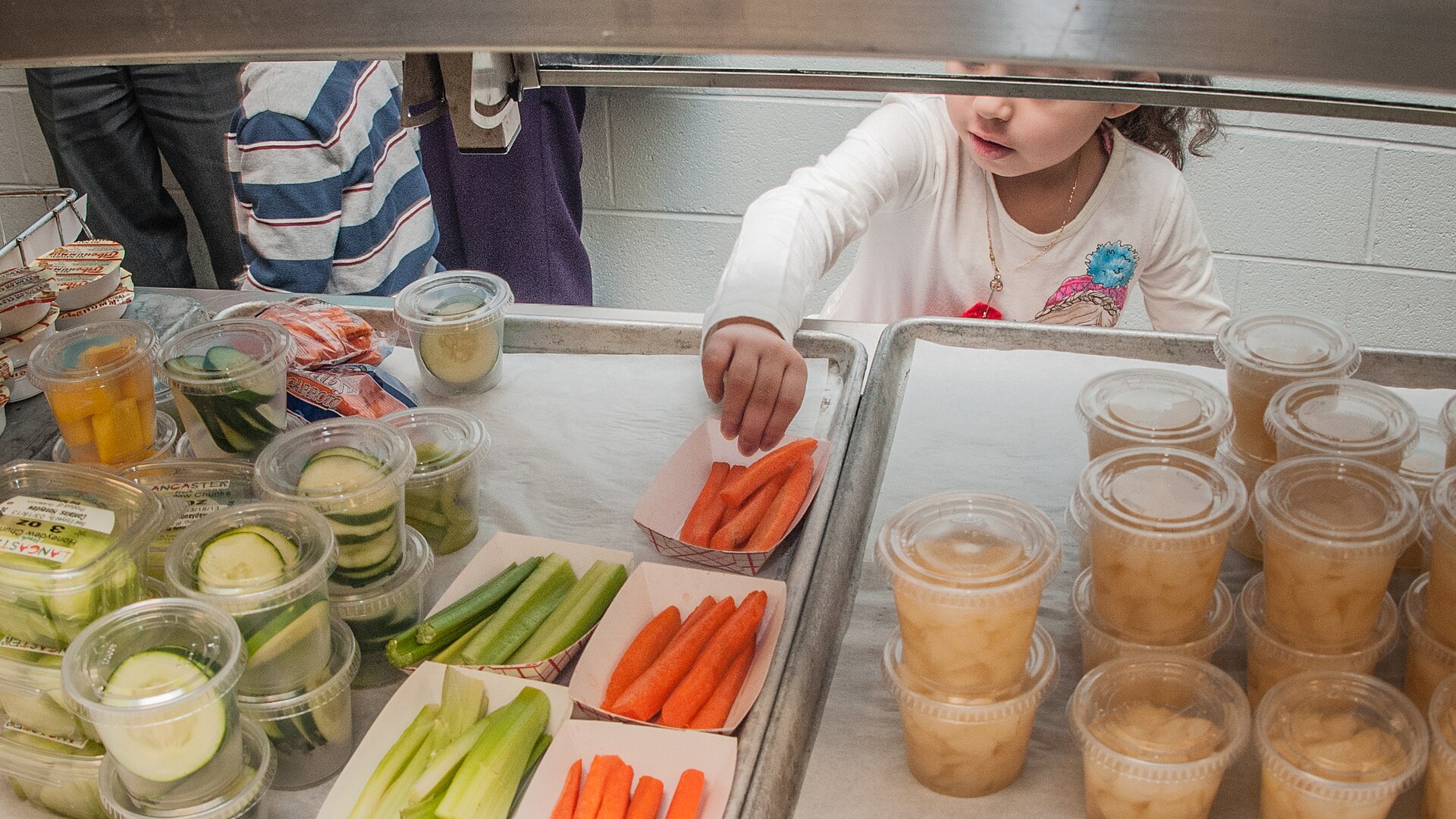
Image: U.S. Department of Agriculture – Public domain/Wikimedia Commons