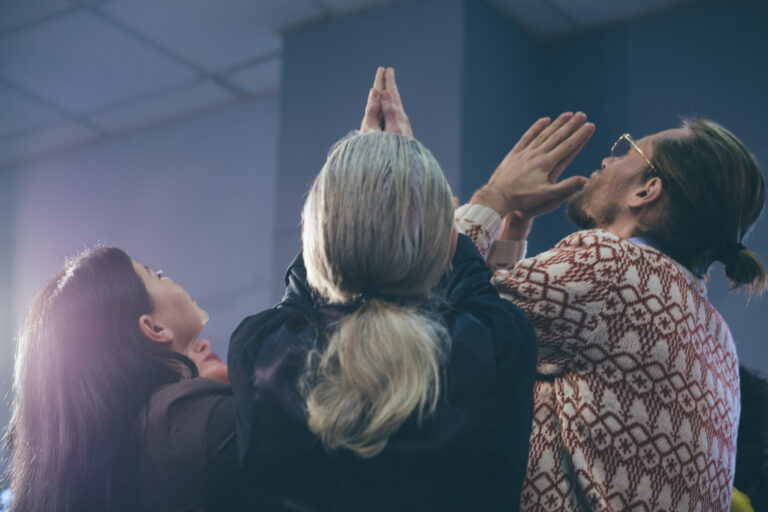
Hosting Thanksgiving for the in-laws is a big job even when the guest list stays put. The table gets set days ahead, the menu is planned to the last side dish, and the host knows exactly how many chairs to pull out of the closet.
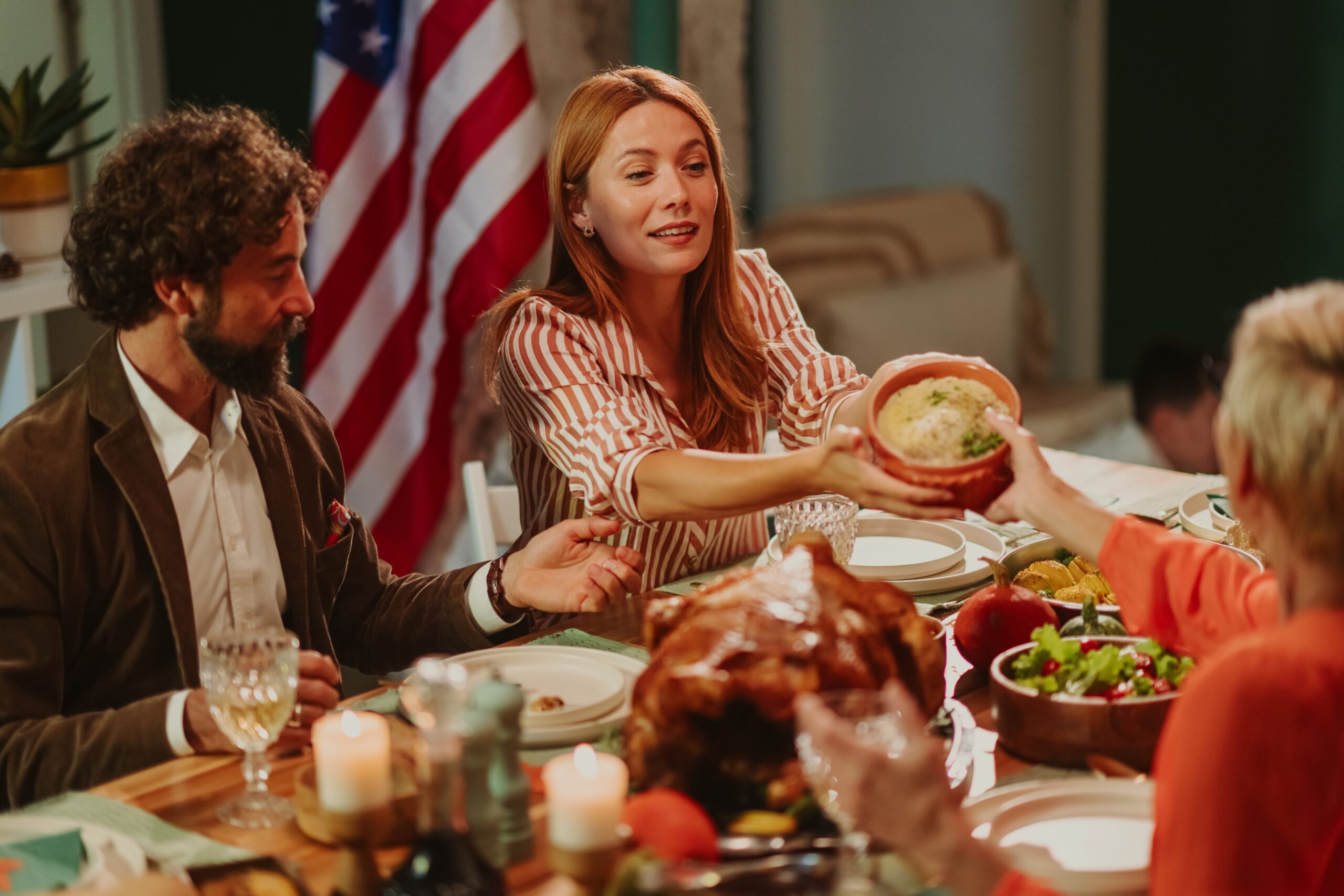
One woman, now heading into her second year hosting her husband’s family for Thanksgiving, told Miss Manners that last year her brother-in-law and his wife invited the wife’s parents, brother and niece, relatives the host barely knew. She asked how to say the invitation does not extend to them. Miss Manners answered by asking whether the Thanksgiving legend is not, at its core, about inclusive hospitality.
What the Host Wrote
The letter ran in the Miss Manners column dated Oct. 27, 2026, under the headline “Extra Guests At Thanksgiving Are Kinda The Point.” The column is written by Judith Martin with her children, Nicholas Ivor Martin and Jacobina Martin, and the same letter also appeared that day in the Anchorage Daily News.
The host explained that she made room for the extra relatives last year but would rather not have guests invite people she barely knows into her home on a holiday. She wanted a polite way to say that her brother-in-law and his wife were welcome, but the wife’s extended family was not part of the invitation.
She also offered some background. Her husband grew up with extra guests at the family table on holidays, so his brother seemed to think that was simply what people do. And her sister-in-law, she said, does not like to cook and did not want to host, while the letter writer puts a lot of time and effort into the table setting and the special meal.
Plenty of hosts will recognize the mix of planning and surprise. CraftingYourHome.com’s guide to Thanksgiving hosting tips on RSVPs and takeout covers how hosts can pin down a head count early, and Frenz Hub’s etiquette tips for the perfect houseguest looks at the same holiday from the guest’s side of the door.
What Miss Manners Said
The reply did not hand the host the polite brush-off she was hoping for. Miss Manners pointed to the story behind the holiday and asked whether it is not about inclusive hospitality, adding that she was not raising the point to push an unwanted burden on the host.
The columnist drew a clear line between two kinds of complaints. If the host had argued that cooking for so many people was too much work, Miss Manners wrote, she would have been sympathetic. In that case she would have suggested enlisting help, starting with the host’s husband, or asking other relatives to take a turn hosting, noting that the sister-in-law had apparently been excused on exactly those grounds.
But Thanksgiving, she concluded, is “just not the occasion to complain about breaking bread with” people the host barely knows, especially since the host had met them the year before and they are related to her husband’s brother.
Miss Manners has been fielding questions like this one for decades. Judith Martin began writing Miss Manners in 1978, and the column has since run in more than 200 newspapers, with her children sharing credit since 2013. Big, open holiday tables are one of the customs that puzzle visitors, as Frenz Hub’s list of odd American traditions that confuse the rest of the world points out, and Frenz Hub’s roundup of strange Thanksgiving traditions shows how much every family’s version of the day differs.
Disagreements like this one are common enough around the holiday table that CraftingYourHome.com has a whole piece on what families argue about at Thanksgiving dinner.
The Legend Miss Manners Had in Mind
The story behind the holiday does involve a crowded table. The history of Thanksgiving in the United States traces the popular “first Thanksgiving” to a three-day harvest celebration at Plymouth in the fall of 1621. In a letter quoted there, Edward Winslow described the Wampanoag leader Massasoit arriving with some ninety men, who were entertained and feasted for three days and brought five deer to share.
The history of the Thanksgiving dinner notes that Winslow wrote that letter on Dec. 11, 1621, hoping to attract more colonists. That three-day gathering of two very different communities is the legend most people picture when the holiday comes up.
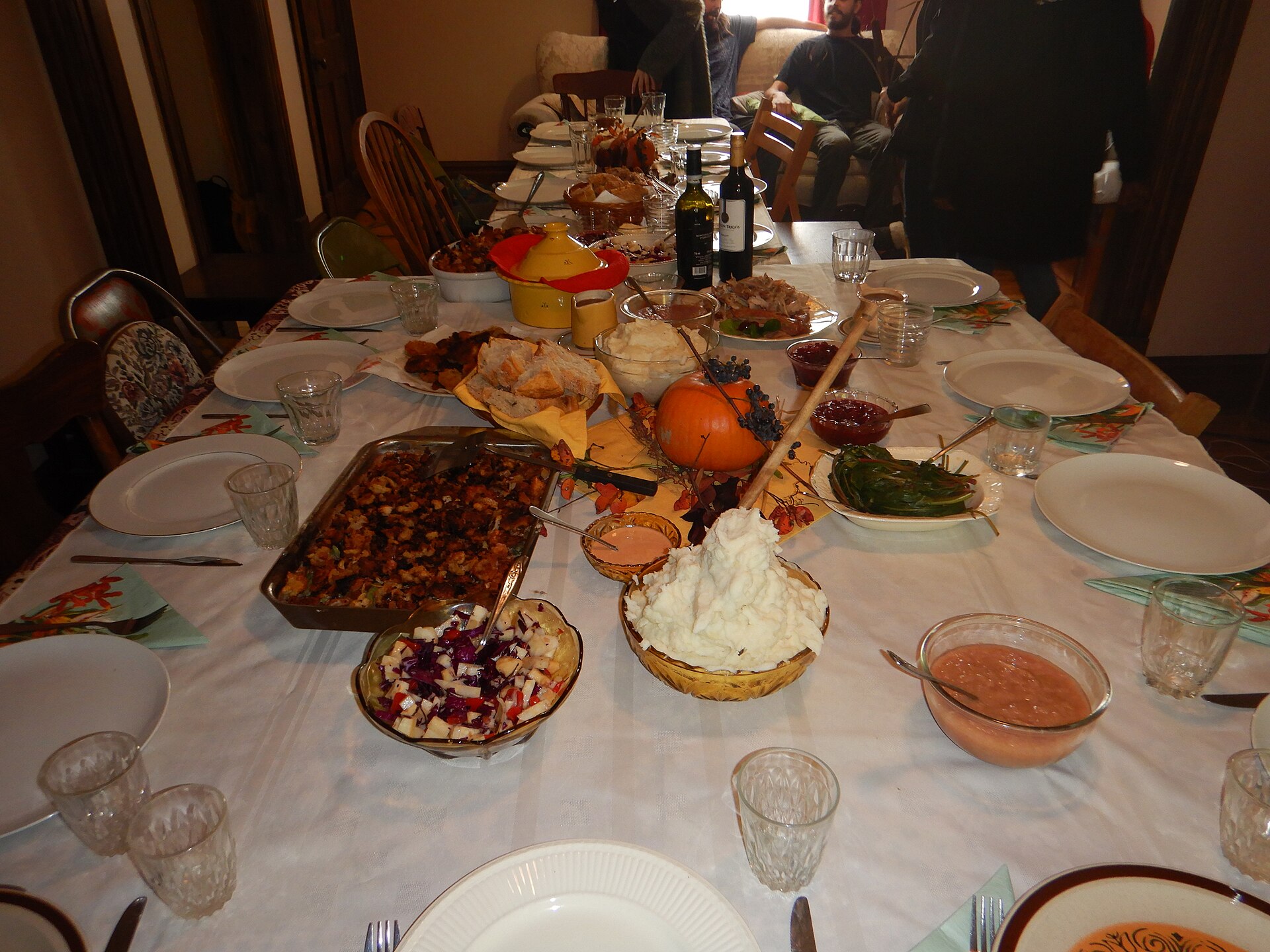
The modern date came much later. According to the National Archives, Congress settled on the fourth Thursday in November, and President Franklin Roosevelt signed the resolution on Dec. 26, 1941. The idea of a generous holiday table is far older than the date on the calendar.
Why the Letter Struck a Nerve
The letter touches a question many families face every November: who gets to add names to the guest list? For the host, the issue was being asked to welcome near-strangers into a meal she had planned with care. For her in-laws, extra guests at the holiday table were simply how the family had always done it.
Miss Manners sided with the open table, but she left a door open on the workload. A host who feels stretched thin has a fair case for asking for help or sharing the hosting, and the column suggested starting with the host’s own husband. Splitting the cooking, the shopping or the cleanup can make a bigger guest list far easier to carry.
The answer is a reminder that Thanksgiving etiquette cuts both ways. Guests who bring extra relatives could check with the host first. Hosts, in the view of Miss Manners, might see a few unexpected faces as part of what the holiday is meant to be.
This article was produced with AI assistance and edited for accuracy against the sources linked above.