Some families have one house where everything happens: the turkey, the folding tables, the cooler of drinks in the backyard every summer. The people who run that house rarely keep score, until something makes them start.
That is what happened to a longtime host who wrote to Miss Manners in a column published Nov. 12, 2026. She and her husband, both from large families, have hosted family parties and holiday gatherings for years, and her children now host holidays and backyard barbecues too. This year, the last three of their nieces and nephews, all in their 40s, got married, and no one in the family was invited.
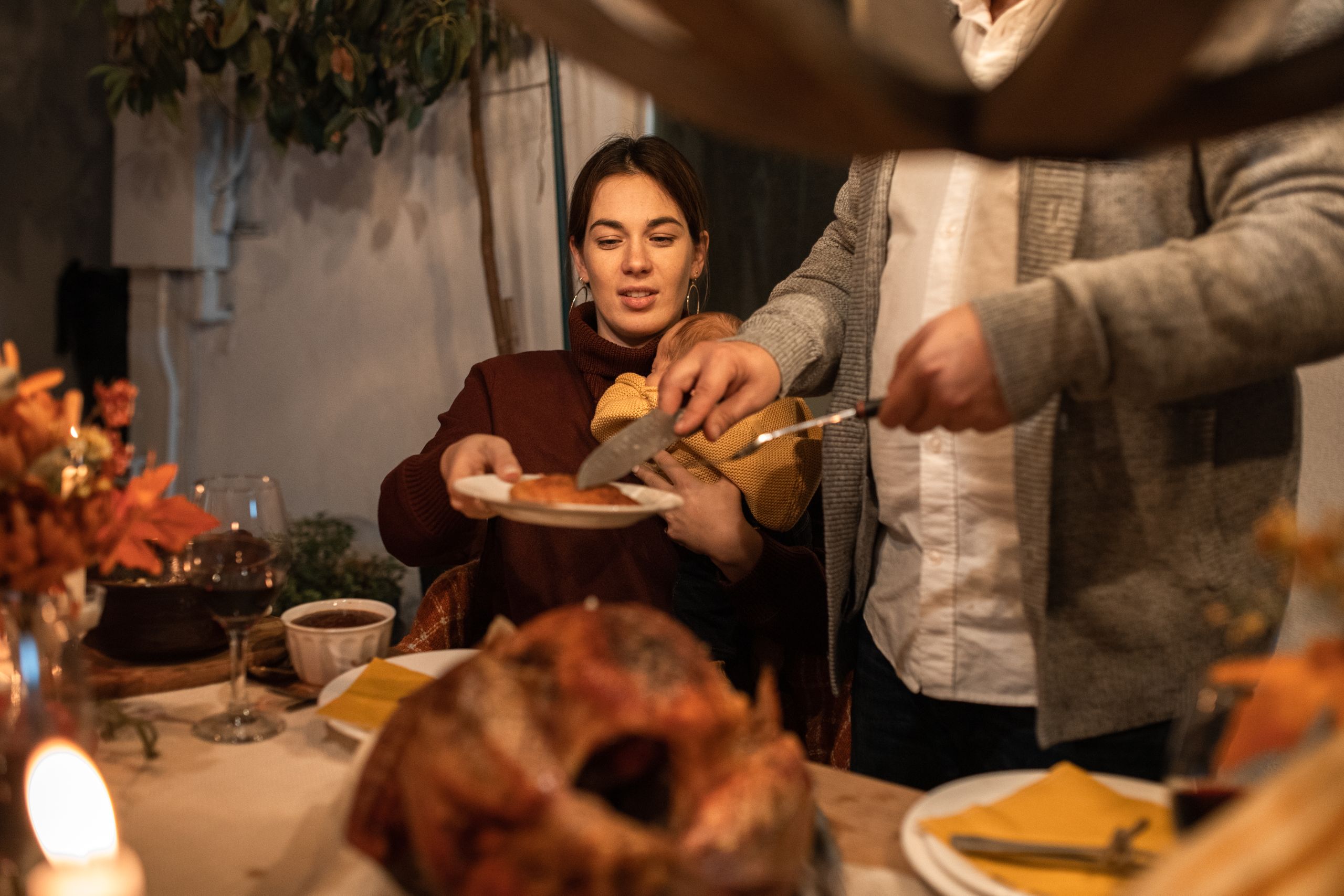
Years of Holiday Tables and Backyard Barbecues
The letter, which ran on ArcaMax under the title “Longtime Family Hosts Never Get To Be Guests”, lays out a long record of hospitality. The writer said she and her husband have worked to stay close to both sides of the family, sending the nieces and nephews generous birthday, holiday and graduation gifts.
She wrote that she, her husband and several of their siblings have hosted numerous parties and holiday gatherings, usually two or three times a year. Her own grown children have since started hosting holidays and backyard barbecues for the family as well. The nieces and nephews came to all of those events, she said, and sometimes asked to bring friends, who were always welcomed. Every family builds its own customs around the holiday table, and Frenz Hub’s roundup of odd American traditions is a reminder of how particular those habits can be.
Anyone who has cooked for a crowd knows what that kind of hosting involves: extra chairs, extra trips to the store, and a long night of dishes. CraftingYourHome.com’s list of things never to skip when hosting Thanksgiving gives a sense of how much goes into a single family meal, never mind two or three a year for decades.
The Invitations That Never Came Back
According to the letter, the nieces and nephews are now adults with professional jobs and homes of their own, but none has ever returned the invitation by inviting family to their homes.
Weddings had been the exception. When earlier nieces and nephews married, the writer said, all three generations of the family were invited. Wedding customs have been shifting for years, as CraftingYourHome.com’s look at American wedding traditions that have faded away shows. Then came this year. The final three, all now in their 40s, married without inviting anyone from the family. Photos of the celebrations were posted online, and the writer said it was clear only friends had attended.
She added that she and her sister-in-law, who have both hosted many family events, were hurt and surprised. The family was also told there were no plans for a family celebration of any size.
The same column ran in the Anchorage Daily News under the headline “Always the hosts, never the guests”, with the letter and reply matching the ArcaMax version.
The Host’s Real Question
What troubled the writer most was what came next. She said she does not want to stop hosting family get-togethers, but she now wonders whether the nieces and nephews only ever accepted out of obligation. She also wrote that she would feel uncomfortable hosting a family event and leaving them off the list, yet she does not want to misread the situation and cause a rift.
It is a familiar knot for anyone who has ever been the family’s default host. Old-fashioned manners held that guests return hospitality in some form, and Frenz Hub’s look at old-school etiquette rules that have disappeared shows how many of those unwritten expectations have faded. Its guide to being the perfect houseguest covers what hosts still hope for from the people at their table.
What Miss Manners Said
The column, written by Judith Martin, Nicholas Ivor Martin and Jacobina Martin, answered with a question of its own: does the writer want to keep inviting the nieces and nephews or not? Miss Manners called that the first question to settle.
The reply suggested the answer already seemed to be no, since the writer was building an explanation for leaving them out: that she was sparing them what she now realized had been an unpleasant duty. Miss Manners said that reasoning would not hold up. All the nieces and nephews would have to say is that they loved coming to the family events, and the writer would be left either admitting a mistake or confessing that she was hurt about the weddings.
If she wants to share her disappointment, the column said, she can do so gently. But if she simply recognizes that the family bond was not what she thought, and does not want to discuss it, Miss Manners advised leaving the invitations out and, if anyone asks, offering a short, polite apology.
Why the Wedding Snub Stung
Martin has written the Miss Manners column since 1978, and her Wikipedia biography notes that it has been carried in more than 200 newspapers. Questions about guests who never reciprocate turn up regularly, especially around the holidays, when one household often carries the cooking for everyone.
Weddings add another layer. The Emily Post Institute’s invitation etiquette guide notes that an invitation to a wedding or dinner party comes with obligations for the guest, starting with a prompt reply. A couple choosing a friends-only wedding is within their rights, but for relatives who have filled plates for them since childhood, being left out can feel like a door quietly closing.
For hosts weighing whether to scale back, the Emily Post Institute’s tips on outdoor entertaining suggest matching the invitation to the event, and an open-house cookout or backyard barbecue can be as casual as a text. That kind of easy, low-pressure gathering may be one way for the family to keep the grill going without anyone feeling obligated.
A Familiar Holiday Dilemma
The letter landed just ahead of Thanksgiving, when many family hosts are counting chairs and wondering who will show up. Miss Manners’ answer did not tell the writer to stop hosting or to confront anyone. It asked her to decide what she actually wants, and then either say so kindly or quietly adjust the guest list. For the family that always sets the table, that may be the hardest part.
This article was produced with AI assistance and edited for accuracy against the sources linked above.