Most pantries have a plan for canned soup, crackers and peanut butter. Far fewer have a plan for the one thing every one of those meals needs: water. When the tap goes quiet after a storm or a main break, the kitchen stops working fast.
Ready.gov, the federal preparedness site run by FEMA, puts a simple number on it: store at least 1 gallon of water per person per day, for several days, to cover drinking and sanitation. And any water that was not commercially bottled, such as tap water poured into a home container, should be replaced every 6 months.
1 Gallon per Person per Day, for Several Days
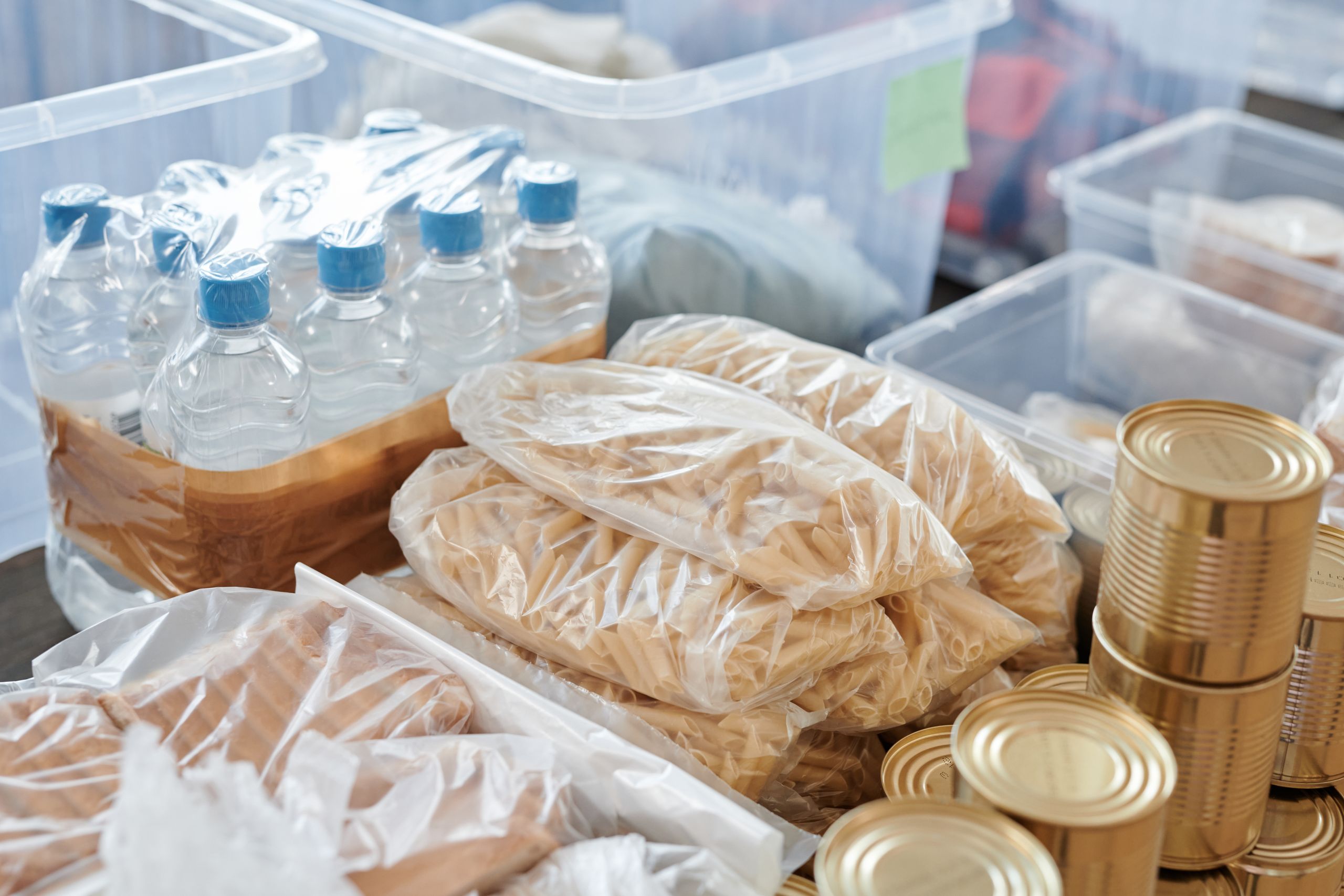
The Ready.gov water guidance counts 1 gallon per person per day and asks households to keep enough for several days. A family of four planning for three days would need 12 gallons. That gallon covers more than a glass at dinner: it also has to stretch to washing hands, rinsing a pot and mixing a powdered drink.
The same page notes that children and nursing mothers may need more, and that households in warm-weather climates may need more water as well. Ohio State University’s food safety program, in its summary of emergency water storage, repeats the 1-gallon rule for 3 days and suggests aiming for a 2-week supply if possible, with extra for pets.
The American Red Cross lands on the same two targets in its survival kit supply list: a 3-day supply of water for evacuation and a 2-week supply for staying at home. The Timeless Dishes rundown of the Red Cross kit checklist pairs that water with the shelf-stable foods that make up the rest of the kit.
Three days is a floor, not a goal, and CraftingYourHome.com’s look at why some say the 72-hour emergency plan falls short makes the case for planning further ahead. The math gets bigger quickly, which is why some households build the stash a case at a time. Setting aside a little each month works the same way for cash, and Frenz Hub’s guide to saving for an emergency fund walks through that slow-build approach on the money side.
Store-Bought Water Stays Sealed; Home-Filled Water Gets a 6-Month Clock
Ready.gov’s first choice is commercially bottled water, kept in its sealed original container in a cool, dark place. For those bottles, Ohio State’s guide says to go by the expiration date printed on the package. Water is usually stocked for the same outages that threaten the fridge, and CraftingYourHome.com’s breakdown of how long a fridge and freezer keep food safe without power covers that side.
Home-filled containers are different. Ready.gov says water that has not been commercially bottled should be replaced every 6 months, and Ohio State adds two habits that make that easy: label each container “drinking water” with the date it was filled, and keep it somewhere between 50°F and 70°F, away from direct sunlight and away from gasoline or pesticides.
Masking tape and a marker are all the system needs. Pairing the swap with something already on the calendar, like the switch to and from daylight saving time, keeps the 6-month change from slipping. Frenz Hub’s tips on seasonal storage and its roundup of kitchen organization ideas offer ways to find a cool, dark shelf for the jugs that will not be in the way every day.
A row of dated jugs on a basement shelf is an old-fashioned habit, the kind a grandparent who still drops slang from Frenz Hub’s list of words from the swinging ’60s would recognize.

Containers: Food-Grade, Then Sanitized With 1 Teaspoon of Bleach per Quart
For anyone filling containers at home, Ready.gov recommends buying food-grade water storage containers. Before filling, the containers should be sanitized with a solution of 1 teaspoon of unscented liquid household chlorine bleach per quart of water.
Ohio State’s guide adds that a bottle of unscented bleach is worth keeping on hand anyway, both for disinfecting water if needed and for general cleaning. Its label should list between 5% and 9% sodium hypochlorite. Scented, color-safe and bleach-with-cleaner products are not suitable.
The freezer can pull double duty, too. The FDA’s guide to food and water during power outages and floods suggests freezing containers of water ahead of time so they can keep food cold in the freezer, fridge or a cooler if the power goes out. The agency also says to keep a supply of bottled water stored where floodwater cannot reach it, and to throw out bottled water that has an odor.
If Stored Water Runs Out: 1/8 Teaspoon of Bleach per Gallon
When stored water runs low and the only water available is questionable, Ready.gov lists bleach as one way to make it usable. The page says to add 1/8 teaspoon of bleach per gallon of water, stir, and let it stand for 30 minutes. The water should have a slight chlorine smell. If it does not, the step is repeated with another 15-minute wait, and water that still has no chlorine smell should be thrown out.
The EPA’s emergency disinfection guide breaks the same idea into drops: 8 drops of 6% bleach or 6 drops of 8.25% bleach per gallon, doubled if the water is cloudy, colored or very cold. It also says cloudy water should settle and be filtered through a clean cloth or coffee filter first.
Boiling: A Rolling Boil for 1 Full Minute
Boiling is the other method Ready.gov names. Bring the water to a rolling boil for 1 full minute, keeping in mind that some of it will evaporate. The EPA adds that at altitudes above 5,000 feet, the boil should last 3 minutes, and the water should cool naturally before going into clean, covered containers.
Boiled water tends to taste flat. The EPA’s fix is a kitchen one: add a pinch of salt to each quart, or pour the water back and forth between two clean containers a few times to bring some air back in.
A Simple Pantry Routine
Put together, the Ready.gov numbers make an easy routine. Count heads and multiply by 1 gallon a day for at least 3 days, more for children, nursing mothers, pets and hot weather. Keep store-bought water sealed and in date. Date every home-filled jug and replace it every 6 months. Keep unscented bleach and a measuring spoon nearby, and know the 1-minute boil. A few jugs on a cool shelf today can keep the coffee pot, the soup pot and the dish sink going on the day the tap stops.
This article was produced with AI assistance and edited for accuracy against the sources linked above.