Victoria, who owns Pura Vida Coffee Bar in Baton Rouge, says she had two options when a local content creator walked up to her register. She could pour a drink and risk a third negative video, or turn the customer away and risk a different one. She picked the second.
Fabian, the customer, says she came in with a friend for an ordinary outing and left humiliated in front of a room full of strangers. Both women have since posted their versions on TikTok, and the accounts agree on very little beyond the fact that the refusal happened.
Three visits, two videos, one counter
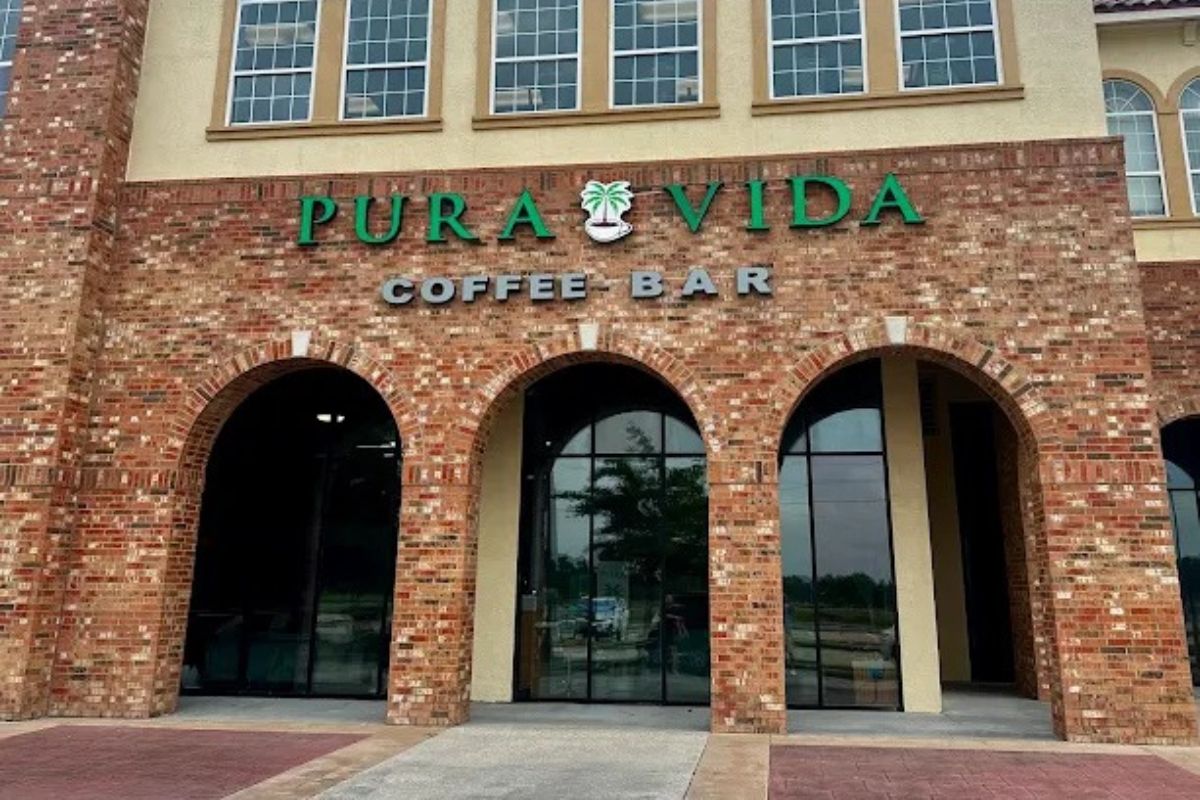
Victoria says Fabian has been inside her shop three times. On the first visit, she says, Fabian and a friend disliked their food and drinks, one of them a matcha, and never raised a complaint with staff. They posted a video afterward that Victoria describes as unnecessarily mean.
The second visit followed the same pattern, in Victoria’s telling: no complaint at the counter, then a video. Her main grievance is that the shop never got a chance to fix anything in person. Victoria’s response video, posted under @victoriaarroyo, lays out that timeline in her own words.
Her account of the third visit is short. She was working the register, recognized Fabian from her videos, and told her quietly and politely that she would not be serving her or her friend.
What the customer says she actually posted
Fabian’s version cuts against the idea that both videos were pure takedowns. In her own video, posted under @fabianbeaucoudrayy, she says the matcha on her second visit was really good, and that she said so in the second review. She also praised the sandwich.
Her complaint that round was about a side. She says she paid an extra $3 for potatoes and received three pieces, then told viewers that not everybody has $3 to throw away.
The stitched clips she shows complicate the picture. In one, a friend’s coffee is described in language far harsher than anything a shop owner would call constructive. In another, the potato count is five pieces, while her narration says three.
That discrepancy is small, but it matters in a dispute that turns on whether a review was honest or just cruel. It also shows how little separates a fair complaint from a viral one.
Two versions of the front-desk moment
Fabian says a staff member greeted her and her friend, then stared at her for a long stretch while the friend took about three minutes to decide on an order. Then came the refusal, which she says she assumed was a joke until it was repeated.
Victoria describes something much quieter: a calm, polite decline delivered at the register. Fabian says it happened in front of other customers and was truly embarrassing.
Neither side has offered footage of the exchange, so the tone of the moment rests on two accounts.
The review economy behind the standoff
Restaurants and cafés sit at the top of the review pile. BrightLocal’s 2018 Local Consumer Review Survey, drawn from a panel of 1,000 US consumers, found that consumers are most likely to read reviews for restaurants and cafés, for the sixth year running. The same survey found that 86% of consumers read reviews for local businesses at least occasionally.
Owners are not immune to the pressure that creates. BrightLocal’s 2019 edition put the average time a consumer spends reading reviews before deciding at 13 minutes and 45 seconds. Earlier research it published through Search Engine Land found that 42% of consumers said negative reviews make them not want to use a local business.
These are older figures, and none of them address social video specifically. Still, they explain why a small shop with a 4.8 rating treats a creator with an audience as a business risk rather than a casual diner.
Responses count too. The 2018 survey reported that 89% of consumers read business responses to reviews, and the 2019 survey put that figure at 97 percent among consumers who read reviews at all. Fabian made the same point from the customer side, saying a comped drink and a conversation would have earned a friendlier video.
The legal frame, and its limits
Nothing in either video suggests the refusal involved a protected characteristic, which is the usual line where service denials become legal problems. The dispute is about reviews, not identity, and most private businesses in the US keep wide latitude over whom they serve.
The Consumer Review Fairness Act of 2016 does address reviews. It targets form contracts that gag customers, and a walk-up refusal at a register is a different situation. The law shows where policymakers drew the line: a business cannot contract away honest reviews, though nothing in it obliges a shop to keep serving a critic.
Rating fallout and an uncomfortable trade-off
Victoria says the shop held a 4.8 Google rating before the video went up, and that it has since seen a wave of one-star reviews. She calls that fine, since everyone is entitled to an opinion, even one borrowed from someone else’s video. She has asked genuine customers to leave their own reviews to bring the number back up.
One-star reviews from people who never ordered a drink are exactly the kind of secondhand verdict Victoria says she was reacting to when she turned Fabian away. Meanwhile, a shop that refuses service to critics invites the question of what a rating is worth if complaints get you banned.
Victoria’s defenders have a strong counterpoint. A business owner is allowed to decide that a customer who uses profanity on camera about her product is no longer welcome, and her instinct to avoid a third video was a business judgment, not a crime. Fabian’s supporters have one too: a coffee shop that wants honest feedback cannot also punish it, and a quiet word at the counter after the second video would have cost less than a viral argument.
Victoria still says she is proud of the product and the community around the shop. She also says she does not believe everything on the menu is perfect, and that she would have liked the chance to hand someone a drink they enjoyed. She concluded that this would never happen with Fabian.
Fabian says the same chance existed on her side. Had the owner offered food on the house, she says, she would have made a video praising the shop instead.