For many families born after World War II, Sunday meant one long table, a good tablecloth and a kitchen that had been busy since morning. The smell of something slow in the oven told everyone in the house what kind of afternoon was coming.
Chowhound published a list of 14 classic foods boomers grew up eating for Sunday dinner on Nov. 14, 2026, written by Amanda Berkey. Seven of them are collected here: fried chicken, pot roast, meatloaf, roast chicken, spaghetti, collard greens and mashed potatoes, according to Chowhound.
The outlet defines boomers as people born between 1946 and 1964, a range that matches Wikipedia’s entry on baby boomers. Chowhound says Sunday dinner was usually served in the early afternoon, while many families were still in their Sunday best, and that in some homes the meal called for the good china kept in the dining room hutch. The mood has a lot in common with the retro charm of the slang and style of the swinging 60s.
The Slow Sunday Classics
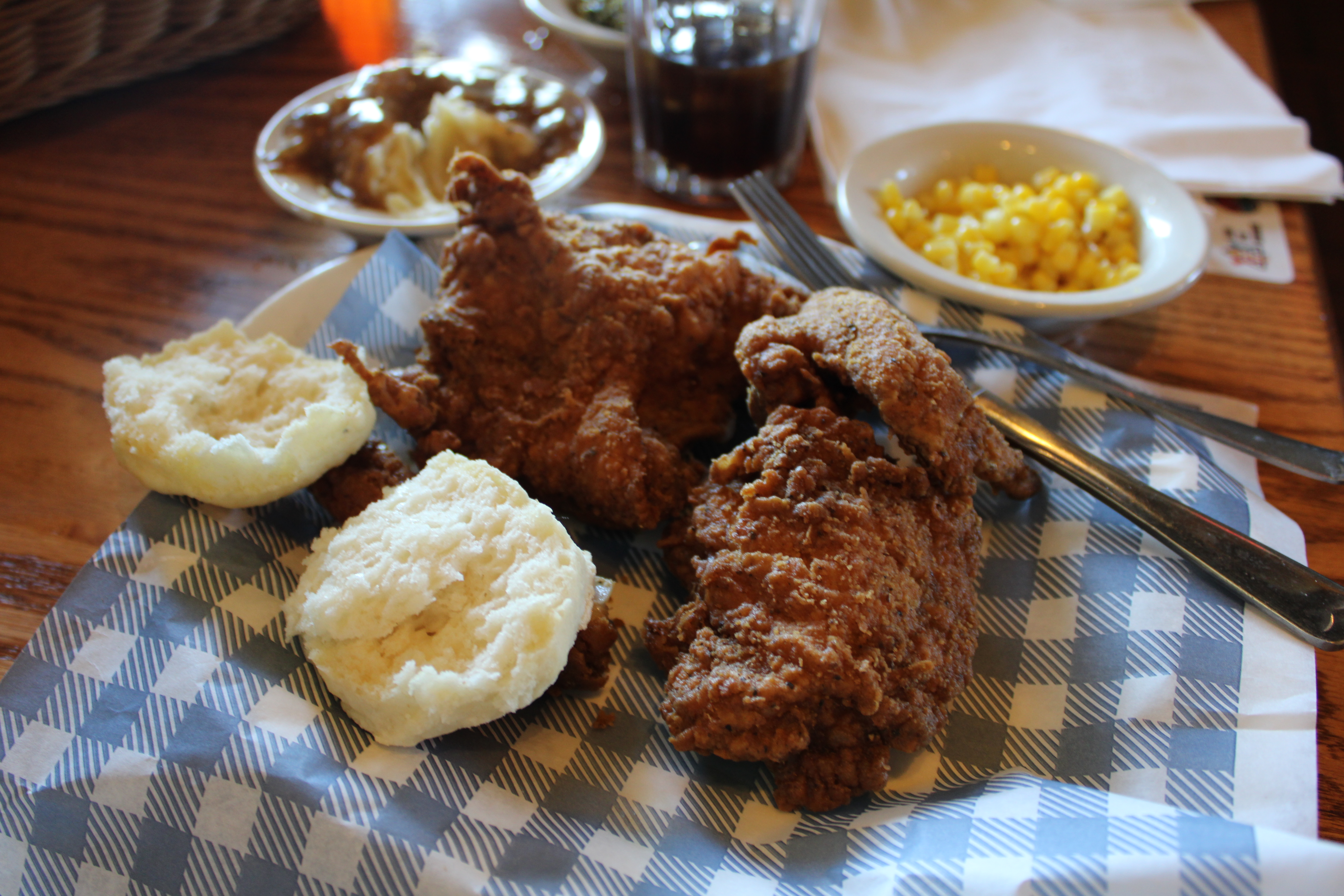
1. Fried chicken. Chowhound says many boomers remember fried chicken as a staple of the Sunday table, whether it was coated in crushed cornflakes or seasoned flour. Leftovers were sometimes chilled and eaten cold at picnics over the next few days, a detail that explains why a big batch made sense.
2. Pot roast. The list describes vegetables and tender beef cooked low and slow in the oven, which let home cooks go about their Sunday business and return to a table-ready dinner. Wikipedia’s pot roast entry defines the dish as beef slow-cooked in moist heat in a covered vessel on the stove, in an oven or in a slow cooker or pressure cooker.
3. Meatloaf. Chowhound says that for anyone raised by boomer parents, meatloaf was probably a standard in the dinner rotation, Sundays included. One tip from the list is to pan-fry cold slices before adding them to a sandwich the next day.

Chicken, Spaghetti and Greens
4. Roast chicken. Chowhound notes that the parents of boomers grew up when chicken was not an everyday meal, because it cost more than beef and counted as something of a luxury. By the 1950s, advances in poultry production had made it more affordable, but a roast chicken still held a special place on many Sunday tables.
5. Spaghetti. In Italian-American families, according to Chowhound, Sunday dinner often meant spaghetti and homemade bread. Large batches, often topped with Sunday sauce, called Sunday gravy in many families, made it easy to feed a crowd, and some boomers remember bringing friends home to eat it.
6. Collard greens. The list calls collard greens a long-standing staple with deep roots in African-American culture. They were typically slow-simmered and often served with cornbread, which soaks up the flavorful cooking liquid known as potlikker.
Anyone planning a retro Sunday dinner may enjoy a few mid-century holiday rituals that have faded, and a look at the things Gen X grew up doing shows how the next generation remembers its own tables.
Mashed Potatoes and the Sunday Table
7. Mashed potatoes. Chowhound says mashed potatoes were part of the lineup for special family meals decades ago, and that cooks who mashed by hand needed some serious elbow grease to reach a smooth, creamy texture. Wikipedia’s mashed potato entry describes the dish as boiled or steamed potatoes mashed with milk, butter, salt and pepper, usually served as a side to meat or vegetables.
The rest of the Chowhound list, which includes roast beef, lamb, pork roast, macaroni and meatballs, mac and cheese, potato salad and a light, airy baked side served in British-rooted households, shows how wide the Sunday menu could be depending on a family’s roots. The seven above are only half of the full list of 14.
Why Those Dinners Stuck
Many of these dishes were also thrifty. Tasting Table, in an undated piece on 1950s family dinners, says households typically ran on one income and relied on basic ingredients, and that casseroles and one-pot meals were made to feed many mouths with little waste. The same article says a single roast, whether chicken, pork or beef, could be stretched into several meals through the week as sandwiches and soup.
That thrift is part of why the old menu still appeals to home cooks watching the grocery bill, and a handful of clever frugal living tips lean on the same idea. A pot roast on Sunday that becomes sandwiches on Monday is exactly the kind of planning the 1950s cook practiced. Habits like these are part of a wider pattern of little rituals that disappeared without much notice as schedules changed.
Not every boomer table looked the same, and Chowhound says as much by listing Italian-American, Southern and British-influenced dishes side by side. A family’s Sunday dinner reflected where it came from, what the budget allowed and how much of the afternoon was free for cooking.
For anyone who wants to bring one back, the list is a simple guide. Fried chicken and pot roast reward patience, spaghetti with a long-simmered sauce feeds a crowd, and mashed potatoes remain the side that almost every table has in common. Prices and ingredients vary by store and region, so the shopping list is flexible even if the tradition is not.
Chowhound’s dated list, published on Nov. 14, 2026, and Tasting Table’s look at budget dinners together make the case that the Sunday meal was about more than food. It was a weekly pause, planned around the oven, with leftovers that carried into the week.
This article was produced with AI assistance and edited for accuracy against the sources linked above.
Image: Roundhere44 – CC0/Wikimedia Commons