Gravy is the dish that can go wrong in the last ten minutes before Thanksgiving dinner. The turkey is resting, the rolls are warm, and the pan of drippings on the stove has separated into a greasy slick, or turned into a thin, pale liquid that will not coat a spoon.
The good news is that a broken gravy usually comes back. Delish reported on Nov. 10, 2025, that a cornstarch slurry or a quick blend can bring a split gravy back together, and America’s Test Kitchen found that heating the broth before it meets a roux saves a few minutes but does not improve the finished gravy.

Fixing Gravy That Has Split
The Delish piece on five foolproof ways to rescue gravy was written by Taylor Ann Spencer and published on Nov. 10, 2025, a year before this Thanksgiving, and it also ran on AOL. A copy of the article on AOL describes a broken gravy as one with too much fat for the amount of liquid. The first fix is to whisk in more thickener, either a cornstarch slurry or Wondra flour, and whisk hard to bring the fat and liquid back together.
If whisking does not work, the article says to blend the gravy with a standing blender or a stick blender. It adds a caution: too much blending can over-aerate the gravy, which changes the texture and lightens the color. A short burst is the safer approach, and a taste test afterward shows whether the gravy needs a pinch more seasoning.
The separation is a version of a familiar kitchen problem. According to Wikipedia’s entry on emulsions, an emulsion is a mixture of two liquids that normally do not blend, such as oil and water. A gravy is a temporary emulsion of fat and liquid, which explains why vigorous whisking or a blender can bring it back together.
The Slurry Method
Delish describes the slurry as equal parts cornstarch and cold water, starting with 1 teaspoon of each, whisked until smooth and then stirred into the pot. The article says the gravy must be brought to a simmer after the thickener goes in, because the thickener does its work only when heated. Wondra, a fine, low-gluten, pre-cooked flour that dissolves into hot liquid without clumping, is the alternative the article names.
The same piece covers the other common mishaps. For lumps, the fix is to pour the gravy through a fine-mesh sieve, though the strained gravy will likely be thinner and may need more thickener. For gravy that is too thick, the article says to whisk in more broth and notes that water works but can dilute the flavor and wash out the color. For gravy that is too salty, it suggests whisking in a tablespoon of butter, because the fat coats the palate, with a little water as the last resort.

Where Gravy Comes From
Wikipedia’s gravy entry traces one of the earliest recorded mentions of gravy to the 14th-century English cookbook The Forme of Cury, and says the tradition arrived in North America with English immigrants and is central to Thanksgiving and Christmas meals. Brown gravy, it notes, is often thickened with a thin paste of water and either wheat flour or cornstarch, the same tools the rescue methods rely on.
A few preparations help on the big day. The kitchen checks before Thanksgiving dinner on Nov. 26 include making sure a fine-mesh sieve, a whisk and a stick blender are within reach. Hosts who need to free up burner space can also look at oven alternatives for Thanksgiving, and a short list of everyday kitchen helpers covers the basics.
Gravy is also part of the table’s long story. The first TV dinner began with 260 tons of leftover Thanksgiving turkey, and the American traditions that confuse the rest of the world include a holiday meal built around one very large bird with a boat of sauce beside it.
What the Broth Test Found
America’s Test Kitchen looked at a different question in a members’ how-to on broth temperature for gravy. The test made three gravies with a roux, a cooked paste of flour and fat, using broth that was gently simmering, at room temperature or cold. The three broths are described only as simmering, room temperature and cold, and the how-to carries no date.
The results were close. The warm broth shortened the cooking time by a few minutes, and the three gravies showed no discernible difference in quality. The conclusion on the page is that hot broth is quicker but does not make a better roux. It also advises adding the liquid gradually, whisking consistently and whisking out any lumps before adding more.
That finding takes some pressure off a busy kitchen. A cook who is short on time can use warm broth without worrying about the result, while a cook with a few spare minutes loses nothing by using broth straight from the refrigerator. The only firm rule the test supports is patience with the whisk.
Why a Roux Is the Backbone
According to Wikipedia’s roux article, the mixture is typically equal parts flour and fat by weight, cooked until a raw flour taste is no longer apparent and the desired color is reached. A white roux adds richness with little flavor, a blond roux has a nutty taste and a brown roux has the deepest flavor, though the article says a chocolate-colored roux has about one-fourth the thickening power of a white one by weight.
That detail explains a common surprise at the stove: a darker roux makes a thinner gravy for the same amount of flour. A cook who cooks the roux to a deep brown may need a bit more of it, or a splash of slurry at the end, to reach the right body.
With Thanksgiving on Nov. 26, 2026, a rescue plan is simple to keep on hand: a fine-mesh sieve for lumps, a cornstarch slurry or Wondra for thin or split gravy, extra broth for gravy that is too thick, a tablespoon of butter for gravy that is too salty and a stick blender as the last resort. Whisking gradually and keeping the simmer steady matters more than the temperature of the broth.
This article was produced with AI assistance and edited for accuracy against the sources linked above.
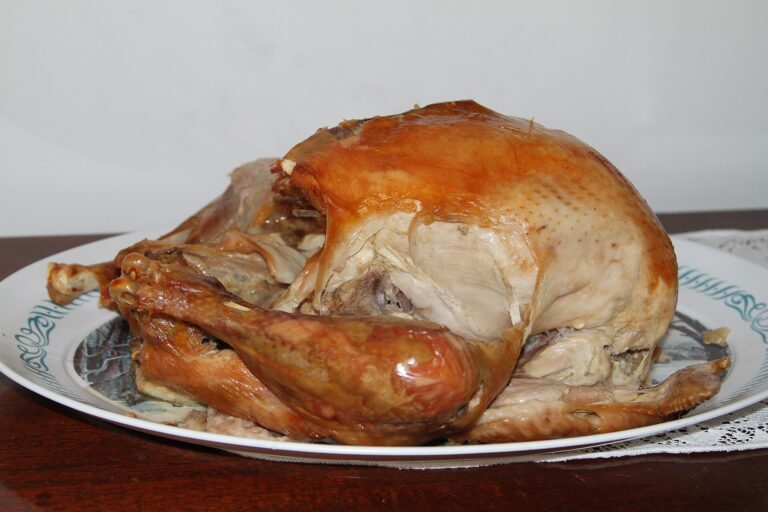
Image: Oskila – CC BY-SA 3.0/Wikimedia Commons