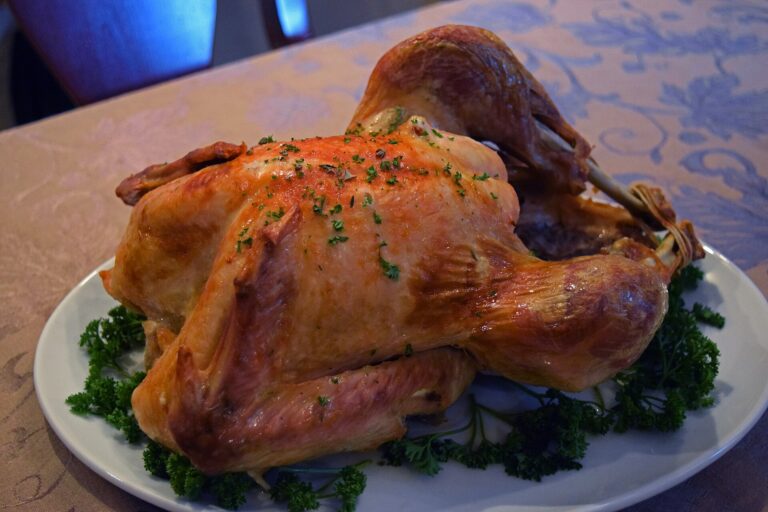
Every November, one household in an advice column opens its doors to about 20 relatives for Thanksgiving. The hosts cover most of the food and supplies, and they are fine with that. They run a bring-a-dish system, and it works well, with one exception: a relative who keeps arriving with a dessert that nobody eats.
The hosts wrote to Miss Manners, and the column ran Nov. 20, 2026. The answer, in short, is a “no dishes” policy: Miss Manners suggested the hosts declare a “don’t bring a dish” method this year and let everyone know the hosts plan to keep the leftovers. She warned that the fix will mean more work for the hosts.

What the hosts described
The letter, carried on Arcamax in the syndicated Miss Manners column by Judith Martin, Nicholas Ivor Martin and Jacobina Martin, lays out a pattern. The hosts had kindly asked the relative to bring something else, and the relative declined. The hosts had hoped the dessert would eventually be noticed as unpopular, but that did not seem to bother the relative.
After the meal, according to the letter, the relative takes home the uneaten dessert and says it will be a week of eating it alone. The relative also takes large amounts of other leftovers, adds nothing else food-wise, does not help with setup or cleaning, and is the first person to leave every year. The hosts did not want drama or hurt feelings, but called the behavior self-centered and asked for a polite and delicate way to handle it.
Miss Manners and the dessert math
Miss Manners saw the situation as a clever bit of bookkeeping. By the column’s account, the relative gets credit for bringing something while intending to eat all of it personally, and also gets free leftovers. The only solution she offered was to change the system itself, because a rule that applies to everyone does not single out one person.
That fits the way potlucks work in general. The Wikipedia entry on potlucks describes them as events where each attendee brings a dish to be shared, with the dish expected to be large enough for a good portion of the guests. In a system built on sharing, a dish that nobody touches and a guest who takes home more than was brought break the idea of reciprocity.
How a no-dishes year could work
Switching to a host-supplied meal changes the job for everyone. The hosts decide the menu, cook or buy every dish and decide what happens to the leftovers. Etiquette guidance from Emily Post’s party tips for hosts and guests says hosts should state in the invitation what guests are expected to bring, and it also advises keeping a fallback ready in case a dish, such as a dessert, goes wrong.
A simple message does the work: this year the hosts are handling all the food, and guests are welcome to bring themselves. Hosts who use it are not singling out the relative with the unpopular dessert. Emily Post’s advice for guests is to bring what the host requested, which makes a clear request the easiest standard to follow. Families that sort out these details early often avoid the arguments that show up in six things families quietly argue about at Thanksgiving dinner, where the menu is a regular source of friction. The unwritten rules around brought-in food are part of the American traditions that confuse the rest of the world, and a list of kitchen checks before Thanksgiving dinner on Nov. 26 helps hosts who take on the whole meal.
The leftovers question
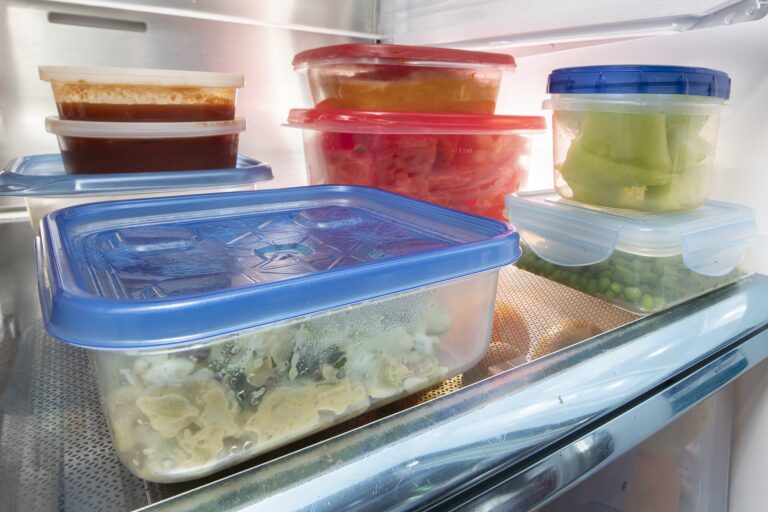
Miss Manners tied the policy to the leftovers, and that part has practical backing. Hosts who plan to keep the food need to handle it properly. The U.S. Department of Agriculture’s leftovers guidance says to refrigerate leftovers within 2 hours of cooking, to keep them in the refrigerator for 3 to 4 days and to reheat them to 165 degrees Fahrenheit as measured with a food thermometer. For a table of 20, that means containers and fridge space should be planned before the meal, and a few clever storage hacks can help.
Planning for a crowd also means thinking about the oven and the counters. A host who is cooking everything may want to compare countertop appliances that free up the oven, which keeps the main dishes on schedule.

Why the pie problem feels so familiar
Thanksgiving falls on the fourth Thursday of November, which this year is Nov. 26, as the Wikipedia entry on the American holiday explains. A holiday tied to one big shared meal tends to bring out ideas about who contributes what.
The column does not say the relative is a bad person, and neither does this account. The letter describes behavior the hosts find self-centered, and the advice avoids a confrontation altogether. That choice matches the hosts’ own wish not to cause unnecessary drama. Quiet rules that apply to everyone are easier to live with than a conversation aimed at one relative.
A short plan for hosts in the same spot
Hosts facing a similar situation can borrow a few steps from the column and the etiquette guidance. Decide what the table needs and say so ahead of time. Tell guests plainly that no dishes are needed, if that is the plan. Decide in advance what happens to the leftovers and say that too. Keep a backup dessert on hand, since Emily Post’s guide suggests having a fallback anyway. And line up helpers for cleanup, because the same guide says guests should offer specific help as the party winds down.
None of this needs a speech. A short note in the group chat or on the invitation covers it. Miss Manners’ answer comes down to the same thing: the hosts hold the rule, and the rule applies to everyone equally.
This article was produced with AI assistance and edited for accuracy against the sources linked above.
Image: Peggy Greb – Public domain/Wikimedia Commons