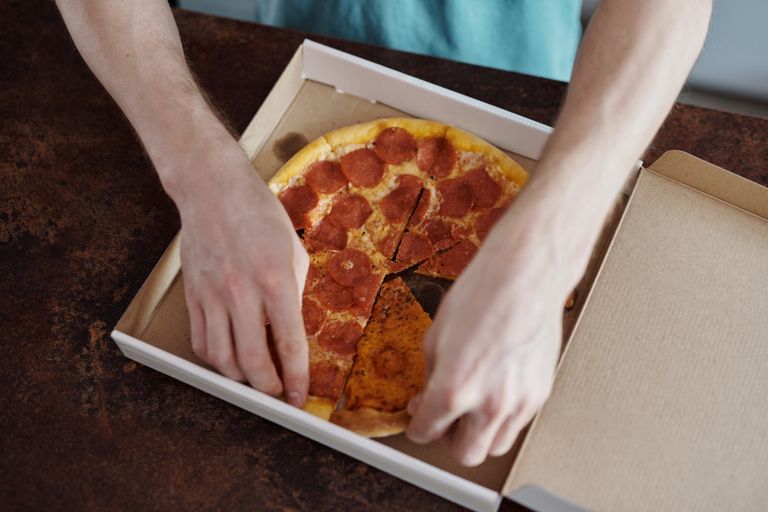
The pizza arrives, the doorbell chimes, and a hand holds out a phone with a tip screen already glowing. In that second, many customers wonder what number is actually right, and whether a pickup order at the counter calls for a tip at all.
The Emily Post Institute’s general tipping guide gives plain answers for food orders: takeout is optional, with 10% for big orders, delivery runs 10% to 15% of the bill, and pizza delivery is $2 to $5. Other experts agree in places and differ in others, so here is how each source compares, with dates.

Takeout: Optional, With 10% for Big Orders
The Emily Post Institute guide, which carries no date on the page, says a takeout tip is not required. It suggests considering 10% when the customer gets extra service, such as curbside delivery, or places a large, complicated order.
A Northwestern Mutual article by Genevieve Field, published Jan. 4, 2019, repeats the same idea, saying takeout is not required and crediting Emily Post experts with the 10% suggestion for large or complicated orders. That piece is more than seven years old, so it is best read as background. Households watching the food budget can also check what Thanksgiving dinner costs by state in 2026 or this list of items not worth buying at the grocery store.
Delivery: 10% to 15% From Emily Post
For food delivery, the Emily Post Institute says 10% to 15% of the bill. Northwestern Mutual is a little higher, saying 15% for a nearby order and 20% if the driver traveled farther. It adds that when a delivery surcharge appears on the receipt, the tip should be figured on the food subtotal, since the surcharge rarely reaches the driver, and that bad weather is a reason to tip more. Households trimming costs can look at this list of ways to save money fast and these frugal living tips.
Kiplinger, in an article by Emma Patch published Nov. 19, 2025, takes a flat-dollar view: tip at least $5 for groceries or takeout delivered to the door.
Pizza: $2 to $5
Pizza gets its own line in the Emily Post guide: $2 to $5, depending on the size of the order and how difficult the delivery was. The guide does not spell out examples, but a reasonable reading is that a single pizza on a short, easy drive sits near the low end, while a multi-box order or a hard delivery sits near the high end. A house hosting a game night can also compare outdoor options in this roundup of outdoor pizza ovens.

Counter and Takeout Prompts: Allowed to Skip
Digital tip screens have changed the moment. Kiplinger says prompts at food counters and on takeout orders often show suggestions up to 30%, and that etiquette experts say customers can decline. For those who want to tip at the counter, the article calls $1 to $2 a reasonable amount. It does not set a separate takeout figure.
Etiquette expert Diane Gottsman, quoted in a Nexstar Media Wire article by Michael Bartiromo published Oct. 3, 2021 on NewsNation, said to tip at least a few dollars on small takeout orders and up to about 20% on large or complicated ones. She noted that tipping above 20% is not a standard rule, but encouraged it for those who can afford it and want to give more. That article is from the pandemic period, so the numbers reflect that moment.
Sit-Down and Buffet Tipping for Comparison
The same Emily Post guide covers the dining room too: 15% to 20% before tax for sit-down wait service, 10% for buffet wait service, and $1 to $2 a drink or 15% to 20% of the tab for bartenders. Kiplinger says to tip at least 15% to 20% of the pretax total at a sit-down restaurant, even if service was poor, and to speak with a manager about complaints instead of withholding the tip. Wikipedia’s tipping entry notes that a tipped employee may be paid a direct federal wage of $2.13 per hour as long as wages plus tips reach the federal minimum wage, which is part of why tips matter to servers.
Where the Experts Agree and Differ
Emily Post, Northwestern Mutual and Kiplinger all regard a takeout tip as optional, while Gottsman suggests at least a few dollars, and the sources agree that big or complicated orders deserve more. They differ on delivery: 10% to 15% from Emily Post, 15% to 20% from Northwestern Mutual and a $5 floor from Kiplinger. The gap comes down to distance, weather and the size of the order.
A family planning a holiday week of delivered meals might budget for the higher figures, since a tip is simply one more line on the food bill.
The Emily Post figures come from an undated page, the Northwestern Mutual numbers are from 2019, the NewsNation quote is from 2021 and the Kiplinger article is from November 2025. A customer who wants the most current benchmark can use the Kiplinger flat-dollar floor for delivery and the Emily Post percentages as a cross-check, adjusting up for long distances, bad weather or large orders.
The simplest rule across all of them is to look at the effort involved. A quick pickup at the counter asks for little, while a long drive with several bags in the rain asks for more.
This article was produced with AI assistance and edited for accuracy against the sources linked above.