By Friday morning, the fridge looks like a game of Tetris: foil-wrapped turkey, a jar of gravy, a dish of stuffing and half a pie, all fighting for one shelf. The next question is always the same. How long can each of them stay?
The answer is not one number. University extension offices and federal food safety agencies list different refrigerator times for different foods: cooked turkey keeps 3 to 4 days, while gravy keeps 1 to 2. Here is how each Thanksgiving leftover compares, from the turkey to the last slice of pie, with the dates of the sources named, since Thanksgiving falls on Nov. 26 this year.

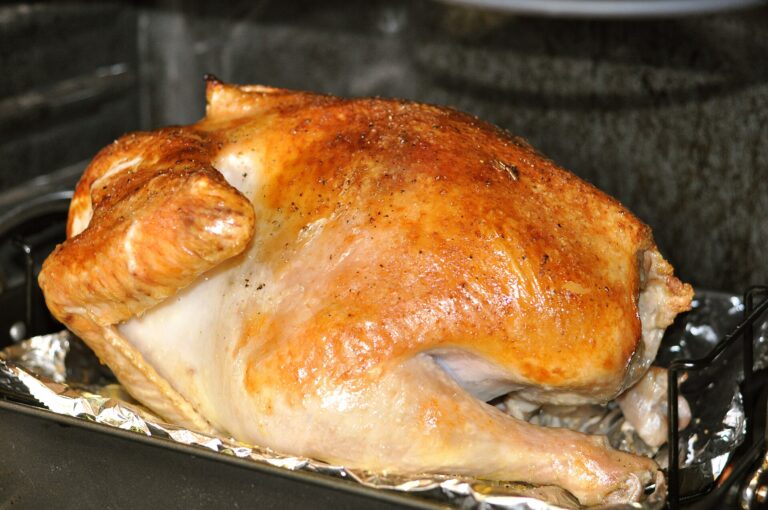
Turkey: 3 to 4 Days
The University of Illinois Extension’s page on storing turkey leftovers puts cooked turkey at 3 to 4 days in the refrigerator. A chart by Lisa Peterson of Illinois Extension, published Nov. 21, 2025, says roast turkey keeps up to 4 days. The University of Minnesota Extension lists cooked poultry dishes at 3 to 4 days, and the federal FoodSafety.gov chart gives the same 3 to 4 days for cooked meat or poultry.
The Illinois page adds a practical tip: when there is a lot of turkey, freeze some right away rather than waiting until day 4, because freezing fresh turkey preserves quality better. A host who wants more oven room for reheating later can compare options in this guide to freeing up the oven, and a list of kitchen checks before Thanksgiving dinner covers the prep stage. A post on holiday pace and everyday habits may help with the rest of the season.
Gravy: 1 to 2 Days
Gravy is the short-timer of the table. The Illinois turkey page lists gravy at 1 to 2 days, Illinois Extension’s 2025 chart lists giblet gravy at up to 2 days, and Minnesota Extension puts gravy and meat broth at 1 to 2 days. The Illinois chart also puts meat with sauce or gravy at up to 2 days, so a plate of turkey already smothered in gravy follows the shorter clock.
The USDA’s Food Safety and Inspection Service says to bring sauces, soups and gravies to a rolling boil when reheating them. A cook who plans a post-holiday pantry shelf can find more ideas in this list of refrigerator staples and a few clever storage hacks for making room.

Stuffing and Green Bean Casserole
Here the sources do not agree, so readers should know which one is being quoted. The Illinois Extension turkey page lists stuffing at 4 days and green bean casserole at 4 days, and says not to freeze the casserole. The Illinois Extension chart from Nov. 21, 2025, lists stuffing at up to 2 days. Neither FoodSafety.gov nor Minnesota Extension gives a stuffing time in the pages checked. When sources differ, the shorter number is the cautious choice, and the Food Safety and Inspection Service’s general rule for refrigerated leftovers is 3 to 4 days at most.
Stuffing remains the star of many tables; the craftingyourhome.com post on how stuffing is the favorite Thanksgiving side in 38 states shows how many households have a big pan to store.
Cranberry Sauce: 2 Weeks
Cranberry sauce has by far the longest window. Illinois Extension’s turkey page lists cranberry sauce at 2 weeks, and the 2025 chart specifies canned cranberry sauce at up to 2 weeks and homemade cranberry relish at up to 7 days. The difference between a can and a homemade batch is worth a label on the container.
Mashed Potatoes, Pies and Other Sides
The Illinois turkey page lists mashed potatoes and yams at 5 days, pumpkin pie at 4 days and apple pie at 3 days. The Illinois 2025 chart lists pumpkin pie at up to 4 days and fruit desserts or pie at up to 5 days, and cooked vegetables at up to 5 days. FoodSafety.gov lists pumpkin or pecan pie at 3 to 4 days after baking.
For a ham on the table, Minnesota Extension puts fully cooked whole or half ham at 7 days and fully cooked ham slices at 3 to 4 days, while the Illinois 2025 chart lists baked ham at up to 5 days. Soups fall in a similar range: the Illinois chart says up to 3 days, and Minnesota Extension and FoodSafety.gov say 3 to 4 days.
The Two-Hour Rule and Cooling Fast
Every one of those clocks assumes the food went into the refrigerator promptly. The Illinois page says to refrigerate leftovers within 2 hours after cooking is completed, and the Food Safety and Inspection Service says to discard perishable food left at room temperature longer than 2 hours, or 1 hour if the temperature is above 90 degrees Fahrenheit. The agency also advises dividing large amounts into shallow containers, cutting big roasts, hams or turkey into smaller pieces, and wrapping food in airtight packaging.
The same agency says frozen leftovers can be kept 3 to 4 months, and that reheated food should reach 165 degrees Fahrenheit.
One habit helps with all of these clocks: write the cook date on a piece of tape. Counting days from Nov. 26, turkey packed that night is at its 3 to 4 day mark by Nov. 29 or 30, while gravy is on its last day by Nov. 28.
Because the sources are not identical, a label that names the food and the date it was cooked is the simplest way to keep the shelf honest, and anything that has passed the shortest listed time for its type is the first to be eaten or frozen.
This article was produced with AI assistance and edited for accuracy against the sources linked above.
Image: USDAgov – Public domain/Wikimedia Commons