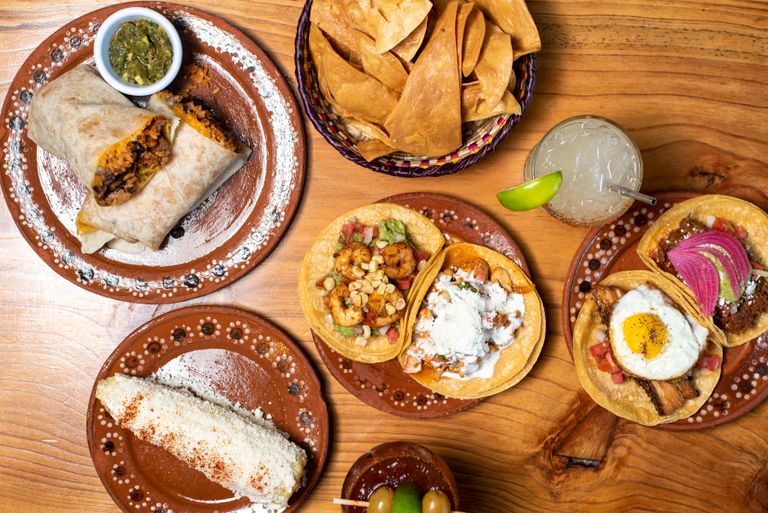
A table of four orders one dish each, waits for the first plate to land, and then wonders where the others are. Within minutes, a waiter in an Indian restaurant has set everything down at once, and the group has eaten the first dish alone.
Islands, a travel outlet, ran a piece on July 13, 2026 by writer Christine Pickering, listing 5 restaurant rules that American tourists tend to break in India: order everything at once because dishes usually arrive together, tear naan instead of cutting it, keep the left hand off the food, serve from shared bowls rather than another diner’s plate, and check with the group before ordering meat. The outlet describes customs as it found them, and regional habits vary widely.

Dishes Usually Arrive Together, So Orders Go In at Once
Islands says it is customary to order everything at once, because Indian restaurant dishes usually arrive together rather than in courses. Ordering more later is not rude, the piece says, only unusual.
The habit fits how many meals are built. Wikipedia’s overview of Indian cuisine describes it as a set of regional cuisines rather than one single style, with meals commonly built around a grain, pulses, vegetables and spices. In western India, the same overview notes, sweets and main dishes may be served together on a thali.
Wikipedia’s page on the thali says the word means “plate” or “tray” in Hindi, that rice or roti usually sits in the center with side dishes in small bowls called katori around the edge, and that restaurants often offer vegetarian or meat-based versions. A table of dishes arriving together is the idea of the format.
Naan Is Torn, Not Cut, and Knives Stay Down
Flatbreads are meant to be handled. According to Islands, knives are not needed, and bread such as naan should not be cut. Diners tear off a piece and use it to scoop up curry.
Wikipedia’s entry on naan backs up the tearing: it says diners tear the bread to scoop sauces, stews and curries, and that it is often brushed with ghee or butter and served warm. The page also explains that the dough is pressed against the inner wall of a tandoor, an oven that can reach about 900 degrees Fahrenheit, and bakes in minutes.

A rundown of laws and rules about food in other countries shows how many places handle the hands, the bread and the shared plate as matters of manners rather than convenience, and a piece on common dining etiquette mistakes covers some of the same ground for diners at home. A list of travel blunders that turn a vacation into a stress fest adds the trip-planning side.
Etiquette stories also turn up at home, such as a recent account of a diner who found an 18% gratuity added to a dinner for five, and a look at traits of people who always order the same thing at a restaurant.
A restaurant meal in a place where bread is the utensil is a useful reset for diners who reach for a fork out of habit.
The Left Hand Stays Off the Food
Islands states that diners eating by hand use the right hand only, since the left is traditionally kept for personal care. The piece quotes a line that “the right hand reigns supreme,” and adds that washing hands before eating is expected.
A second travel outlet, Explore, says much the same in a February 2025 piece by Robert Isenberg: right hand only, hands washed first, and pieces of roti used as a scoop for rice and vegetables. See its India dining etiquette guide for the full list.
The rule also covers serving. For a diner used to forks, keeping the left hand in the lap or on the table is a small adjustment that shows attention to the custom.
Shared Dishes Are Served From the Bowl, Not Taken From a Plate
Islands advises against taking food off someone else’s plate. Shared dishes are meant to be served from communal bowls and platters, the piece says, so a diner who wants a taste asks for the dish to be passed and uses the serving spoon. The line it offers is: “Just don’t pick it off someone else’s plate.”
Vegetarian and non-vegetarian dishes are a second point of care. Islands notes that many restaurants serve them separately, and that many diners abstain from meat for religious reasons, so the piece suggests checking with the group before ordering meat dishes and keeping serving spoons separate.
Wikipedia’s Indian cuisine overview supports the context: it says vegetarianism is widespread across India, that Jains are strict lacto-vegetarians who avoid root vegetables such as potatoes and carrots, and that Vaishnavites avoid garlic and onions. A group that shares a table may therefore include people who follow very different food customs, and a quick question is polite.
Leftovers and Spills Count as Part of the Meal
The fifth rule is about the end of the meal. Islands says food is seen as a blessing, so leftovers can be read as wasteful and as disrespect for the cook. The advice is to take only what can be finished, wipe small spills with a tissue and tell staff about larger ones. A leadership trainer quoted in the piece, Sanjeev Datta, says to avoid walking away from small spills and sauce drips and leaving the table sticky.
The ordering habit connects back to that. A table that orders everything at once can judge the amount better than one that adds plates later, and a shared meal makes it easier to finish what is on the table.
None of the 5 rules is a test. The piece frames the list as habits worth knowing for visitors. Regional and family customs differ across the country, as the Wikipedia overview stresses, so a table that does it differently is not wrong, only different.
This article was produced with AI assistance and edited for accuracy against the sources linked above.