A paper sack of stone-ground cornmeal comes home from a mill shop on a fall road trip, gets used once for a skillet of cornbread, and then disappears behind the flour. By the week of the stuffing recipe, no one can say how old it is.
Bob’s Red Mill, the whole grain miller, gives a clear answer for ground whole grain products. In its guide to how long whole grains last, whole grain flours and meals typically stay fresh for 1 to 3 months in a cool, dark, dry pantry, and the freezer extends that to 2 to 6 months, while intact grains keep a year or more.

The 1 to 3 Month Pantry Window for Ground Meals
The company’s wording is specific: when whole grain flours and meals are kept in a cool, dark, dry place, they “typically remain fresh for 1- 3 months.” Cornmeal that is ground from the whole kernel belongs in that group, along with whole wheat flour and other ground whole grains.
The reason is in the definition. Wikipedia’s whole grain entry describes a whole grain as one that contains the endosperm, germ and bran, and lists maize among the cereals. A ground meal that keeps those parts is more perishable than a refined one.
That is what Wikipedia’s cornmeal article says about stone-ground cornmeal, which retains some of the hull and germ. The page calls it more perishable than the steel-ground kind and says refrigeration extends its storage life.
The Freezer Stretches It to 2 to 6 Months
Bob’s Red Mill says that if whole grain flours and meals are kept in the freezer, their shelf life “can extend to 2-6 months.” The jump from 1 to 3 months in the pantry is the case for clearing freezer space before a bag of cornmeal goes in.
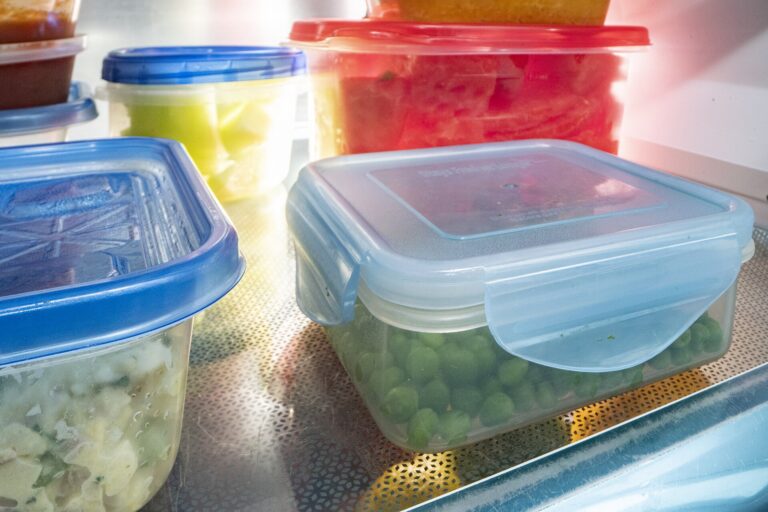
The company also gives container advice that applies at either temperature: an airtight container with a tight-fitting lid. As long as the seal is strong, it says, the container can be glass, plastic or aluminum, and the grain should stay away from heat, air and moisture.
A home cook who has ever loaded a freezer in a hurry for the holidays will appreciate a guide on how to freeze fresh green beans to enjoy all year, which offers a vegetable-side take on freezer storage.
Holiday baking also crowds the oven, and a Thanksgiving comparison of countertop ovens that free up the main oven may help the cornbread get a turn. The AAA forecast of 81.5 million Thanksgiving travelers suggests plenty of kitchens will be running on a tight schedule this week, and a short list of 6 items that should not be displayed on a kitchen counter is a good prompt to clear the surfaces before the rush.

Why Intact Grains Keep a Year or More
Whole kernels have a long head start. Bob’s Red Mill says that when intact whole grains are stored correctly in an airtight container, they last at least 6 months, with most having a shelf life of 1 year or more, whether they sit in a dry, cool pantry, the refrigerator or the freezer.
The company ties the difference to grinding: the shelf life of intact grains like brown rice and quinoa is significantly longer than that of ground grains.
The takeaway for a shopper is that a sealed bag of whole grain corn products and a bag of loose meal sit on different clocks, even when both came from the same mill shop. Kitchen gear has its own history of change, as a piece on forgotten household items from the past shows.
What Ohio State’s 12-Month Cornmeal Line Means
The numbers look like they conflict, because Ohio State University Extension’s pantry chart lists cornmeal at 12 months at 70°F. Bob’s Red Mill says 1 to 3 months for whole grain meals. Both can be right.
Wikipedia’s cornmeal page explains the split. Steel-ground yellow cornmeal, the common American supermarket type, has the husk and germ almost entirely removed and stays fresh about a year in an airtight container in a cool, dry place. Stone-ground cornmeal keeps part of the germ and is more perishable.
The simple rule for the pantry is to read the bag. A package that says stone-ground or whole grain follows the shorter clock, and a standard degerminated supermarket cornmeal is closer to the chart’s 12 months.
Ohio State’s chart assumes a 70°F cabinet, so its numbers describe a room-temperature pantry.
Cornbread Week on a Tight Schedule
The timing matters this month. Thanksgiving falls on Nov. 26, and Wikipedia’s cornbread entry says cornbread crumbs go into some poultry stuffing, with cornbread stuffing especially linked to the holiday turkey.
The same entry traces cornbread to Native American cuisine and says it became a Southern staple partly because heat and humidity made wheat hard to keep. Traditional Southern versions use little or no sugar and little or no flour, typically with white cornmeal and buttermilk, while Northern cornbread is generally sweeter and more cake-like.
A cook planning stuffing can run through a short checklist. Check the bag for stone-ground or whole grain, count how many months it has sat open, and move it to the freezer if a long gap is expected before baking.
Whatever the bag says, the two facts worth writing on the front in marker are the month it was opened and the month it should be used by. Bob’s Red Mill’s 1 to 3 months for pantry storage and 2 to 6 months for the freezer give the math, and an airtight container kept away from heat, air and moisture does the rest.
This article was produced with AI assistance and edited for accuracy against the sources linked above.