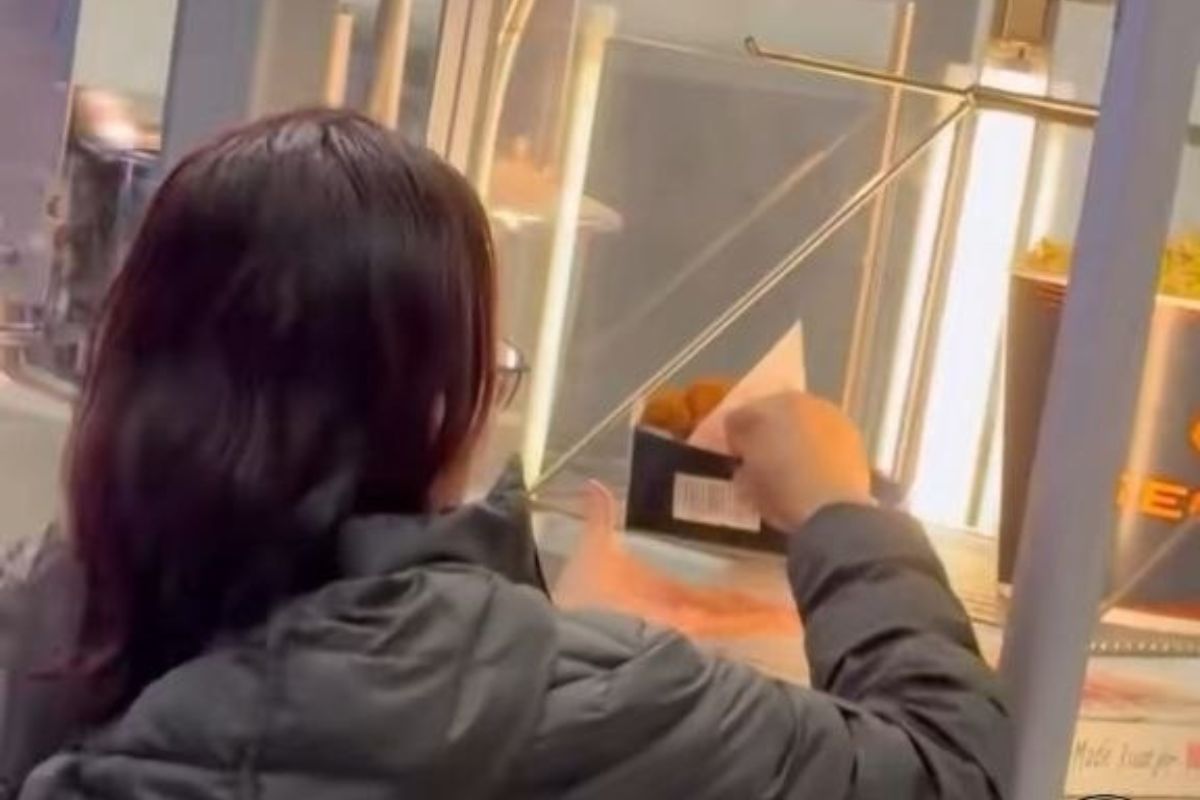
A woman described as diabetic says she waited more than 25 minutes for food ordered through the Regal Cinemas app, then went behind the concession counter to retrieve it after employees allegedly failed to help her. A supervisor became involved afterward, according to a TikTok video posted by @s4dnaloneon.
The detail that gives the incident its sting is the reported visibility of the order: the food was allegedly sitting where the customer could see it while she waited for someone to hand it over. For someone who used an app to avoid a delay, watching an order sit on the counter is a particularly frustrating breakdown.
Regal’s own process depends on a clear handoff
Regal promotes advance concession ordering as a way to save time. Its official instructions tell app users to select a theater, choose concessions, open the purchase after arriving, and tap Start My Order. Customers are then told to confirm they are at the theater, wait for a text saying the order is ready, and collect it at the designated pickup location. Regal also advises customers to start preparation when they reach the parking lot.
The system depends on a handoff between the app and counter employees. Staff still have to prepare the food, identify the order, and make it available. If nobody acknowledges a customer whose order is ready, the app’s promised convenience disappears at the final step.
The account does not say whether the customer received Regal’s ready text or activated the preparation step.
Mobile ordering has made speed part of the bargain
An Ipsos study released in August 2026 found that 74% of surveyed quick-service restaurant customers had used a restaurant’s mobile app to order ahead. The research drew on 1,700 U.S. consumers who had visited a quick-service restaurant in the previous 30 days, alongside about 2,700 mystery-shop visits across 40 restaurant brands.
Customers placed the greatest importance on order accuracy, food quality comparable to an in-store purchase, and receiving food at the correct temperature. Convenience and time savings also ranked among their leading priorities. The study covers quick-service restaurants, not movie theaters, so it cannot establish how Regal customers behave. It does show why fulfillment matters to the value customers expect from mobile ordering.
Ipsos reached a related finding in its 2025 study of 40 quick-service and fast-casual chains. It surveyed 1,700 U.S. adults who had used a restaurant app in the previous month and conducted 2,891 mystery-shop assessments. Participants cited saving time and skipping the in-store line among the reasons they returned to mobile ordering. A preorder followed by a 25-minute counter wait defeats the convenience customers are seeking.
The numbers point to weaknesses in digital service
The American Customer Satisfaction Index’s 2025 restaurant study found that mobile app quality at full-service restaurants fell six points to 80 on its 100-point scale. App reliability dropped eight points to 78, while order accuracy scored 88. Customers can be more satisfied with the order itself than with the digital experience used to place it.
Those figures cover restaurants, not theater concessions, and they do not measure Regal. They illustrate a problem for businesses that take orders digitally: customers judge the company on whether the food is delivered without confusion. A smooth checkout screen cannot fix a disorganized pickup. The ACSI 2025 restaurant report documents the gap between order accuracy and weaker app performance.
For a moviegoer, the wait takes place within a time-limited outing. The customer has selected a showtime and may be trying to collect food before entering the auditorium. The video summary does not establish that she missed any part of the movie, so that outcome should not be assumed. The reason to preorder is straightforward: customers expect the choice and payment to be handled before they reach the counter.
Going behind the counter shifts attention from the original problem
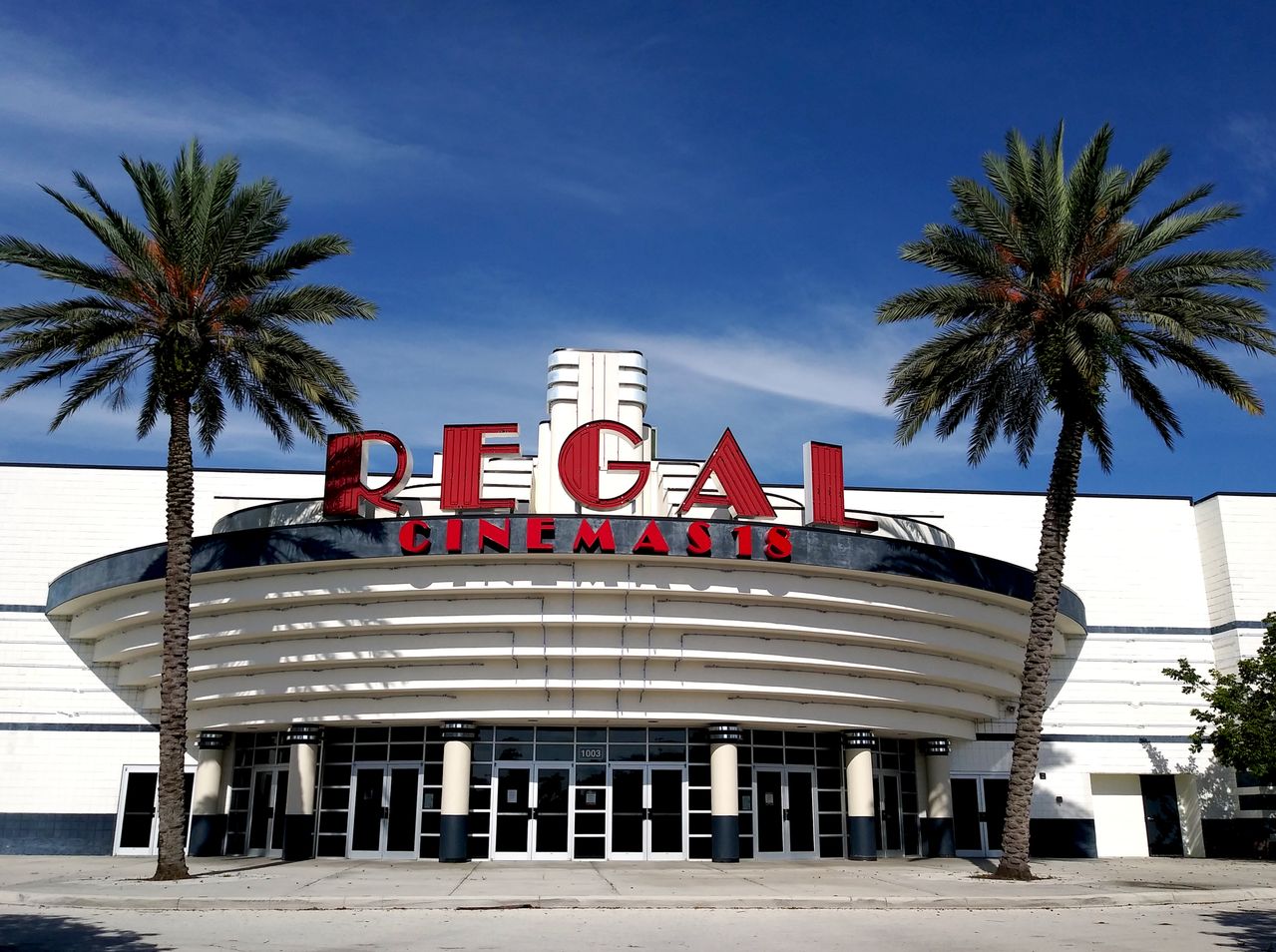
Walking behind a concession counter is an unusual way to collect an order, and a supervisor may have reasons to stop a customer from entering a staff area. The summary does not provide enough detail to assess the theater’s rules or the supervisor’s response.
Focusing only on the customer crossing the counter, however, leaves out the sequence that reportedly led her there. If someone has waited more than 25 minutes, can see the order, and says employees have ignored requests for help, the business has a service problem to address before the situation becomes a confrontation. A status check or clear explanation could have dealt with the complaint.
The account identifies the woman as diabetic and says she was hungry. It offers no basis for claims about her blood sugar or the delay’s effect on her health. Her complaint is that she ordered ahead and could not get food that was reportedly waiting.
Regal’s published process is straightforward: start the order, receive a readiness notification, and collect it from the designated area. The TikTok account raises a question about what happens when that exchange breaks down and a customer cannot get an employee to respond. The full circumstances remain unconfirmed; businesses offering mobile preorders still have to complete the last step in person.