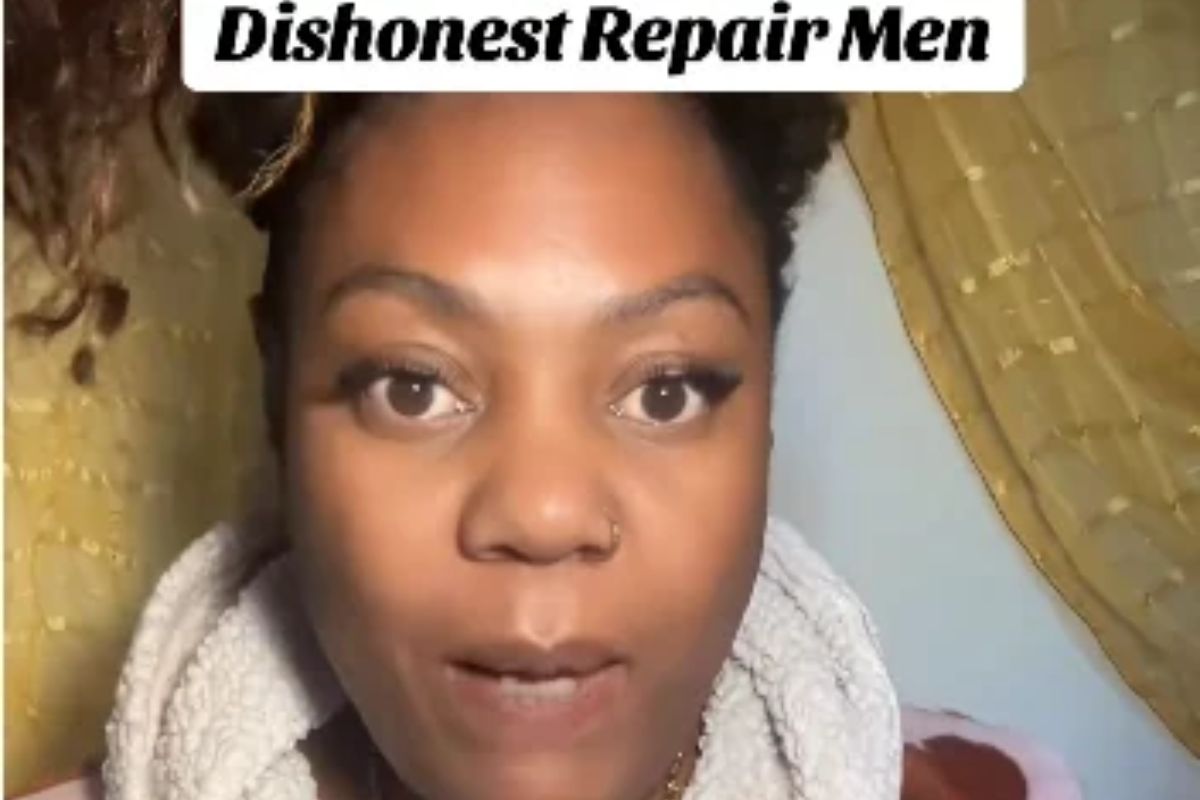
A woman behind the TikTok account @imintheladiesroom’s TikTok video argues that female customers can enter repair transactions with less power. In her video, she alleges some repairmen see women as easy money, overcharging them, recommending unnecessary work or leaving problems that require another visit. She says she plans to share her experience and receipts; the supplied transcript does not include them.
Research on auto-repair pricing gives the accusation a wider context: studies have tested whether shops quote differently when customers appear uninformed.
Research has found a gender gap in repair quotes
A 2017 study in the Journal of Marketing Research by Meghan R. Busse, Ayelet Israeli and Florian Zettelmeyer examined how auto-repair shops responded to callers requesting price quotes. Women received higher quotes than men when they signaled that they were uninformed about market prices. The difference disappeared when callers mentioned a benchmark price, and women were more likely than men to receive a concession after asking for one.
The result points to a specific vulnerability: customers who appear unsure of the going rate may receive a different offer. A shop does not need to question a woman’s knowledge openly for the transaction to become unequal; the quote itself can reveal how the seller assesses the customer.
Consumer Reports documented a related pattern in a 2012 survey covering more than 67,000 service reports from independent mechanics and 101,000 dealership visits. Among female respondents who had stopped using a repair shop, 30% said they felt staff had tried to take advantage of them because of their gender. The finding does not prove every complaint involved deliberate overcharging, but it records women connecting poor treatment with gender.
A small price difference can still expose a larger problem
A separate U.S. auto-repair field experiment described in a 2023 Banco de España working paper found that women received quotes about 2% higher than men, a difference of more than $10. Researcher Margarita Machelett also found that the gap narrowed when women signaled they were comparing options and fell as the number of nearby repair shops increased.
Ten dollars may sound minor on one invoice. Repeated across repairs and years, modest price differences can add to household costs. The study does not show that every shop charges women more, and its findings concern auto-repair quotes rather than every handyman, appliance technician or home contractor. It does show that gender-related pricing differences have been measured in a U.S. service market.
Customers often have to judge work they cannot easily inspect
The creator’s complaint reaches beyond the first quote. She describes alleged underperformance, additional damage and customers being called back for further service. The transcript does not include records needed to verify those claims, but the concern highlights a difficult feature of repair work: customers often have to assess a technical diagnosis before judging the quality of the job.
A driver may know that a warning light appeared or that a vehicle began making a noise. The mechanic has the tools and training to identify the cause. That knowledge gap places a responsibility on the technician to explain the diagnosis clearly. A dishonest operator could use the customer’s uncertainty to push work that has not been adequately explained.
Urgency can make the imbalance harder to challenge. A homeowner dealing with a broken appliance or a driver who needs a car for work may have little time to compare prices or seek another opinion. A woman who feels dismissed during one repair appointment may carry that distrust into the next.
The FTC says repair details should be documented
The Federal Trade Commission advises consumers arranging auto repairs to request a written estimate identifying the condition, required parts and anticipated labor charge. The estimate should also state that the shop will seek approval before doing work above an agreed amount of time or money, where state law requires it. After the work, customers should obtain a repair order listing the repairs, parts, individual costs and labor charges.
The agency also recommends comparing shops and seeking a second opinion for expensive or complicated repairs. Its guidance applies to auto repair, and state requirements vary. Written records cannot guarantee fair treatment, but they can establish what the shop proposed, what the customer approved and what was ultimately billed.
The accusation needs receipts, and the industry needs accountability
The supplied transcript does not identify a repair shop, technician, service date, invoice or disputed amount. It also does not include the receipts the creator says she intends to share. Those details are necessary to evaluate the individual incident and determine whether a specific business acted improperly.
The research gives her wider concern a credible basis in auto repair. It does not justify treating all male technicians as dishonest or assuming every woman has been overcharged. It does make women’s concerns harder to dismiss as mere suspicion when controlled pricing experiments have found gender differences under certain conditions.
Repair businesses depend on customers believing diagnoses are honest and final bills reflect work performed. When women feel they need to bring a male relative to be taken seriously, or research every possible repair just to receive a fair quote, the trust problem reaches beyond one transaction. Customers should not have to become amateur mechanics to expect straightforward service.
The most useful evidence in the creator’s case would be the original estimate, revised charges, final invoice, messages approving additional work and records showing what was repaired. Those documents can distinguish a bad experience from a provable pattern of misconduct and give customers something stronger than a viral accusation when challenging a repair bill.